
how to diagnose car bad ignition coil symptoms usually comes down to separating a true ignition problem from fuel, air, or sensor issues, then confirming it with a couple of quick checks before you spend money on parts.
If your car shakes at idle, stumbles on acceleration, or flashes the check engine light, it’s easy to blame the ignition coil and be wrong. Misfires can look the same whether the root cause is a spark issue, a vacuum leak, a clogged injector, or even a weak battery. That’s why a structured diagnosis saves time.
This guide walks you through what an ignition coil does, the most common coil failure symptoms, a practical self-check list, and a few test methods that fit both DIY and “I just want a clear answer” owners. I’ll also flag the moments when it’s smarter to stop and hand it to a shop.
What an ignition coil does, and why it fails in real life
An ignition coil is basically a voltage step-up transformer. It takes low-voltage power from the battery/charging system and creates high voltage so the spark plug can ignite the air-fuel mix. Many newer engines use coil-on-plug units, one per cylinder, which makes failures more isolated but also more common per vehicle lifespan.
Coils tend to fail for boring reasons: heat cycling, vibration, moisture intrusion, and worn spark plugs that force the coil to work harder. Oil in the plug well from a leaking valve cover gasket is another classic, the coil boot gets contaminated and spark energy finds an easier path than the plug gap.
According to NHTSA, a flashing malfunction indicator lamp often indicates an active misfire that can damage the catalytic converter, which is why you should take “flashing CEL + shaking engine” seriously and avoid extended driving if possible.
Bad ignition coil symptoms you can feel, hear, or smell
Some symptoms point toward ignition, but none prove it by themselves. Here are the patterns that, in many cases, line up with coil trouble.
- Rough idle: the engine feels uneven, sometimes worse when warm.
- Hesitation under load: you press the gas and it bogs, especially climbing a hill or merging.
- Misfire sensation: a “stutter” or rhythmic shake, often more noticeable at low RPM.
- Flashing check engine light: often paired with a strong misfire event.
- Reduced fuel economy: unburned fuel from misfires wastes gas.
- Fuel smell from exhaust: can happen if a cylinder isn’t burning consistently.
- Hard start: not always a coil, but weak spark can show up as longer cranking.
One nuance people miss: a coil can be “intermittent.” The car runs fine cold, then misfires after 10–20 minutes when under-hood heat rises. That heat-soak pattern is a strong hint, though it still needs confirmation.
Misfire codes and what they usually mean (quick table)
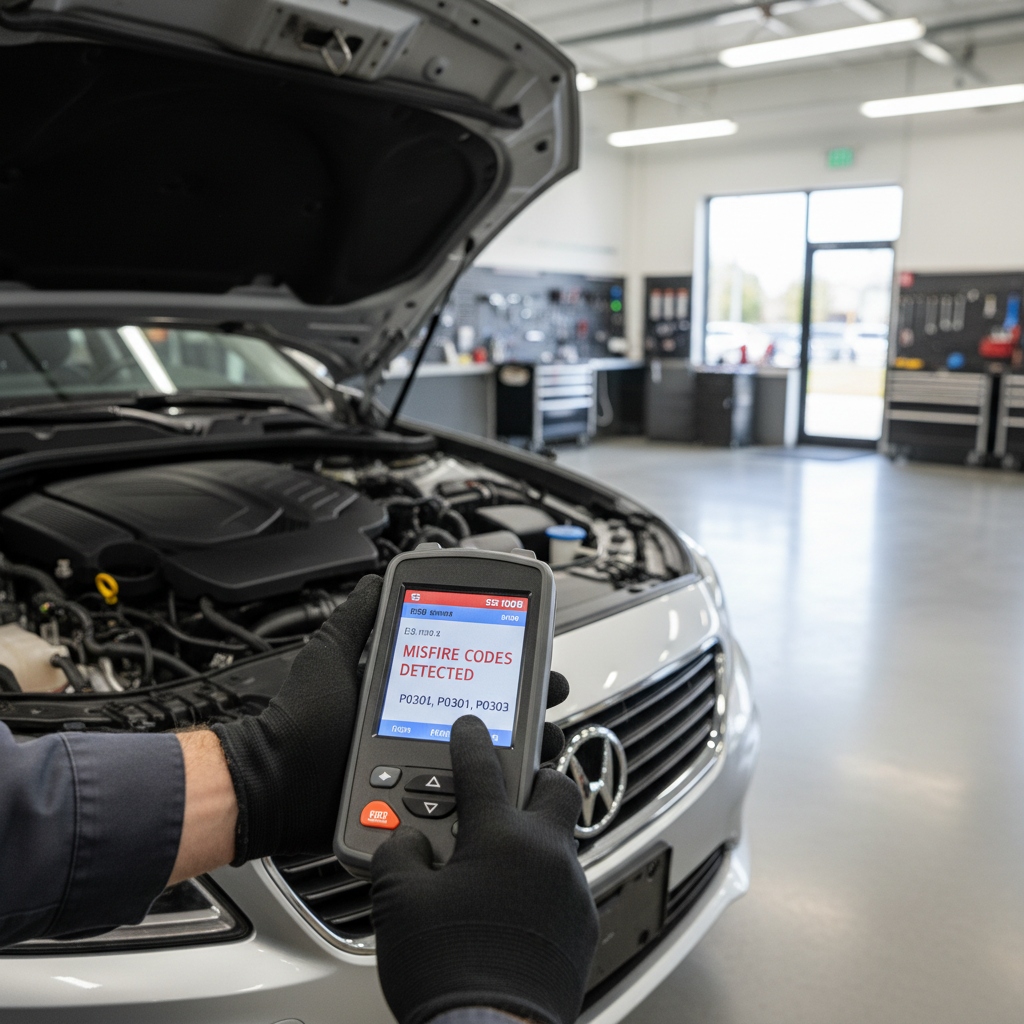
Most owners start with an OBD2 scan, and that’s the right move. Codes won’t hand you a guaranteed answer, but they narrow the map. According to SAE International OBD-II standards, P0300 indicates random/multiple misfire, while P0301–P0308 point to a specific cylinder.
| Code | Common meaning | What to check next |
|---|---|---|
| P0300 | Random/multiple misfire | Look for vacuum leaks, fuel pressure issues, worn plugs, multiple weak coils |
| P0301–P0308 | Misfire on a specific cylinder | Swap-test coil/plug, inspect plug well for oil/water, check injector on that cylinder |
| P0351–P0362 | Ignition coil primary/secondary circuit | Check coil connector, wiring, grounds, driver signal, coil resistance (if applicable) |
Don’t over-read the code description. A “cylinder 3 misfire” code often means the computer saw crankshaft speed changes consistent with a miss, not that it identified the coil as guilty.
Self-check: figure out if you’re likely dealing with a coil issue
Before you touch tools, use this quick filter. It helps you decide whether to focus on ignition first or widen the search.
- Is the problem tied to one cylinder? If you have P030X, ignition coil diagnosis is more straightforward.
- Does it worsen under acceleration? Weak spark often shows up under load.
- Did you recently skip spark plug replacement? Old plugs raise firing voltage demand, stressing coils.
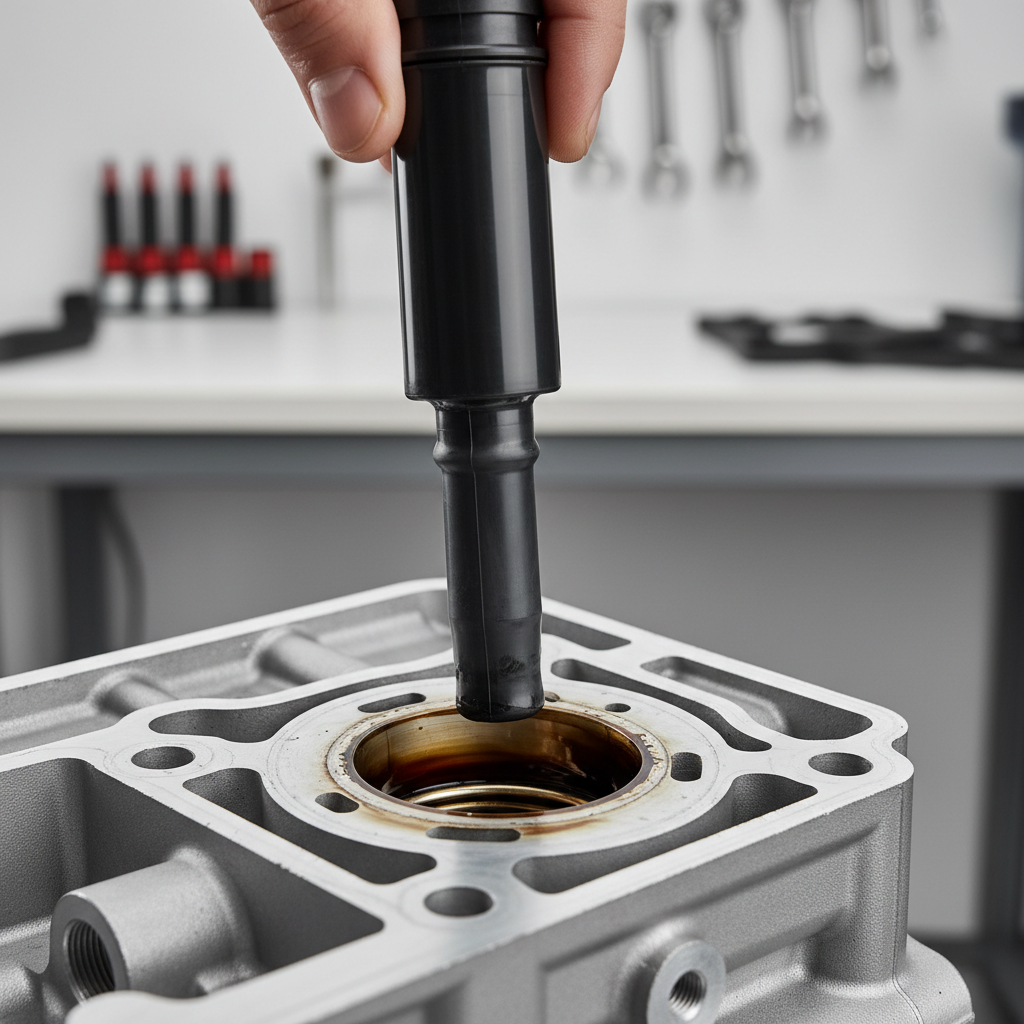
- Any oil or water in the plug wells? Moisture and oil commonly cause spark tracking.
- Any recent engine wash or heavy rain symptoms? Moisture intrusion can create intermittent misses.
- Do you also have lean codes (P0171/P0174)? That leans more toward vacuum/air leaks than coils.
- Is the battery/charging system stable? Low system voltage can mimic ignition weakness.
If you check several boxes, you’re in the right neighborhood for how to diagnose car bad ignition coil symptoms without guessing. If not, broaden the search early, it’s cheaper than “parts darts.”
Practical tests: from easiest to more definitive
You can do a lot with basic tools: an OBD2 reader, a flashlight, and simple hand tools. A professional shop may add a lab scope and coil stress testing, but you don’t always need that to reach a confident conclusion.
1) Visual inspection (fast, underrated)
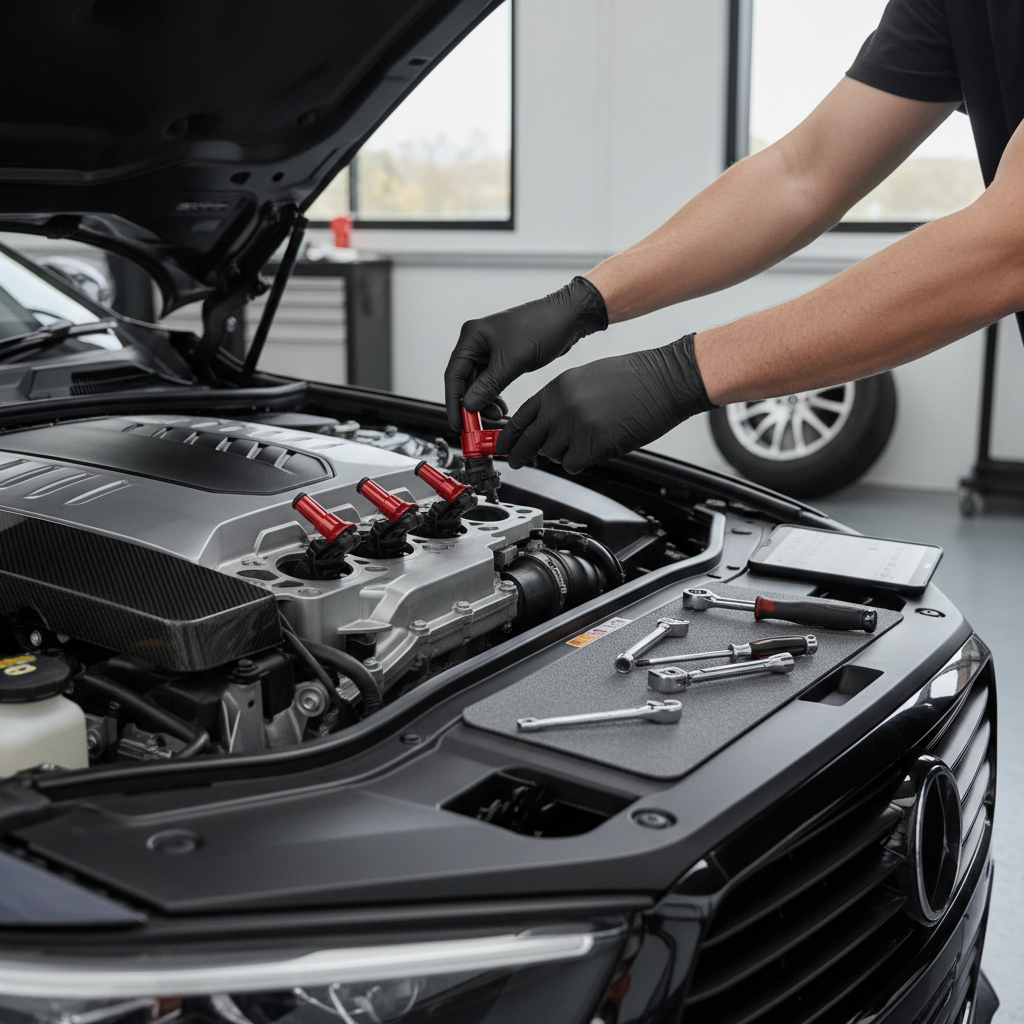
- Pull the coil and look for cracks, melted plastic, swollen housing, or carbon tracking lines on the boot.
- Inspect the plug well for oil, coolant, or water. If it’s wet, address the leak source, not just the coil.
- Check the connector: broken lock tab, green corrosion, loose pins, chafed harness near the valve cover.
If you find oil in the plug well, replacing the coil alone often gives a short-term improvement, then the misfire returns. Fix the gasket or seal issue so the ignition components can stay clean.
2) Swap test (the DIY favorite for a reason)
If you have a single-cylinder misfire code, move the suspected coil to a different cylinder, clear codes, then drive or idle until the misfire returns.
- If the misfire moves with the coil, the coil is a strong suspect.
- If the misfire stays on the same cylinder, look at the plug, injector, compression, or a wiring/driver problem.
Do the same with the spark plug if you can. A cracked insulator or worn gap can mimic coil failure and is usually cheaper.
3) Spark plug condition check (don’t skip this)
Pull the plug on the misfiring cylinder and compare it to a neighboring cylinder.
- Wet with fuel: spark may be absent or very weak, could be coil, could be driver.
- Oil-fouled: mechanical leak or valve cover tube seal issue, which can trigger misfires.
- White and blistered: overheating/lean condition, ignition may be fine.
If plugs are overdue, many technicians replace plugs first, then reassess. Fresh plugs lower firing demand and can make borderline coils behave again, which is helpful info even if you still end up replacing a coil later.
4) Basic electrical checks (use care)
You can check power and ground at the coil connector with a multimeter, but avoid probing in a way that spreads terminals or damages seals. High-voltage ignition testing can be hazardous, and if you’re not comfortable, a shop diagnosis is reasonable.
- Verify the connector has proper supply voltage with key on, if applicable.
- Check for obvious ground issues and damaged wiring.
- If you have a coil with published resistance specs, compare readings, but note many modern coils aren’t reliably diagnosed by resistance alone.
Step-by-step: a simple workflow that avoids guesswork
If you want a repeatable process, this is the order that tends to waste the least time.
- Scan codes and freeze frame: note which cylinder, RPM, load, coolant temp.
- Check easy basics: battery voltage health, loose intake tube, obvious vacuum hose issues.
- Inspect the coil and plug well: oil/water/cracks/corrosion.
- Swap test coil (and plug if possible): confirm whether the symptom follows the component.
- Only then buy parts: coil, plug, boot, valve cover gasket, depending on what you found.
Key point: when people ask how to diagnose car bad ignition coil symptoms, what they really want is confidence. The swap test plus plug inspection usually gets you there on coil-on-plug engines.
Common mistakes that make coil diagnosis go sideways
- Replacing the coil without checking the spark plug: a worn plug can cause repeat failures or keep the misfire alive.
- Ignoring oil in the plug well: the new part gets contaminated and you’re back where you started.
- Chasing P0300 as “must be coils”: random misfire can be vacuum leaks, low fuel pressure, MAF issues, EGR, or multiple small faults.
- Clearing codes too early: you lose freeze-frame clues that show when the misfire happens.
- Buying the cheapest coil option: fit and durability vary by brand and engine bay heat, cheap units sometimes create more work.
If you’ve had repeat coil failures on the same cylinder, consider why. Heat shielding missing, plug gap incorrect, oil leak, wiring tension, or even a coil driver issue can be the real story.
When to stop DIY and get professional help
Some situations justify a shop visit, not because DIY is impossible, but because the cost of being wrong is higher.
- Flashing check engine light and strong shaking that doesn’t settle, limit driving and have it checked to reduce catalytic converter risk.
- Noid/driver concerns: if the misfire doesn’t move with coil/plug, a technician may test injector pulse and ignition control with a scope.
- Multiple codes and rough running: especially when fuel trim, cam/crank correlation, or low voltage codes appear together.
- Suspected compression issue: a compression or leak-down test needs tools and experience to interpret.
A reputable shop should be able to explain how they confirmed the fault, not just “we replaced a coil.” If you hear a clear test path, that’s a good sign.
Key takeaways and what to do next
Diagnosing an ignition coil is less about memorizing symptoms and more about proving the misfire follows the coil, or proving it doesn’t. If you start with codes, inspect the plug well, and run a swap test, you usually avoid the expensive spiral of replacing parts at random.
Next step: if you have a P030X code, plan a coil and plug swap test this weekend, and if you find oil in the well, put “fix the leak” on the same to-do list. If the check engine light flashes or the car feels unsafe to drive, consider towing or calling a professional.
FAQ
How do I know if it’s the ignition coil or the spark plug?
The quickest way is to swap one item at a time. If the misfire moves when you swap the coil, that supports a coil fault. If it moves with the plug, the plug is the better suspect. Many people replace both when mileage is high, but diagnosis still matters if you want certainty.
Can a bad ignition coil cause a flashing check engine light?
It can, because a weak or dead coil can create a severe misfire. A flashing light is a “take it seriously” indicator, regardless of the cause, because prolonged misfire can overheat the catalytic converter.
Will a car run with a bad ignition coil?
Often yes, but it may run rough, lack power, and waste fuel. Some cars go into a reduced-power mode. Driving gently to a safe place may be possible, but extended driving with active misfire is a gamble.
What OBD2 code points to a bad ignition coil?
No single code guarantees a coil is bad. P030X tells you which cylinder is misfiring, and P035X family codes suggest an ignition coil circuit issue, which could be the coil, wiring, or control module driver.
How much does it cost to replace an ignition coil?
Cost varies by vehicle and whether you replace one coil or a set. Parts pricing also varies a lot by brand. If you’re paying a shop, labor can be modest for easy-access engines and higher for tight packaging.
Should I replace all ignition coils at once?
Sometimes people do when mileage is high and failures start happening one by one, but it’s not always necessary. If only one coil fails and the others test fine, replacing just the failed unit can be reasonable, especially if budget matters.
Can oil in the spark plug well mimic bad ignition coil symptoms?
Yes, very often. Oil can cause spark tracking and weak spark, which feels like a coil issue. In that case, you usually need to address the seal or gasket leak and consider replacing the contaminated boot or coil if it’s damaged.
If you’re trying to diagnose a stubborn misfire and want a more straightforward path, an OBD2 scan plus a clean swap-test plan can save a lot of frustration. If you’d rather skip the trial-and-error, a shop that can document the test results and show you why the coil is the culprit is often worth the money.