
Best windshield washer fluid choices in 2026 come down to one thing: matching the formula to your weather, driving, and the kind of grime you actually face, not whatever jug is cheapest at the gas station.
If you drive in snow states, you care about freeze protection and consistent spray in sub-zero temps. If you live where lovebugs and road film are a daily reality, you care about cleaning power and streak-free behavior. And if you do a bit of everything, you want an all-season option that does not leave you guessing.
This guide breaks down the main fluid types, a quick self-check to pick the right one, a practical comparison table, and a few real-world tips that prevent the common mistakes that waste money and still leave you with glare at night.
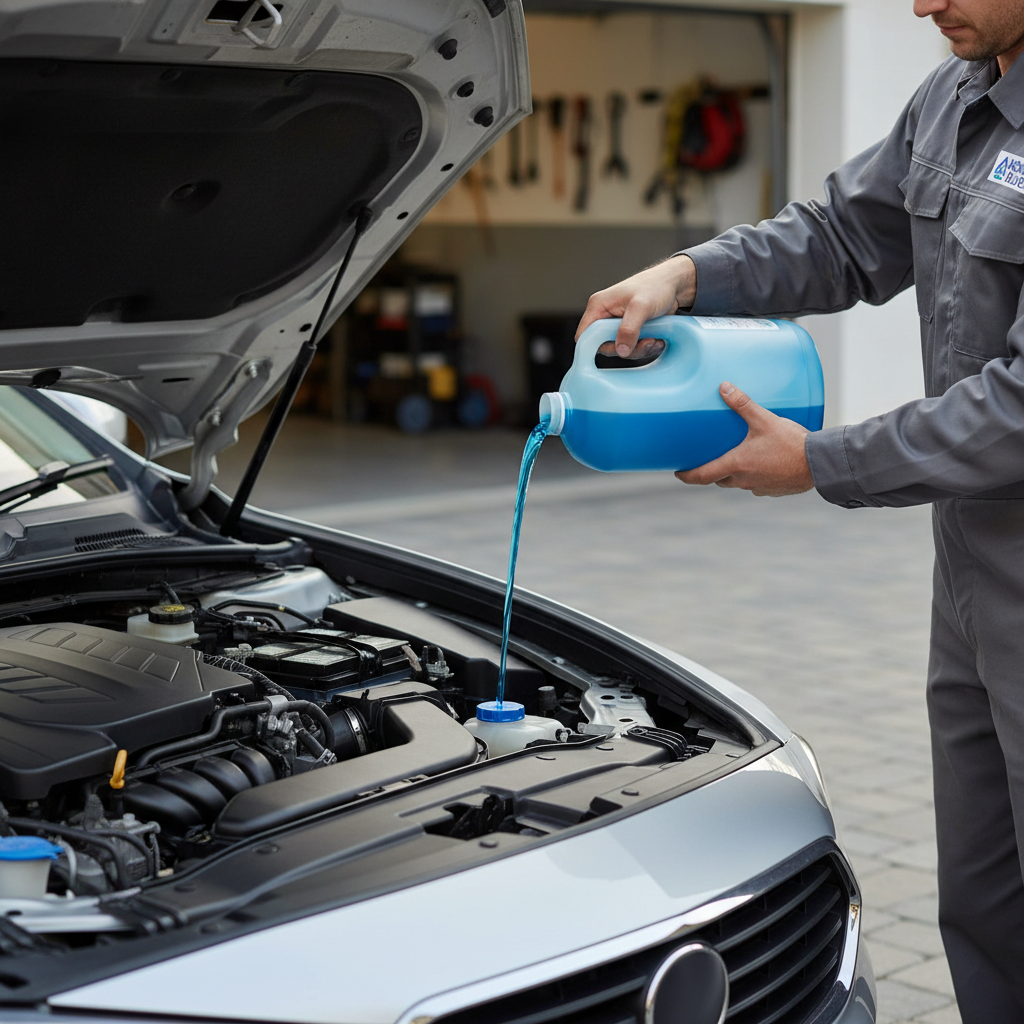
What makes a windshield washer fluid “best” in 2026
The label usually looks simple, but performance depends on a few variables that matter more than brand names. Here is what typically separates a “works fine” jug from a “why did I not buy this sooner” jug.
- Temperature rating: Winter blends list a freeze point, often something like -20°F or -25°F. If you routinely see temps below that, you want margin, not a perfect match.
- Cleaning target: Some formulas prioritize road salt film, some target bugs and tree sap, some aim for all-purpose cleaning.
- Streaking and glare control: Night driving can feel harsher when a fluid leaves residue that smears under wiper pressure.
- Material compatibility: Modern cars may have rain-sensing wipers, heated washer systems, headlight washers, or sensitive coatings; you want a fluid that plays nicely with rubber and plastics.
- Convenience: Pre-mixed jugs are easy. Concentrates can be cheaper per fill, but only if you actually mix correctly.
According to NHTSA, clear visibility is a core safety factor for driving in rain, snow, and night conditions, so a washer fluid that improves clarity is not just “nice to have,” it supports safer driving decisions.
Types of washer fluid (and who should buy which)
Most “best windshield washer fluid” shopping problems happen because people buy the wrong category, then blame the product. Pick the type first, then compare options inside that type.
All-season fluid
Good for drivers who see mixed conditions and want a single jug year-round, typically with moderate freeze protection. If you rarely see deep-freeze mornings, this is often the simplest path.
Winter/de-icer fluid
Built for freezing temps, usually with stronger alcohol content for freeze resistance and de-icing. If you park outside and your nozzles freeze, this category matters more than any “bug remover” claim.
Bug remover / heavy-duty summer formula
Better surfactants and cleaning agents help break down bugs, pollen, and road film. In hot states or long highway commutes, this can feel like an upgrade instantly.
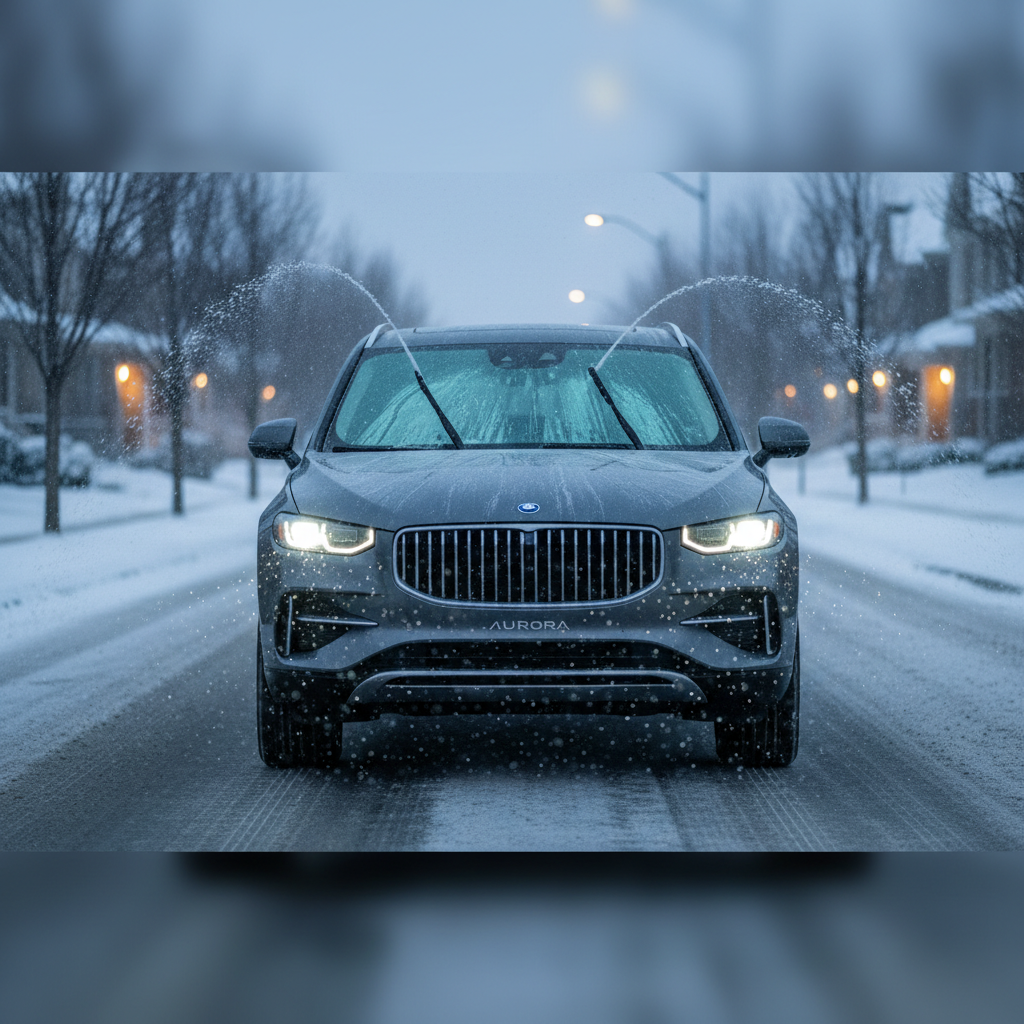
Concentrate vs. pre-mixed
Concentrates can be cost-effective, especially for fleets or households with multiple cars. The catch is dilution errors. If you mix too weak, winter protection and cleaning power drop fast.
“Water-repellent” or “ceramic” washer fluids
These try to leave behind a hydrophobic layer, similar in spirit to some windshield treatments. They can work well, but they also can create chatter or streaks if your wipers are tired or your glass has built-up residue, so they are not always a safe blind buy.
Quick self-check: pick the right formula in 60 seconds
If you want the best windshield washer fluid for your car, answer these without overthinking.
- Lowest temperature you actually drive in: below 0°F, 0–20°F, or above 20°F?
- Parking situation: garage most nights, or outside?
- Main mess: road salt film, bugs, dust/pollen, or oily road grime?
- Night driving: frequent night highway driving makes streaking more annoying, sometimes even unsafe.
- Washer usage: occasional or daily? Heavy users benefit from bigger jugs or concentrates.
- Special systems: headlight washers, heated nozzles, or advanced wiper systems in newer vehicles.
Fast rule of thumb: if you see real winters, buy winter-rated fluid for cold months and switch when temps stabilize. If you never see freezing temps, prioritize cleaning power and low streaking.
Comparison table: common “best” picks by scenario
This table is meant to narrow choices quickly. You can use it even if you end up buying a different brand, because it is based on use-case rather than hype.
| Scenario | What to look for | What to avoid | Why it matters |
|---|---|---|---|
| Snow belt, parking outside | -20°F or lower rating, de-icer claim | Summer bug remover as your only fluid | Prevents frozen lines/nozzles and helps melt light ice |
| Hot climate, highway commuting | Bug remover / high-cleaning formula | Very low-cost watery blends that smear | Breaks down bug protein and film faster, fewer wipes |
| Mixed seasons, moderate winters | All-season with reasonable freeze protection | Unknown “homemade” mixes | Simple year-round choice, fewer mistakes |
| Frequent night driving | Low-streak formula, good wiper condition | Overuse of water-repellent fluid on worn wipers | Reduces glare and haze that worsen at night |
| Fleet / high usage | Concentrate with clear dilution directions | Inconsistent mixing between vehicles | Lower cost per fill if mixing stays consistent |
How to actually choose and use washer fluid (steps that work)
Buying the right jug helps, but the “it still streaks” complaints usually come from setup problems. This is the practical routine that tends to fix most of them.
1) Match the freeze rating to your worst week, not your average day
If your area hits a few brutal mornings, plan for those. A borderline rating might work until it suddenly does not, and then you are stuck with frozen spray when you need it.
2) Do not mix random formulas in the reservoir
Many products are technically compatible, but mixing can reduce performance and sometimes increase residue. If you want to switch types, run the reservoir down first, then refill.
3) Clean the glass once, then judge the fluid
A good washer fluid cannot fully overcome oily film, wax overspray, or old “rain repellent” buildup. Wash the windshield with an automotive glass cleaner and a clean microfiber towel, then test again.
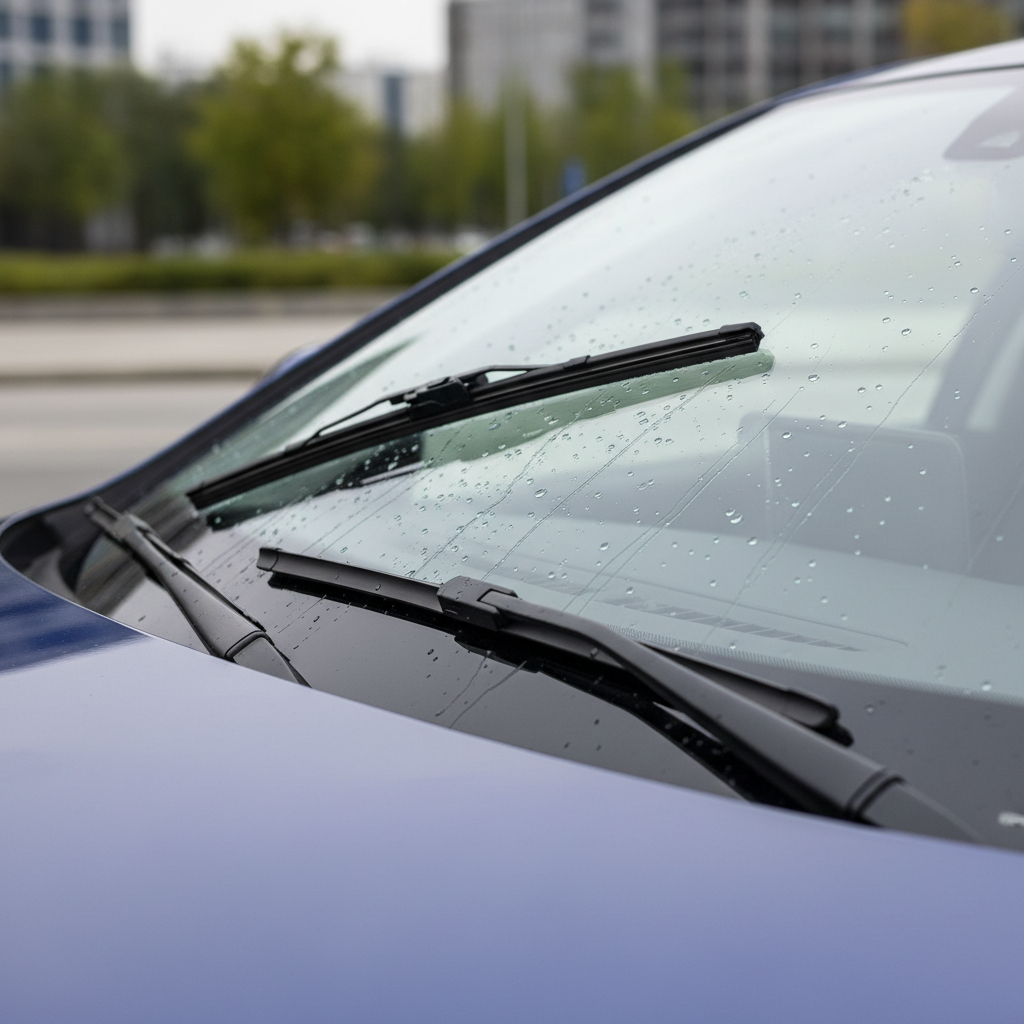
4) Replace wipers when fluid “suddenly got worse”
Wiper edges age, harden, and chatter. If your washer fluid used to look fine and now smears, wipers are often the real culprit, not the jug. According to AAA, maintaining critical visibility components such as wipers is part of basic vehicle upkeep for safe driving.
5) Use a short burst, then a second burst
For bugs and salt film, a quick spray, one wipe pass, then a second spray often clears better than flooding the glass once. Less fluid can still clean more effectively.
Common mistakes (and what to do instead)
- Using plain water: It can freeze, grow bacteria, and clean poorly. In warm climates it still tends to smear oily road grime.
- Chasing “stronger” without thinking: Very aggressive formulas may smell harsher and can be annoying in enclosed garages. Buy what fits your use-case.
- Ignoring clogged nozzles: If spray pattern looks weak or off-center, you can get false “bad fluid” impressions. Many nozzles can be gently adjusted or cleaned, but be careful with pins that can damage the tip.
- Over-trusting water-repellent fluids: These can be great on some cars, but if you see haze under streetlights, switch back to a standard low-streak formula and deep-clean the glass.
Also worth saying: if your vehicle manual recommends a specific washer fluid type or warns against certain additives, follow that guidance. Some systems are more sensitive than older cars.
When to get help (or at least stop guessing)
If visibility remains poor after switching to a quality, season-appropriate product and replacing wipers, something else may be going on. A shop can diagnose quickly, and in many cases it is inexpensive.
- Washer pump sounds weak or does not run at all
- One nozzle sprays, the other does not, even after cleaning
- Fluid leaks under the car or inside the engine bay
- Persistent oily haze that returns right after cleaning, which may point to contamination from wax, coolant mist, or other sources
If you are unsure, consider asking a qualified mechanic, especially if you drive in winter conditions where a failure can become a safety issue.
Conclusion: the “best” choice is the one that matches your season
The best windshield washer fluid in 2026 is rarely a single universal product, it is a smart match between your climate and the grime you see every week. Winter drivers benefit from a true de-icer blend with real temperature headroom, warm-climate commuters usually feel the biggest difference from a bug-and-film remover, and many people do fine with a solid all-season formula if conditions stay moderate.
If you want one practical next step, check your lowest expected temperature, then buy a fluid rated below that and pair it with fresh wiper blades, you will notice the improvement immediately on the next dirty windshield.
If you prefer a more “set it and forget it” approach, keep two jugs on hand, a winter-rated fluid for cold months and a summer cleaning formula for bug season, the switch takes two minutes and saves a lot of squinting later.