
How to remove car window rain water marks usually comes down to one thing: minerals left behind when rainwater dries, plus whatever road film was already on the glass. The good news is most marks can be removed at home with the right cleaner, the right towel, and a little patience, no special machine required.
If you drive in parts of the U.S. with hard water, frequent sprinklers, or lots of dust, these spots can come back fast. And when they build up, they don’t just look bad, they can scatter headlights at night and make wipers feel “skippy.”
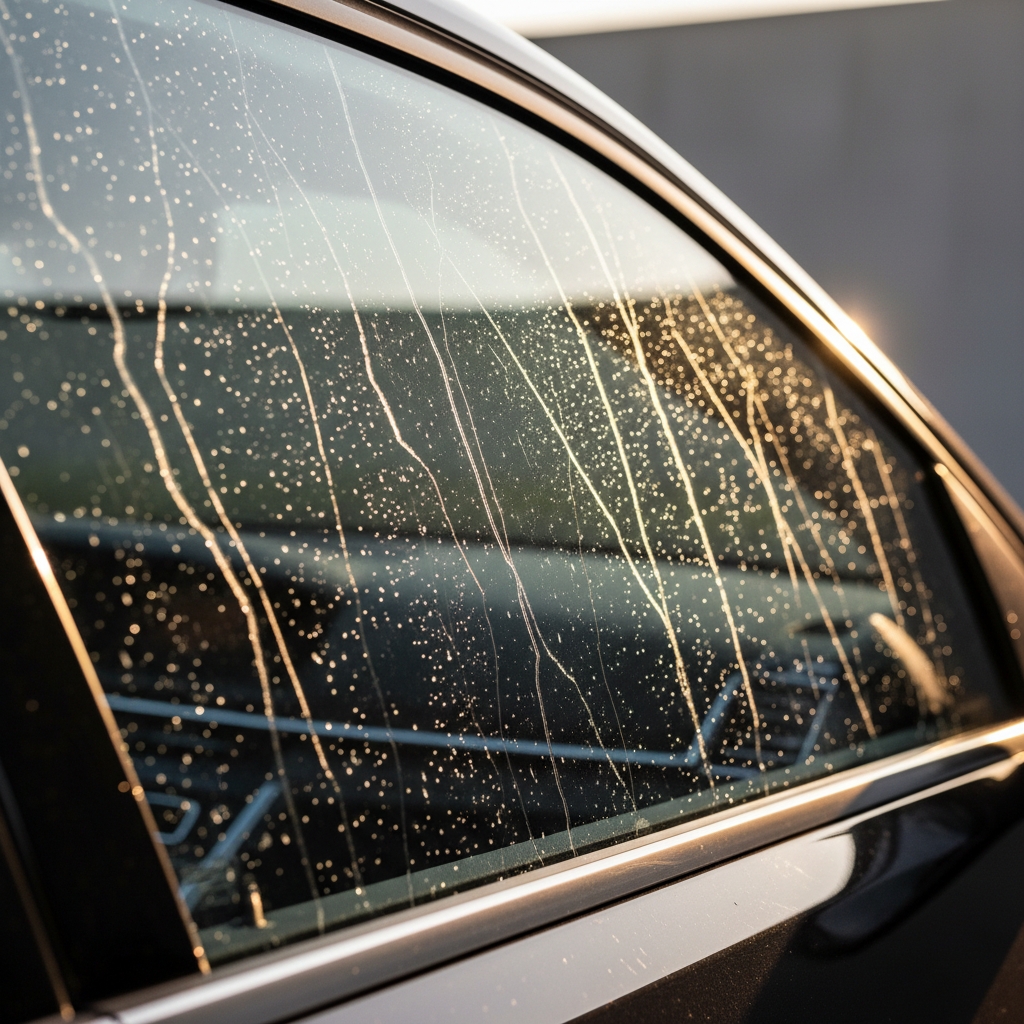
This guide helps you diagnose what you’re actually seeing (mineral deposits, wiper haze, or glass etching), then pick a removal method that matches the severity. I’ll also flag the common mistakes that waste time, like using the wrong towel or jumping straight to harsh abrasives.
What rain water marks on car windows really are
Most “rain spots” on automotive glass are mineral deposits, typically calcium and magnesium, left behind after droplets evaporate. They bond more stubbornly if the glass gets hot in the sun, or if the water has time to bake on.
Two other look-alikes show up a lot:
- Road film: oily grime that turns spotting into smeary patches when you wipe.
- Etching: long-term mineral or chemical damage that slightly pits the surface. It can look like spots that “won’t come off,” especially in glare.
According to the International Carwash Association... hard water minerals are a common cause of spotting and should be addressed promptly to reduce buildup. That lines up with what detailers see in real life: older spots are simply harder.
Quick self-check: deposits, haze, or etched glass?
Before you grab products, do a fast check. It saves you from using the wrong approach and wondering why nothing changes.
- Run a clean fingertip across the dry spot: if it feels slightly rough, it’s likely mineral deposit.
- Spritz water on the glass: if the “spot” disappears when wet then reappears when dry, it’s typically deposit or residue, not deep etching.
- Check at night: if you see broad glare or a cloudy “halo,” it may be wiper haze, traffic film, or micro-scratches.
- Try a small test area (corner of a window) with your mildest method first.
If the marks barely change after a proper mineral-removal attempt, you may be dealing with etching, or contamination stuck to the surface that needs a polishing step.
Tools and products that actually help (and what to avoid)
You don’t need a cabinet full of chemicals. You do need the right categories of tools so you’re not grinding dirt into the glass.
Good basics
- Two microfiber towels: one for cleaning, one for final buff (avoid fabric softener washed towels).
- Glass-safe mineral remover or a mild acid cleaner designed for water spots.
- pH-neutral car wash soap for the initial wash.
- Clay bar or synthetic clay mitt (optional, helpful for bonded contamination).
- Glass polish (for stubborn deposits or light etching, used carefully).
Things to be careful with
- Household ammonia cleaners: some are fine on glass, but overspray can affect tint film or interior materials. If you have aftermarket tint, check the tint installer’s guidance.
- Abrasive powders and aggressive pads: can create haze or micro-scratches if misused.
- Razor blades: sometimes used by pros for certain contamination, but easy to scratch if technique or lubrication is off, especially on dirty glass.
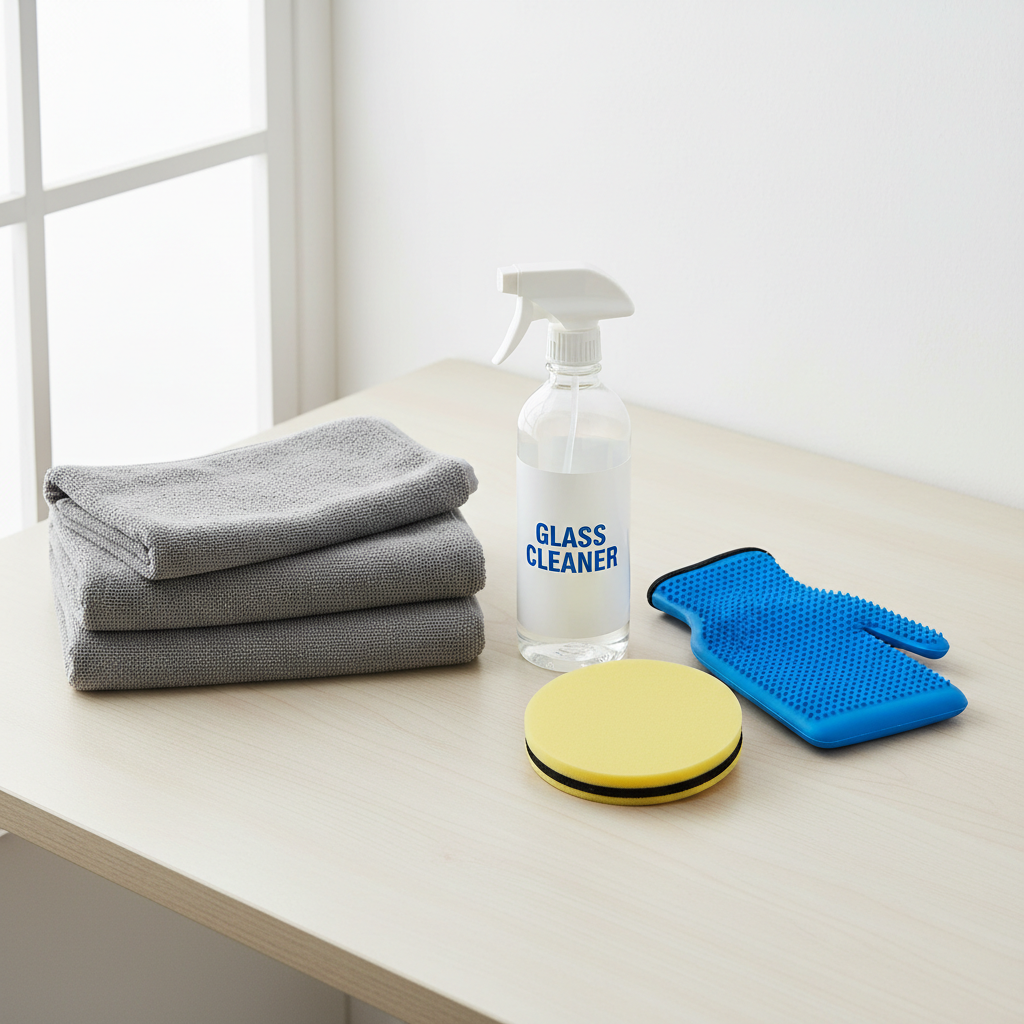
Key point: the towel matters more than people think. A tired, linty cloth can leave streaks that look like “new water marks,” so you end up chasing your tail.
Step-by-step: how to remove car window rain water marks (least to most aggressive)
Start gentle, then escalate. That’s the safe way to get clean glass without adding scratches or haze.
1) Wash first (don’t skip this)
- Rinse the glass to remove loose grit.
- Wash with car shampoo and a clean wash mitt.
- Dry with a microfiber towel.
If you jump straight to a spot remover on dusty glass, you often grind particles around and create fine marring that shows in sunlight.
2) Use a mineral deposit remover (most common win)
- Work in shade on cool glass.
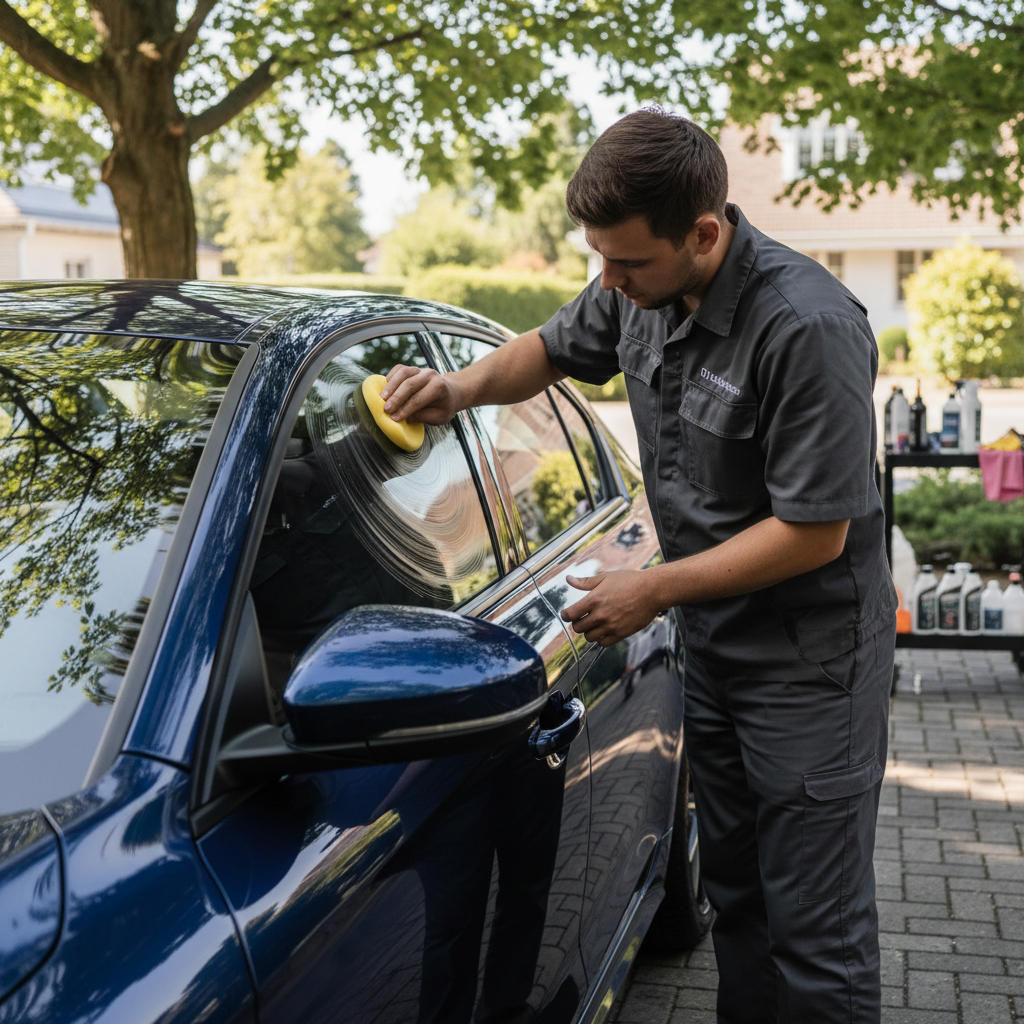
- Apply product to a microfiber or applicator, not directly over the whole window.
- Do a small section, light pressure, short dwell time as the label directs.
- Rinse or wipe off thoroughly, then buff dry with a second towel.
If you’re learning how to remove car window rain water marks effectively, this step is where most people get results. The trick is controlled application and full removal, leftover product can streak.
3) Clay the glass if it still feels “grabby”
Clay doesn’t dissolve minerals, but it can pull off bonded contamination that makes spotting look worse.
- Use plenty of clay lubricant or soapy water.
- Glide gently, no heavy pressure.
- Wipe clean and re-check the surface feel.
4) Glass polish for stubborn spots or mild etching
If deposits have baked on for months, a dedicated glass polish can help. Use it with a foam applicator by hand, or a machine only if you know what you’re doing.
- Mask rubber trim if needed, polish residue can be annoying on porous plastics.
- Work a small area, then wipe and inspect from multiple angles.
- Stop when improvement plateaus, chasing “perfect” can cause haze.
According to 3M... using the correct abrasive level and technique matters to avoid surface damage when polishing. On automotive glass, that caution is worth taking seriously.
Which method should you choose? (Quick comparison table)
Here’s a practical cheat sheet. Real-world glass issues often overlap, so treat it as guidance, not a strict rule.
| What you see | Most likely cause | Best first move | Escalate to |
|---|---|---|---|
| Round white spots, worse in sun | Mineral deposits | Mineral remover + microfiber | Glass polish |
| Smears or cloudy film after wiping | Road oil + dirty towel | Proper wash, then glass cleaner | Clay + re-clean |
| Wiper arc haze, chatter | Wiper residue / worn blades | Clean glass + replace wipers | Light polish |
| Spots never fully disappear | Etching or deep deposits | Test polish on small area | Pro detailer assessment |
Prevention that actually sticks (so you don’t keep redoing this)
Removing spots is one thing, keeping glass clear is where people usually give up. A few habits make a noticeable difference.
- Dry the glass after washing, air-drying invites mineral spotting.
- Use a rinseless wash correctly for quick cleanups between full washes, especially after a light rain.
- Apply a glass sealant or rain repellent: water beads and sheets off, so deposits have less chance to bake on.
- Replace worn wipers: they drag minerals and grime across the surface, creating more haze than you’d expect.
If sprinklers hit your driveway, timing matters. Moving the car or rinsing the windows soon after exposure often prevents the “baked-on ring” that becomes a weekend project.
Common mistakes that make water marks worse
- Cleaning in direct sun: products flash-dry and streak, minerals bond faster on hot glass.
- Using one towel for everything: a towel that touched paint or wheels can smear grit onto glass.
- Overusing strong acids: they can stain trim and create uneven results if not neutralized or rinsed well.
- Skipping the final buff: many “water spots” are actually leftover cleaner residue.
If you’re repeating how to remove car window rain water marks every week, it’s usually a prevention gap: hard water source, no drying, or no sealant, rather than a lack of scrubbing power.
When to consider professional help
Most DIY methods handle typical spotting, but there are cases where a pro is the more sensible path.
- Severe etching that stays visible after polish tests.
- Aftermarket tint where you’re unsure which chemicals are safe, a detailer or tint shop can advise.
- Deep wiper scratches or distortion in the driver’s viewing area, repairs may be limited and replacement might be discussed.
For safety-critical visibility issues, especially on the windshield in the driver’s line of sight, it’s reasonable to consult a professional detailer or glass specialist rather than experimenting with aggressive abrasives.
Practical wrap-up
Clear glass is mostly about using the right method for the right type of mark, not about working harder. Wash first, remove minerals with a glass-safe spot remover, then only move to clay or polishing if the surface still feels rough or looks etched.
If you want a simple action plan, do this next: clean one small test section with a mineral remover and a fresh microfiber, then decide whether you need to escalate. That one test tells you more than guessing across the whole windshield.
FAQ
How do I remove rain water stains from a windshield without streaks?
Start with a proper wash, then use a dedicated mineral remover on cool glass, and finish with a separate dry microfiber for buffing. Streaks often come from residue or a damp towel, not “harder” spots.
Does vinegar work for car window water spots?
White vinegar can help dissolve light mineral deposits in many cases, but it’s not always strong enough for older buildup, and you should avoid getting it on sensitive trim. If you try it, test a small area and rinse well.
Why do water marks come back after I clean the glass?
Usually the source stays the same: sprinklers, hard water rinses, or leaving the car to air-dry. A glass sealant plus drying after washes reduces how quickly spotting returns.
How to remove car window rain water marks if the glass feels rough?
Roughness suggests bonded contamination or thicker deposits. Try mineral remover first, then clay with proper lubrication; if it improves but doesn’t finish the job, a gentle glass polish may be the next step.
Can I use magic erasers on car windows?
They’re mildly abrasive. On glass they may work for certain haze, but they can also leave uneven results around tint edges or delicate trim. If you use one, keep pressure light and test a corner first.
Is it safe to polish a windshield by hand?
Light polishing by hand with a glass-specific polish is often reasonable, but technique matters and results vary by product and glass condition. If visibility gets worse or haze appears, stop and consider professional help.
What’s the fastest way to clean water spots off side windows?
Side glass is usually easier than a windshield. A mineral remover on a microfiber, small sections, then a clean buff towel often clears it quickly, as long as you’re not working in hot sun.
Do rain repellents prevent mineral spots?
They don’t stop minerals from existing, but they can reduce how much water clings and dries on the surface. In practice, that typically means fewer and lighter marks between washes.
If you’re dealing with repeated spotting and want a more “set it and forget it” routine, consider pairing a mineral remover with a simple glass sealant schedule and dedicated glass towels, it’s usually the difference between occasional maintenance and constant re-cleaning.