
best car tire sidewall repair kit for cuts is a search that usually starts the same way: you spot a small slice on the sidewall and you want a safe, affordable way to stop losing air without buying a new tire today.
Here’s the truth most guides bury: sidewall damage is riskier than tread damage, because the sidewall flexes constantly and carries a lot of structural load. Many “repair kits” help you manage the situation long enough to reach a shop, but fewer options count as a long-term fix, and in plenty of cases, a repair is not recommended at all.
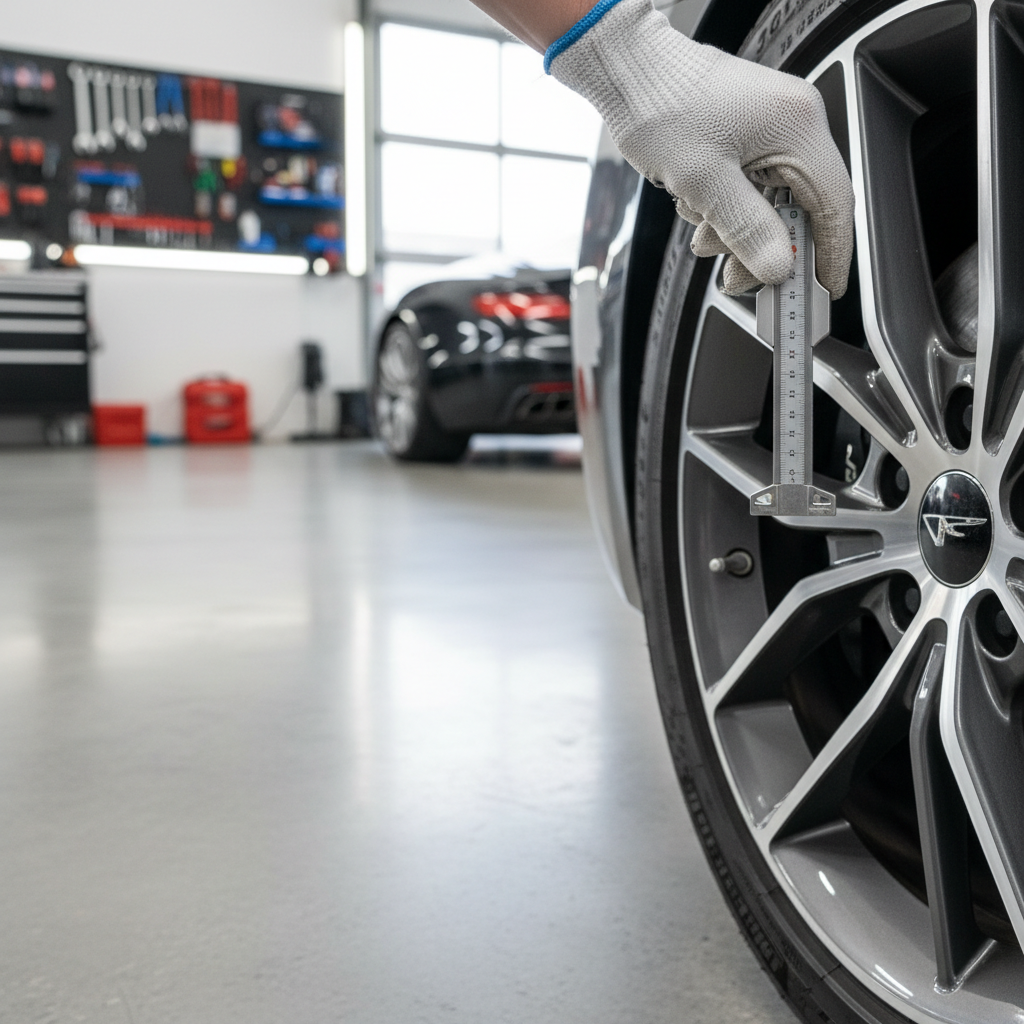
This article helps you judge what you’re looking at, pick a kit that matches your scenario, and use it with fewer mistakes. I’ll also call out when it’s time to stop DIY and let a tire professional handle it.
Sidewall cuts: what makes them different (and why kits are limited)
A puncture in the tread area is often repairable because the tread is thicker and doesn’t flex like the sidewall. A sidewall cut is different, the rubber is thinner and constantly bending as the tire rolls, so repairs face more stress and higher failure risk.
According to the National Highway Traffic Safety Administration (NHTSA), tires are a critical safety component, and defects or improper maintenance can contribute to crashes. That’s not a direct “never repair” statement, but it’s a useful reminder: with sidewalls, conservative decisions usually make sense.
- Small superficial scuffs may be cosmetic and not leak air.
- Small cuts that leak slowly sometimes can be stabilized short-term with sealant or an external patch product, depending on size and location.
- Cuts exposing cords or causing a bulge are generally treated as “replace the tire” territory in many shops.
Quick self-check: is this a “kit situation” or a “replace now” situation?
You don’t need fancy tools to do a first pass. You do need honesty, because the wrong call here can turn into a blowout later.
Green-ish flags (often worth trying a temporary kit to reach a shop)
- The cut is short and shallow, and you don’t see fabric/steel cords.
- Air loss is slow, and the tire holds pressure for hours, not minutes.
- No vibration, no bulge, no wobble, no “thump” while driving.
Red flags (skip the kit, go professional, often replacement)
- Cords visible inside the cut, or the cut spreads when you flex the rubber gently.
- Bulge near the damage, that can mean internal structure failure.
- Cut is near the bead area (where tire meets the rim) or the shoulder transition.
- Rapid pressure loss, repeated re-inflation needed within minutes.
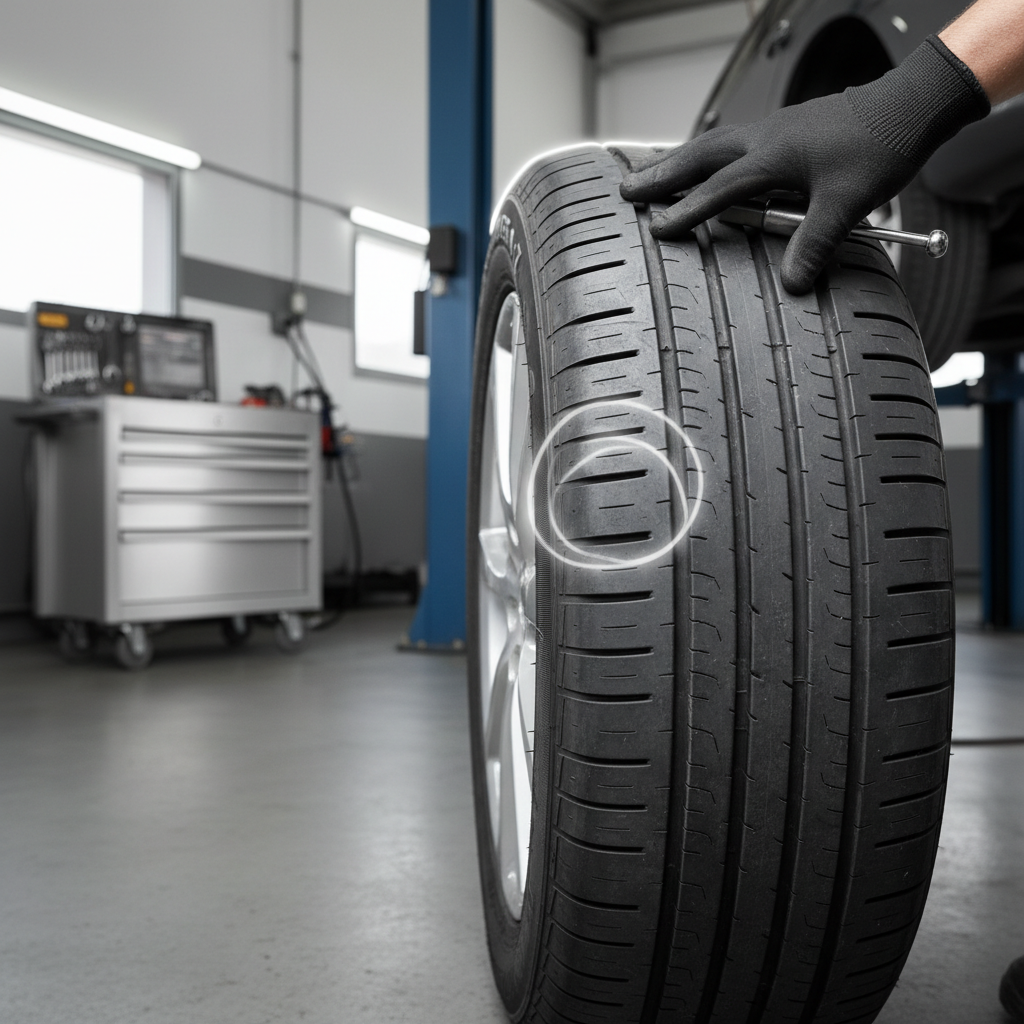
If you hit any red flag, treat a kit as a last-resort mobility tool at best, and in many cases it’s smarter not to drive at highway speed at all. If you’re unsure, a tire shop inspection is usually quick and not as expensive as guessing wrong.
What “sidewall repair kits” really are: types and what they can do
When people say “sidewall repair kit,” they might mean very different products. Here’s the practical breakdown.
- Tire sealant + inflator kits: inject sealant through the valve stem, inflate, and hope it seals. Often best for small punctures, sidewall sealing is less reliable because of flex.
- External rubberized patch compounds (often marketed for sidewalls): clean, roughen, apply adhesive compound, then a flexible patch layer. These can help with very small cuts when cords aren’t involved, but durability varies by tire and driving conditions.
- Plug kits (string plugs): common for tread punctures, but many professionals discourage using plugs in the sidewall because the structure is different and movement can work the plug loose.
- Professional internal patch/plug combos: typically installed from inside the tire, common for tread repairs. For sidewalls, many shops won’t do this, and for good reason.
Comparison table: choosing the best car tire sidewall repair kit for cuts
The “best” kit depends on whether you need an emergency get-you-home option or a careful, low-speed temporary stabilization before a shop visit.
| Kit type | Best for | What you’ll like | Real limitations |
|---|---|---|---|
| Sealant + 12V inflator | Slow leaks, uncertain source | Fast, minimal tools, good roadside option | Sidewall flex may break the seal, can complicate later professional repair |
| Sidewall patch compound kit | Small, shallow cuts with no cords showing | More targeted than sealant, can hold for limited use | Surface prep matters a lot, not reliable for deeper damage |
| String plug kit | Tread punctures (not sidewalls) | Cheap, widely available, easy to carry | Often not recommended on sidewalls, higher failure risk |
| Boot/liner + adhesive (emergency) | Temporary internal reinforcement in some off-road contexts | Can reduce leakage in specific situations | Requires demounting tire, still not a true structural restoration |
Key takeaway: if your priority is safety and simplicity, a sealant/inflator kit plus a plan to get inspected is often more realistic than trying to “permanently repair” a sidewall cut at home.
What to look for in a kit (so you don’t buy the wrong thing)
If you’re shopping specifically for small cuts, pay attention to these details, not the marketing language.
- Clear use-case labeling: the kit should say what sizes it supports and whether sidewalls are included or excluded.
- Flexibility after cure: sidewalls move, so rigid glues crack faster. Look for rubberized, flexible compounds if you’re attempting an external patch approach.
- Surface prep tools: sanding/rasping and cleaner matter more than people think, a kit without them can fail even on small damage.
- Pressure gauge accuracy: a decent gauge prevents underinflation, which can worsen sidewall stress.
- Temperature range: if you live in a hot state or deal with freezing winters, cure behavior and sealant viscosity can change.
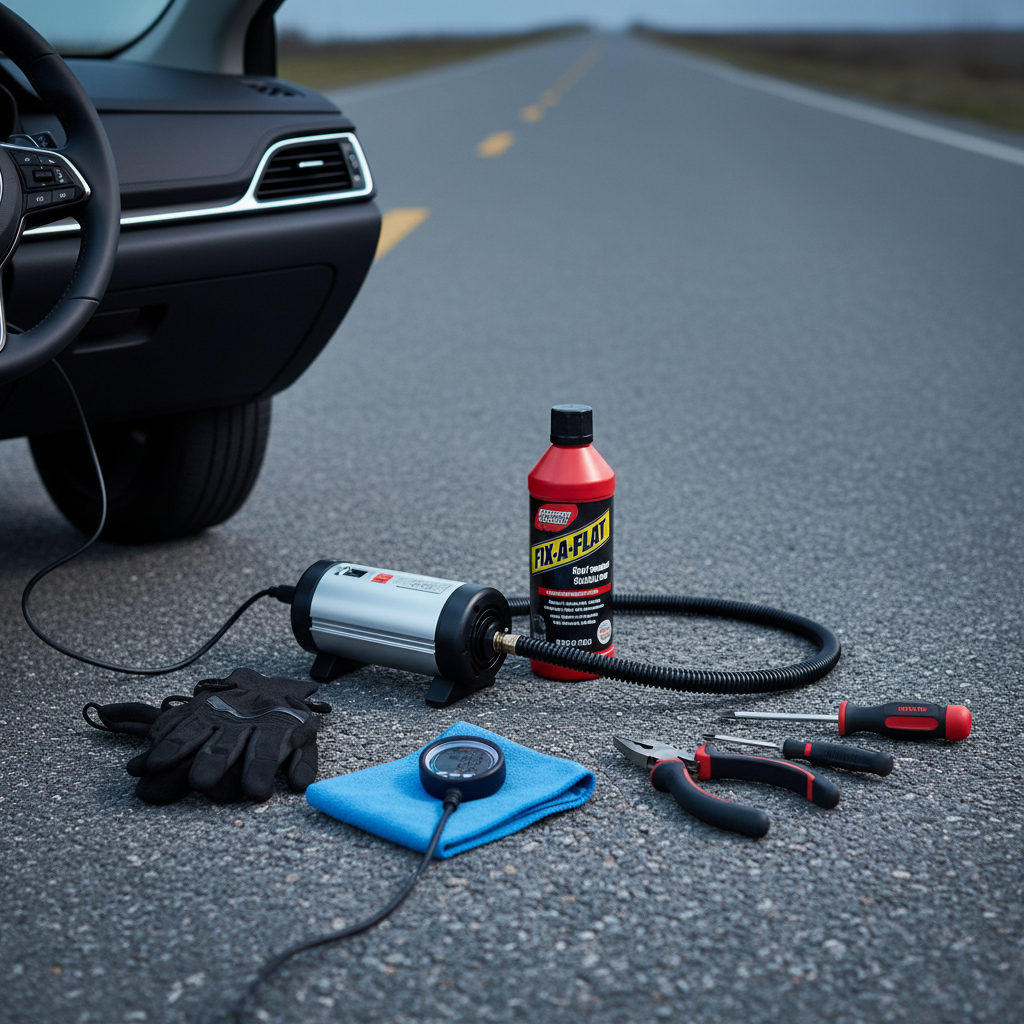
Also check whether the sealant is labeled as TPMS-friendly. Many modern cars have tire pressure monitoring sensors, and while many sealants claim compatibility, cleanup and sensor issues still happen sometimes.
How to use a kit for a small sidewall cut (practical steps by scenario)
I’m going to frame this as “get back to safe mobility,” not “make it brand new,” because that’s the safer mental model for sidewall damage.
Scenario A: You can’t pinpoint the leak, you just need air retention
- Park safely, turn on hazards, and inspect the sidewall for bulges or cords.
- If no red flags show, use a sealant + inflator as directed, then inflate to the door-jamb pressure spec, not the tire sidewall max.
- Drive a short distance at lower speed to distribute sealant, then recheck pressure.
- Plan a shop visit soon, tell them you used sealant so they can handle the tire appropriately.
Scenario B: You see a tiny cut that seeps air slowly
- Clean and dry the area, remove debris gently, avoid enlarging the cut.
- Roughen the rubber around the cut if your kit instructs it, bonding usually fails on glossy, dirty surfaces.
- Apply the flexible patch compound in thin layers, let it cure as long as recommended.
- Inflate, check for bubbles using soapy water, then keep speeds conservative and monitor pressure.
Scenario C: You see cords or the cut looks deep
At this point, a kit is not the “fix,” it’s a decision about risk. In many cases, the safer choice is to mount the spare, call roadside assistance, or have the vehicle towed to a tire shop for replacement advice.
Mistakes that make sidewall repairs fail faster
- Driving underinflated: even a small pressure drop increases heat and sidewall flex, which can worsen the cut.
- Using a tread plug on a sidewall because it’s what you have in the trunk.
- Skipping cure time: adhesives that “feel dry” may still be weak internally.
- Assuming no leak equals safe: structure damage can exist without obvious air loss.
- High-speed testing: if you must drive, keep it short and cautious until inspected.
If you’re comparing options and keep coming back to the same question, “Is this actually safe,” that’s usually your cue to get an in-person inspection.
When to stop DIY and get professional help
A tire technician can demount the tire and inspect internal liners and cords, which you can’t really confirm from the outside. That internal view often changes the decision.
- If the tire loses more than a few PSI overnight, even after a repair attempt.
- If you see any bulge, or feel new vibration.
- If you drive long highway commutes, carry heavy loads, or tow, your margin for a sidewall “maybe” gets smaller.
According to the U.S. Tire Manufacturers Association (USTMA), proper tire service and inspection practices matter for safety, and many repairs must follow manufacturer guidance. If a shop recommends replacement after inspection, it’s often because they can see structural risk you can’t from the curb.
Conclusion: what “best” means for most drivers
For most people, the best car tire sidewall repair kit for cuts is the one that helps you stabilize a minor issue and reach a shop safely, not the one that promises a permanent sidewall rebuild. If your cut is superficial, a flexible sidewall patch compound may buy time, and if you just need to stop a slow leak, a sealant plus inflator kit can be the most realistic roadside solution.
Your next step is simple: inspect for cords or bulges, choose the least aggressive method that fits the damage, then schedule a professional look as soon as you can. Sidewalls aren’t the place to gamble.
FAQ
Can a small cut in the tire sidewall be repaired at home?
Sometimes a very small, shallow cut with no cords visible can be stabilized temporarily, but home repair is often limited. If you’re unsure about depth or structure, a shop inspection is usually the safer call.
Is it safe to use a plug kit on a sidewall?
Many tire professionals discourage sidewall plugs because the area flexes so much. A plug that works in the tread can loosen in the sidewall, so treat it as higher risk.
Will tire sealant fix a sidewall cut?
It can reduce air loss for certain small leaks, but sidewall movement can reopen the leak. Sealant is best viewed as a mobility tool, and it may make later service messier.
How do I know if cords are exposed?
Cords can look like light-colored threads or fabric strands inside the cut. If you see anything that resembles fibers, many shops will recommend replacing the tire.
Does a sidewall cut always mean I need a new tire?
Not always, superficial cuts happen. The deciding factor is whether the cut compromises structure or reaches cords, plus where the cut sits and how the tire behaves under pressure.
Can I drive on a repaired sidewall cut on the highway?
It depends on severity and repair type, but many situations warrant avoiding highway speeds until inspected. If you must drive, keep it short, monitor pressure, and prioritize a shop visit.
Will a sidewall patch compound last the life of the tire?
In many cases, no. Even when it holds air, sidewall repairs can be less durable than tread repairs because of constant flex and heat cycles.
If you’re trying to pick a kit and you mainly want something that’s easy to keep in the trunk for small cuts and slow leaks, look for a quality inflator with a reliable gauge and a sealant or flexible patch option that matches your tire type, and consider asking a local tire shop what products they see work in real life.