
Best ceramic coating for cars long lasting protection usually comes down to two things people underestimate: prep quality and realistic durability expectations for your climate and wash habits.
If you’ve ever paid for a “5+ year” coating and watched water beading fade in months, you already know the frustration, the product might be fine, but the install, maintenance, or even your parking situation can quietly undo it.
This guide helps you pick the right type of ceramic coating for 2026, spot marketing red flags, and match a coating system to how you actually use your car, daily driver, weekend toy, garage queen, or work truck.
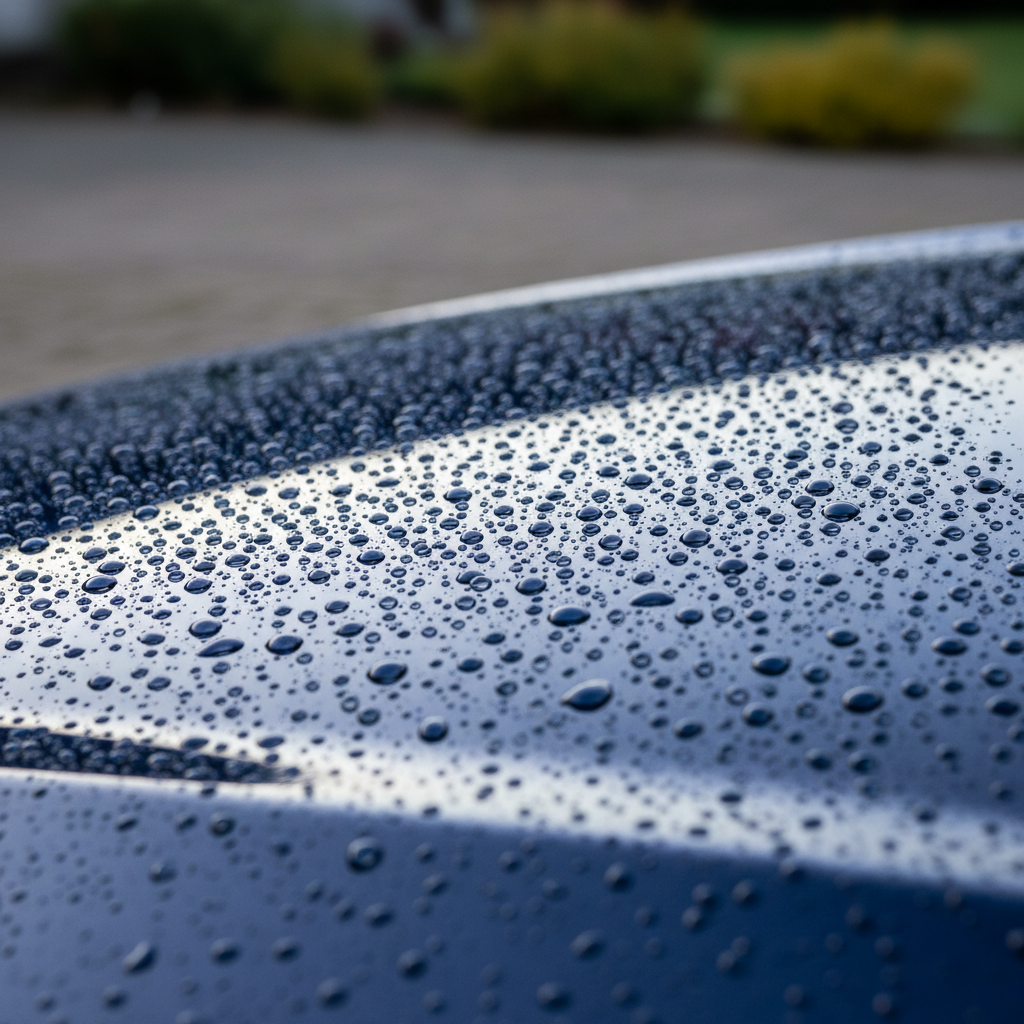
What “long lasting protection” really means in 2026
In real-world terms, long lasting protection is a mix of chemical resistance, UV resistance, and how long the surface stays easy to wash. You might still have paint protection even when the “wow” hydrophobics calm down.
According to International Detailing Association (IDA)... professional detailing standards emphasize that results depend heavily on proper surface preparation and correct application steps, not just the bottle label. That lines up with what most shops see: longevity is often an installation story.
- Durability: how long the coating layer remains intact and protective.
- Hydrophobic behavior: beading and sheeting, often fades earlier than true protection.
- Gloss and slickness: can vary based on maintenance products and wash method.
- Environmental reality: road salt, hard water, frequent tunnel washes, and hot sun shorten the “felt” lifespan.
Key point: a coating that lasts “long” on a garaged car in Arizona may feel very different on a daily driver in the Northeast winter.
Why ceramic coatings fail early (it’s not always the coating)
People hunt for the best ceramic coating for cars long lasting protection, then get tripped up by the same few issues. Most are fixable, but you have to be honest about your process.
Surface prep shortcuts
Skipping proper decontamination and paint correction often locks in embedded grime and micro-marring, then the coating bonds to a compromised surface. It may “stick,” but performance can drop fast.
High spots and uneven leveling
Ceramic coatings need careful leveling before they flash. Miss a high spot and you get smears or dark patches that look like the coating failed, when it’s really an application defect.
Wrong wash chemistry
Harsh degreasers, strong alkaline soaps, and repeated automated brushes can reduce hydrophobics and create marring. Many “my coating is dead” complaints are actually wash-induced contamination or scratches.
Mineral deposits and hard water
Water spots can mask beading and make paint look dull. In hard-water regions, long lasting protection requires a plan for drying, rinseless washes, or periodic mineral removal.
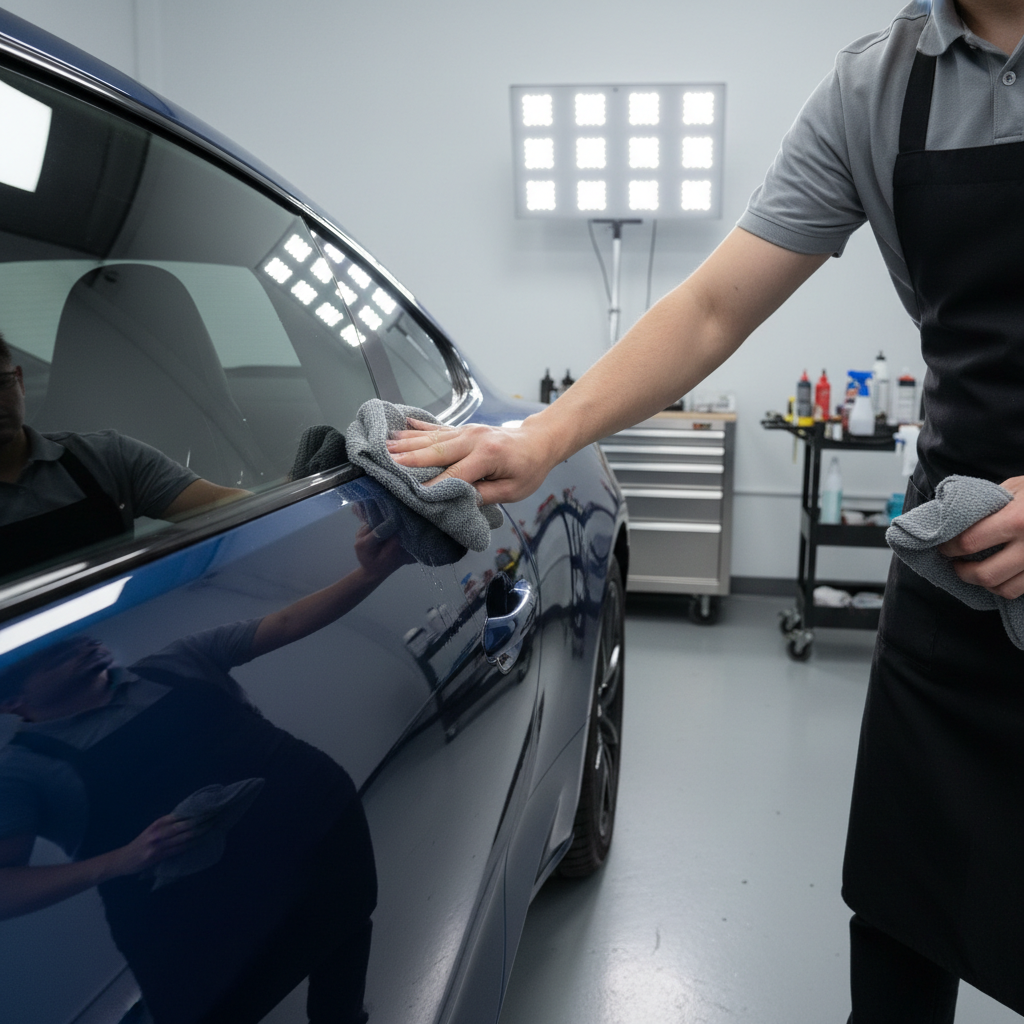
Quick self-check: what kind of coating buyer are you?
Before comparing brands, figure out which scenario fits you. It saves money and prevents the classic mistake of buying a “pro” coating for a DIY lifestyle.
- DIY weekend detailer: you can do a careful wash and light polishing, you have a garage, and you like maintaining the finish.
- Busy daily driver: you need easier washing and decent durability, but you won’t baby it every week.
- Enthusiast / show-car mindset: you want max gloss and tight beading, plus frequent maintenance toppers.
- Work truck / outdoor parking: you need chemical resistance and low-maintenance cleaning more than “mirror” perfection.
If you’re not sure, choose “busy daily driver,” it’s the most common situation, and it typically benefits from a mid-to-high durability coating with simple upkeep.
Comparing ceramic coating options: DIY vs pro vs hybrid
“Ceramic coating” is an umbrella term now. Here’s a practical comparison that matches what people actually buy in the US market.
| Type | Best for | Typical strengths | Tradeoffs |
|---|---|---|---|
| Spray ceramic sealant (SiO2 spray) | Fast protection, frequent re-application | Easy, low risk, good gloss | Shorter longevity, needs regular refresh |
| DIY ceramic coating (bottle coating) | Owners willing to prep carefully | Better durability, strong chemical resistance | Application can be unforgiving, prep time heavy |
| Pro-only coating | People paying a shop for maximum consistency | Installer experience, controlled environment | Higher cost, depends on shop quality and warranty terms |
| Hybrid/graphene-style coating | Hot climates, water-spot-prone areas | Often marketed for slickness and spotting resistance | Performance varies by brand, claims can be noisy |
Editorial take: if you want the best ceramic coating for cars long lasting protection and you won’t polish or panel-wipe correctly, a top-tier spray sealant used consistently can beat a poorly installed bottle coating.
How to choose the best ceramic coating for your car (criteria that matter)
Ignore “10H” hype and focus on criteria you can verify in your workflow. Hardness ratings are not a universal standard, and they don’t guarantee scratch-proof paint.
1) Prep tolerance and working time
DIY users should prioritize coatings with longer flash windows and clearer wipe-off behavior. If you’re working in a typical home garage, forgiving application matters as much as chemistry.
2) Chemical resistance that matches your environment
- Winter salt, brine, and grime: look for strong chemical resistance and a maintenance plan.
- Bug season and tree sap: you want easier removal without aggressive solvents.
- Hard water: prioritize coatings and toppers that help with spotting, plus careful drying.
3) Maintenance ecosystem
Some coatings perform best with a compatible topper or shampoo. That isn’t always a scam, but it can lock you into a system. If you prefer freedom, pick products known to behave well with pH-neutral shampoos and generic silica sprays.
4) Clear warranty terms (for pro installs)
If you pay a shop, read what “warranty” actually covers. Many warranties require periodic inspections or maintenance washes. That can be fair, just don’t get surprised later.
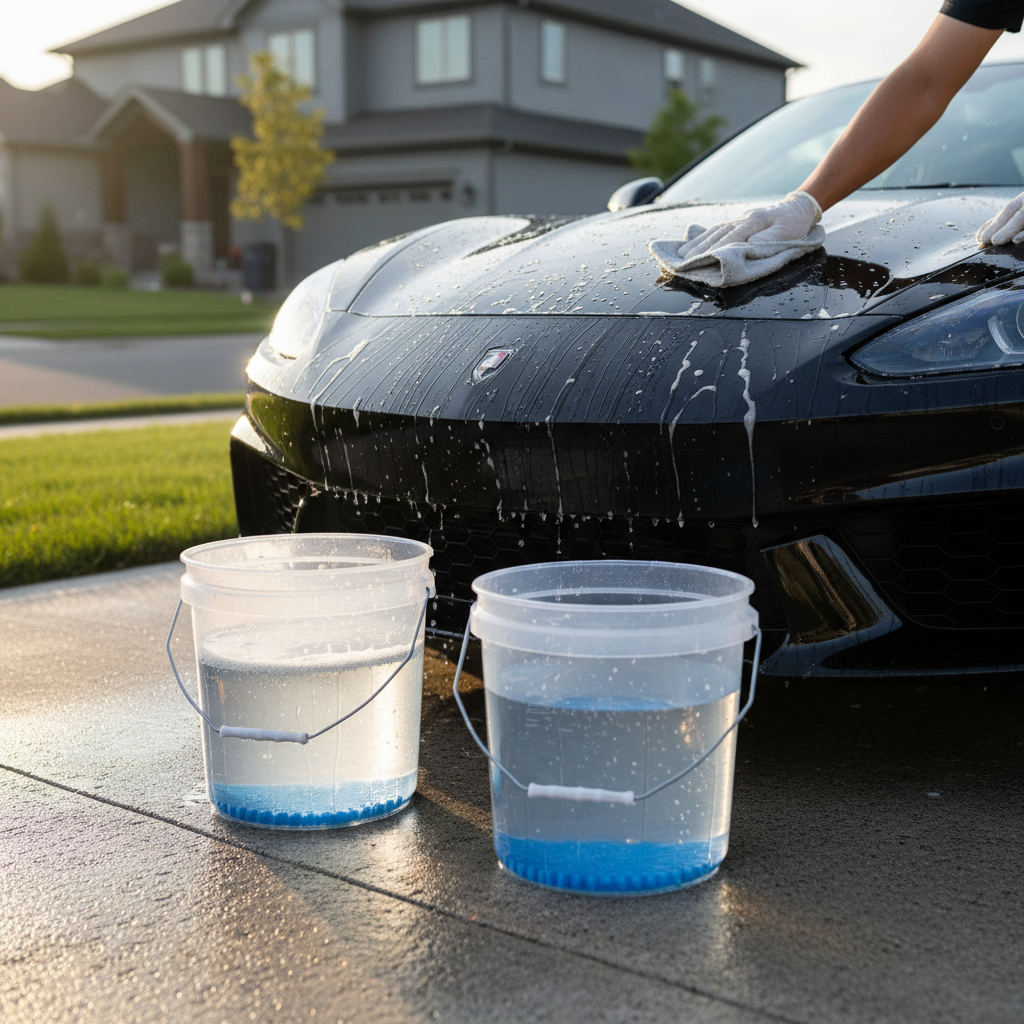
Practical steps for long lasting protection (DIY and pro)
Best ceramic coating for cars long lasting protection isn’t just a purchase, it’s a process. Here’s a workflow that holds up in most garages and detailing bays.
If you’re doing DIY
- Wash and decon: thorough wash, then iron remover and clay as needed, don’t clay aggressively on dry paint.
- Correct what bothers you: even a one-step polish can improve bonding and final look.
- Panel wipe: use a proper paint prep solution to remove polishing oils.
- Apply in small sections: work panel-by-panel, follow cure time guidance for your temperature and humidity.
- Control lighting: use strong LED lighting to catch high spots during leveling.
- Respect cure: avoid water exposure early, and skip harsh washes for the first week if the brand recommends it.
If you’re paying a shop
- Ask about correction steps: “one-step” vs “two-step” matters more than the coating tier.
- Confirm what’s included: wheels, glass, trim, and paint are often separate add-ons.
- Clarify aftercare: what shampoo, what topper schedule, and whether they offer maintenance washes.
Common mistakes that quietly reduce durability
These are the habits that shorten coating life without looking dramatic at first.
- Automatic brush washes: they add micro-scratches that make paint look “less coated,” even when protection exists.
- Letting water dry on paint: mineral deposits build, then you need stronger chemicals to remove them.
- Overusing strong APCs and wheel acids: great for heavy grime, rough on surface protection when used repeatedly.
- “Stacking” random toppers: mixing waxes, polymers, and silica products can cause streaking and weird behavior.
- Skipping periodic decon: coatings can clog with embedded road film; a gentle decon reset often restores beading.
Quick rule: if beading drops, test with a proper decon wash before assuming the coating failed.
When you should get professional help
DIY can be satisfying, but certain situations usually justify a pro, especially if you care about the finish and resale value.
- Fresh repaint or bodywork: curing timelines vary, ask the paint shop and a detailing professional before coating.
- Severe defects: heavy oxidation, deep scratches, or sanding marks often require advanced correction.
- Limited indoor space: outdoor installs can trap dust and pollen, causing high spots and rework.
- You want a documented warranty: many pro coatings tie warranty to certified installation and scheduled care.
If you’re unsure, a short consult with a reputable detailer can prevent wasted product and frustration, and they can tell you what results are realistic for your paint condition.
Conclusion: choosing what lasts for your car, not for a label
The best ceramic coating for cars long lasting protection is the one you can prep correctly, maintain with sane habits, and match to your environment. If you pick a coating tier that fits your schedule, then keep washing gentle and consistent, you usually get the “easy clean + lasting gloss” experience people expect.
Action steps: decide DIY vs pro based on your prep patience, then plan your aftercare the same day you choose the coating, shampoo, drying method, and a simple topper schedule.
FAQ
- How long does a ceramic coating really last on a daily driver?
It varies by prep, climate, and wash method. Many daily drivers see strong performance for years with good maintenance, while harsh conditions can shorten the “looks amazing” phase. - Is “10H hardness” a reliable way to pick a coating?
Not really. Hardness claims aren’t standardized across brands, and they don’t mean your paint becomes scratch-proof. Look at prep requirements, application forgiveness, and maintenance needs. - Can I apply ceramic coating without polishing?
You can, but the finish will lock in whatever swirls or haze already exist, and bonding can be less consistent if the surface has embedded contamination or oils. A light polish often pays off. - Why did my coating stop beading after a few months?
Often it’s surface contamination, mineral deposits, or detergent residue. Try a proper decon wash and safe mineral remover before calling it a failure. - Do ceramic coatings prevent rock chips?
No, coatings are thin. They help with chemical resistance and cleaning, but physical impact protection usually requires paint protection film for meaningful chip resistance. - What wash soap is safest for ceramic coatings?
In many cases, a pH-neutral shampoo and a gentle wash method work well. If you deal with heavy grime, use stronger cleaners sparingly and follow product directions. - Is graphene coating better than ceramic coating?
Sometimes it performs similarly, sometimes better in specific conditions like heat or spotting, but outcomes depend on the product and install quality. Treat “graphene” as a formulation detail, not a guarantee.
If you’re trying to narrow down the best ceramic coating for cars long lasting protection for your exact situation, tell me your vehicle color, parking (garage vs outside), and how you wash, I can help you map a realistic coating + maintenance combo that won’t turn into a weekend-long headache.