
The best car seat belt cutter and breaker is the one you can reach in one second, operate with one hand, and trust to work on modern seat belts and tempered side glass when you’re stressed, wet, or upside down.
People shop these tools after seeing a scary video, driving through flood-prone areas, or realizing their car’s safety kit is basically a flashlight with dead batteries. The hard part is that many “2-in-1” gadgets look similar online, but small design choices decide whether you actually get out.
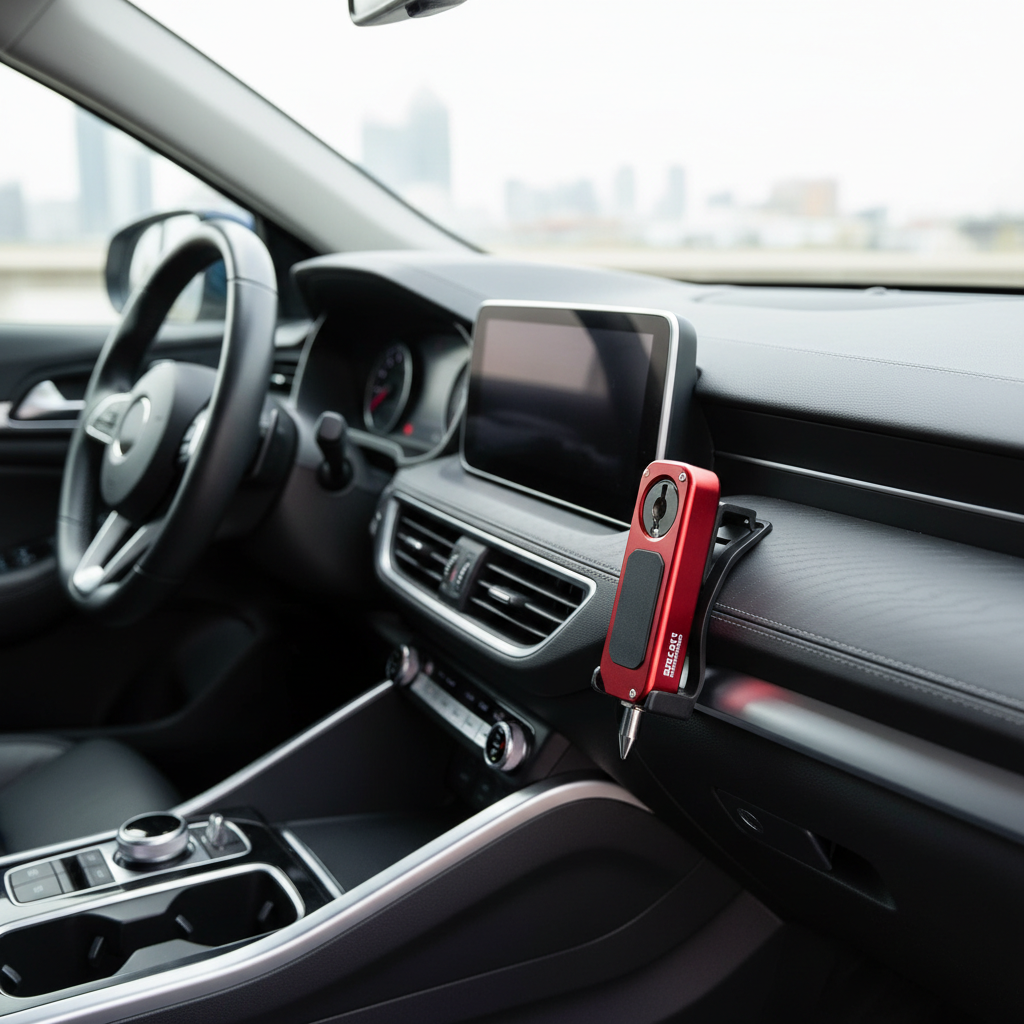
This guide stays practical, what matters in real use, what’s marketing fluff, how to mount it so it’s not buried in your glove box, and how to avoid buying a tool that works in a demo but not in your car.
What a Seat Belt Cutter & Glass Breaker Actually Does (and What It Doesn’t)
A combo escape tool is built for two fast jobs, cutting a jammed seat belt and shattering tempered side window glass so you can exit. That’s it. It’s not a rescue pry bar, not a “break any glass anywhere” wand, and not something you want to test on your windshield.
According to the National Highway Traffic Safety Administration (NHTSA), windshields are designed to stay intact in many crashes because they use laminated glass, which behaves very differently than tempered side windows.
- Seat belt cutter: A guarded blade that slices webbing without exposing a knife edge.
- Window breaker: Usually a hardened steel tip or spring-loaded punch meant for tempered glass.
If you drive a newer vehicle, it’s worth knowing some models may use laminated glass on side windows for noise reduction or security. In that case, many punch-style breakers can struggle. If you’re unsure, check your window’s etched marking, it often indicates tempered vs laminated.
Quick Comparison Table: What “Best” Usually Means
There isn’t one universal winner, because “best” depends on where you keep it, who might use it, and your vehicle’s glass type. Use this table to narrow the field fast.
| What to compare | Why it matters | Good sign | Watch out for |
|---|---|---|---|
| Mounting method | You need it reachable while belted | Clip/holster or strong mount | Loose tools rolling in console |
| Blade design | Fast cut without slipping | Guarded hook blade | Exposed blade “multitool” style |
| Breaker type | Consistent glass shatter | Spring-loaded punch or hardened tip | Soft metal tip, no brand info |
| One-hand use | Second hand may be injured/busy | Big grip, non-slip texture | Tiny keychain with slick body |
| Build quality | Tool may live in hot/cold car | Solid housing, secure blade cover | Rattly seams, flimsy cap |
Why Some Escape Tools Fail in Real Emergencies
Most people don’t fail because they “didn’t buy the right brand.” They fail because the tool is inaccessible or hard to operate under stress. A few patterns show up again and again.
- Stored too far away: glove box, trunk, or a purse in the back seat.
- Bad ergonomics: tiny body, sharp edges, hard to orient by feel in the dark.
- Wrong glass assumption: works on tempered glass demos, but your side glass may be laminated.
- Seat belt cutter snag: if the blade slot is narrow or poorly shaped, thick webbing can bunch.
- Cheap breaker tip: inconsistent hardness or weak spring means “tap tap tap” instead of a clean pop.
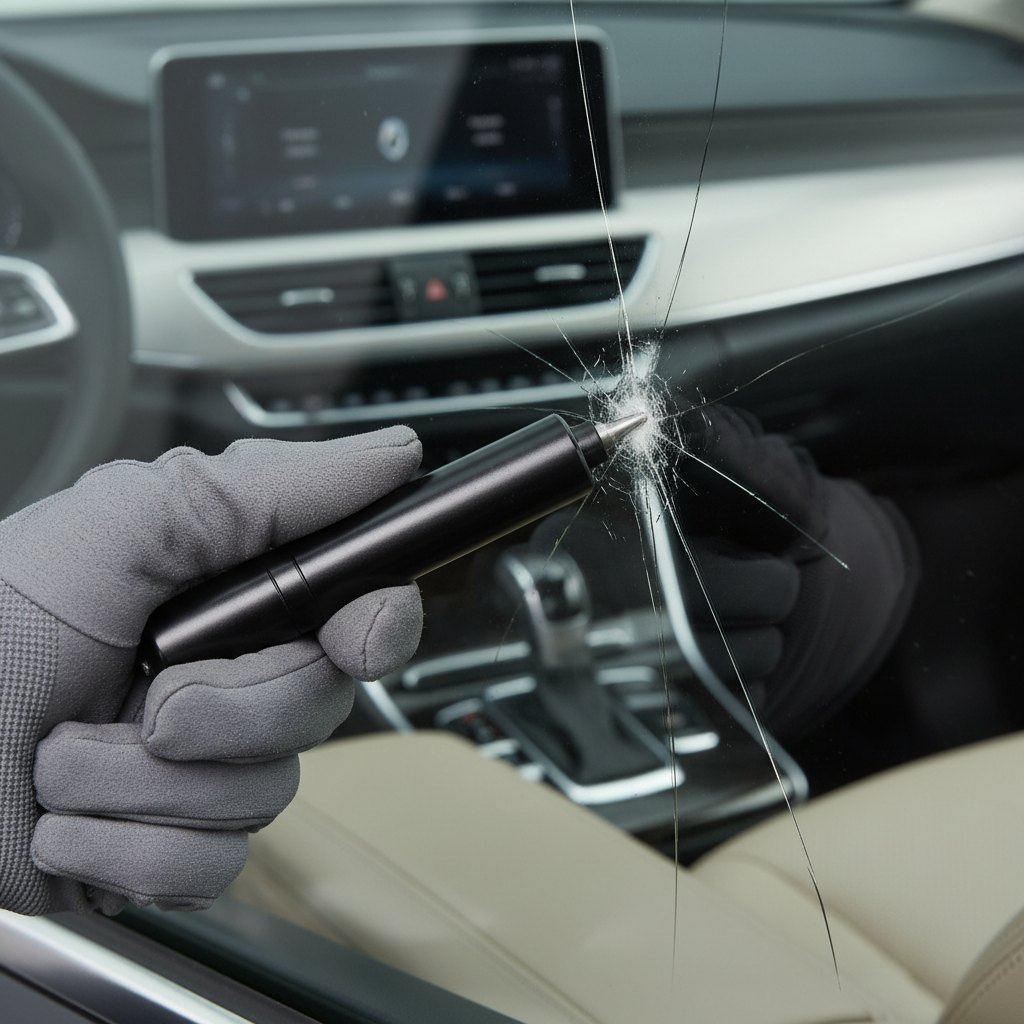
Also, many people buy one best car seat belt cutter and breaker and forget the passenger side. In a real crash, the driver might be the one who can’t reach it.
Self-Check: Which Type Fits Your Situation?
Before you shop, get clear on your constraints. Two minutes here saves you from buying a “cool” tool you never mount.
- Who needs to use it? You, teen drivers, older parents, rideshare passengers.
- Where can you mount it within reach? door pocket, center console side, seat belt pillar, visor.
- Do you want a dedicated tool or a keychain? Keychains are convenient, but easier to misplace.
- Do you park in extreme heat/cold? Materials and springs should handle temperature swings.
- Is water a realistic risk? If you drive near canals, flood zones, or boat ramps, prioritize speed and access.
If you’re buying for multiple vehicles, a consistent placement strategy matters more than obsessing over specs. Muscle memory is the point.
Buying Guide: Features That Matter Most
If you want the “best” in a realistic sense, focus on features that reduce failure points. Fancy extras are fine, but they’re not the core job.
1) A guarded cutter that feeds webbing easily
Look for a hook-style blade with a wide enough channel to catch the belt quickly. The guard should prevent accidental cuts when you’re fumbling.
- Good: wide mouth, smooth edges, firm housing around the blade.
- Less ideal: thin slot that requires precise alignment.
2) A breaker designed for consistent impact
A spring-loaded punch can be easier than a fixed spike because it creates a sharp, repeatable удар without needing a big swing. Fixed tips can still work well, but technique matters more.
Either way, plan to hit the corner of the side window, not the center, many tempered windows fail faster at edges.
3) Grip and orientation you can read by touch
In a rollover or smoky cabin, you may not see what you’re holding. Texture, finger grooves, and a shape that “tells” you which end is which can be the difference.
4) A mounting solution you’ll actually use
The best car seat belt cutter and breaker is useless if it becomes a glove box artifact. Favor tools that include a holster, clip, or mount that stays put on rough roads.
How to Store and Mount It So You Can Reach It Fast
Think like this: you’re belted in, your phone is gone, you have one hand free, and you’re disoriented. If you can still grab the tool, you did it right.
- Driver reach zone: door pocket, side of center console, lower dash area, seat-side gap organizer.
- Avoid: glove box, trunk, backpack, deep console bin under other stuff.
- For families: consider one tool near the driver and one accessible to rear passengers.
Quick sanity test, buckle in and try to reach it without leaning forward. If you need to unbuckle to reach it, placement needs a rethink.
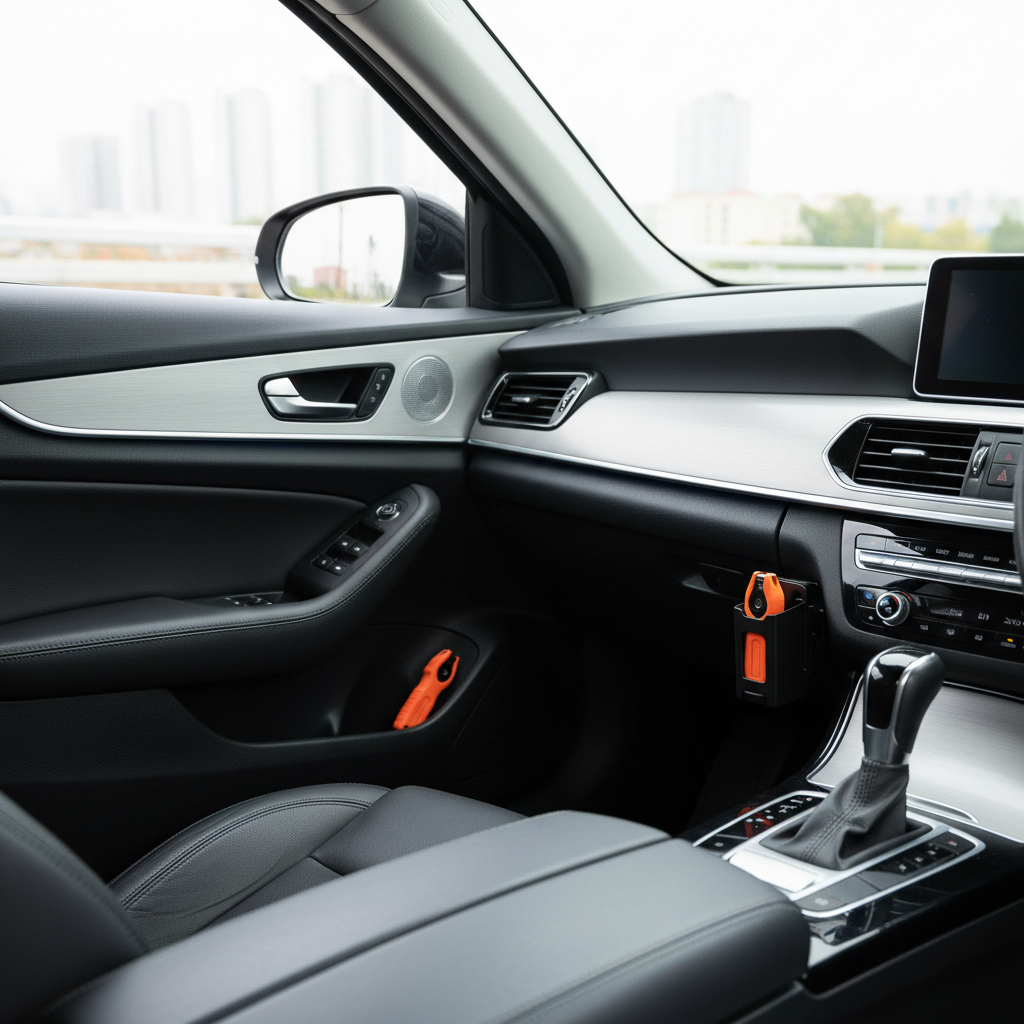
If you use a clip-on holster, confirm it doesn’t interfere with airbags or pedals, and that it won’t become a projectile in a crash.
Practical Use Steps (Seat Belt + Window), Plus Key Points
This is not training advice, and for formal guidance you may want to consult local safety professionals, but these steps reflect how most escape tools are intended to work.
Seat belt cutting
- Keep your body braced against the seat, reduce slack if possible.
- Slide the webbing into the cutter channel, aim for a single firm pull.
- Cut closer to the buckle or across the lap belt section, wherever you can control it better.
Breaking a side window
- Target a lower corner of the side window, not the windshield.
- If it’s a spring punch, press firmly until it triggers.
- Clear remaining glass with caution, then exit.
Key points to remember:
- Practice the reach, not the breaking, rehearse where your hand goes.
- In water scenarios, opening the door may be hard until pressure equalizes, a window exit may be faster.
- If you suspect laminated side glass, an escape tool may not perform as expected, keep expectations realistic.
Common Mistakes to Avoid
A few mistakes show up in reviews and post-incident stories, and they’re surprisingly avoidable.
- Buying one tool for the whole car: you may need more than one access point.
- Choosing “sharpest blade” marketing: a guarded, reliable cut matters more than razor hype.
- Assuming any glass is breakable: windshields and some side windows won’t behave like tempered glass.
- Leaving it loose: in a crash it can fly, then you’re searching for it.
- Never checking it again: mounts loosen, plastic deforms in heat, and tools disappear.
Conclusion: Picking the Best Tool Without Overthinking It
If you want the simplest decision, pick a best car seat belt cutter and breaker style tool with a guarded hook blade, a proven window-breaking mechanism, and a mount you will install today, not “someday.” Then place it where your hand naturally lands while you’re still buckled.
My practical suggestion, do a 30-second reach test in your car before you buy, and buy a second unit if your passengers can’t reach yours. Small steps, but they’re the ones that tend to hold up when things get chaotic.
FAQ
What is the best place to keep a seat belt cutter and window breaker?
Within arm’s reach while you’re buckled, door pocket, side of the center console, or a dedicated holster near the driver seat often works. If you have to lean or unbuckle, it’s probably too far.
Do window breakers work on windshields?
Usually no, because windshields are typically laminated glass and are designed to resist shattering. Aim for side windows unless you’ve confirmed your vehicle’s glass type and have a tool intended for that material.
Will a window breaker work on laminated side windows?
It might struggle. Some vehicles use laminated side glass, and punch-style tools may not “pop” it the way they do tempered glass. Checking the window marking is a practical first step.
Is a keychain escape tool good enough?
It can be, if it’s always on your keys and your keys are always within reach. In real crashes, keys can end up on the floor or out of reach, so many drivers prefer a mounted tool.
How many escape tools should I keep in my car?
Many families do well with two, one for the driver area and one accessible to passengers or the rear seat. It’s less about quantity and more about whether someone trapped can grab one quickly.
Should I test my window breaker on my own car window?
Generally not, replacing glass is expensive and risky. A better approach is to practice locating the tool and understanding the motion, and rely on product testing information from reputable manufacturers.
Do I need a separate flashlight or can the combo tool replace it?
A combo tool is focused on escape, not illumination. A small flashlight can still be useful, but it shouldn’t replace your ability to cut the belt and break the right window fast.
If you’re trying to choose a tool that feels “right” for your exact car and mounting spot, it often helps to shortlist two or three models and decide based on reach, grip, and how cleanly the holster fits your interior, that’s usually where the real-world difference shows up.