The best car polish and wax combo for your driveway setup depends less on hype and more on your paint’s condition, the tools you have, and how long you expect protection to last.
If you’ve ever polished a panel until it looks great, then watched it lose pop after a couple washes, you already know why combos matter, they’re meant to correct light defects and leave a protective layer without turning your weekend into a detailing marathon.
This guide breaks down what “polish + wax” really means in 2026, when you should use an all-in-one product versus separate steps, and how to avoid the common mistakes that leave haze, streaks, or short-lived results.
What “polish & wax combo” really means (and what it does not)
Most products marketed as a combo fall into one of two buckets, and mixing them up is where expectations go sideways.
- All-in-one (AIO): mild abrasives (polish) plus protection (wax or synthetic sealant). Designed for speed and decent results.
- Two-step “system”: a dedicated polish followed by a wax. More control, usually better correction and durability, more time.
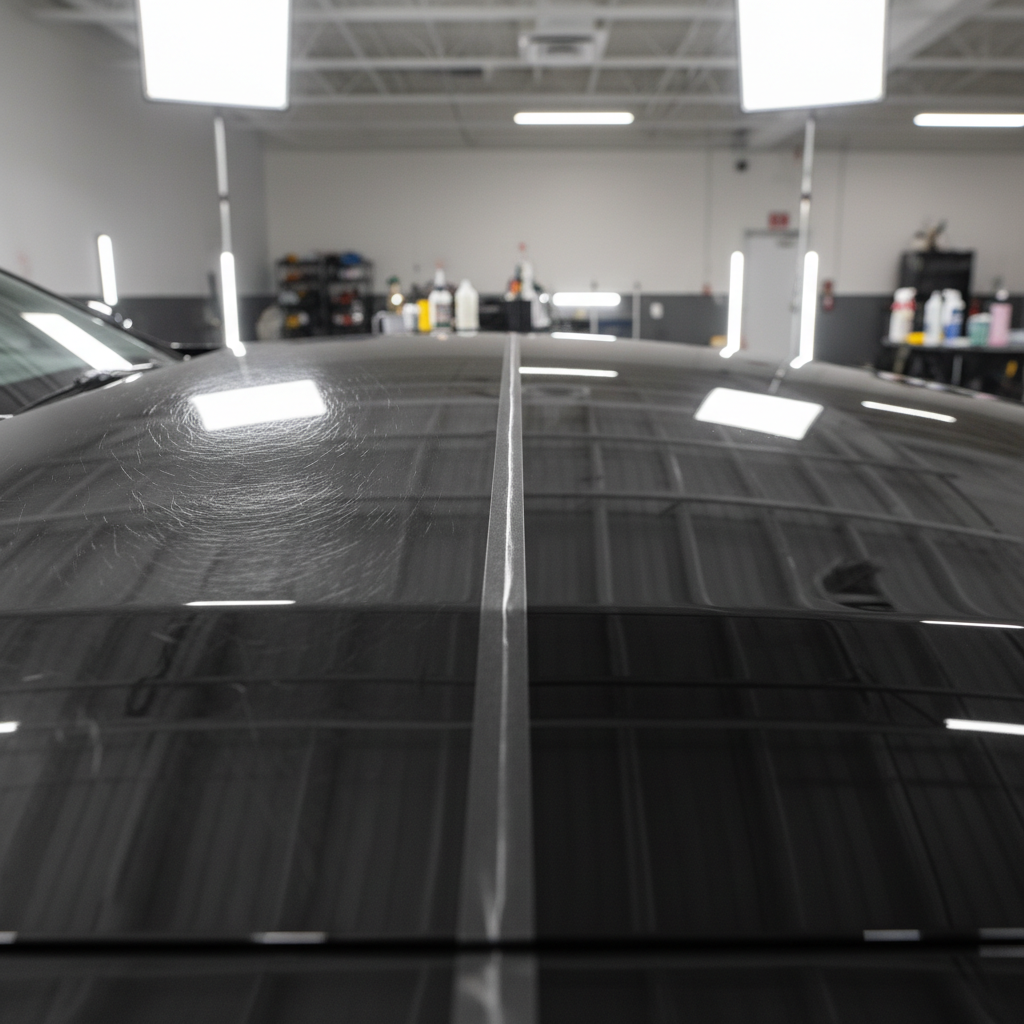
Also worth saying out loud, wax does not remove swirls by itself. If the paint has noticeable marring, the “polish” part needs real abrasives, even if they’re mild.
According to the International Detailing Association (IDA), proper paint correction centers on safe wash/decon, test-spot polishing, then protection matched to the vehicle’s use. That’s basically the same logic you’ll see reflected in the recommendations below.
How to choose the best combo for your car in 2026
If you want one shortcut rule, it’s this, choose based on paint condition and your tolerance for steps, not on the word “ceramic” on a label.
1) Paint condition: new-ish, daily driver, or neglected
- Newer paint / mostly clean: an AIO combo often works, you’re mainly enhancing gloss and laying protection.
- Daily driver swirls: you may need a dedicated polish first, then wax, especially on dark colors where haze shows.
- Oxidation or heavy defects: a combo is usually not enough, you’re in multi-step territory, and sometimes a pro makes sense.
2) Tools: by hand vs dual-action polisher
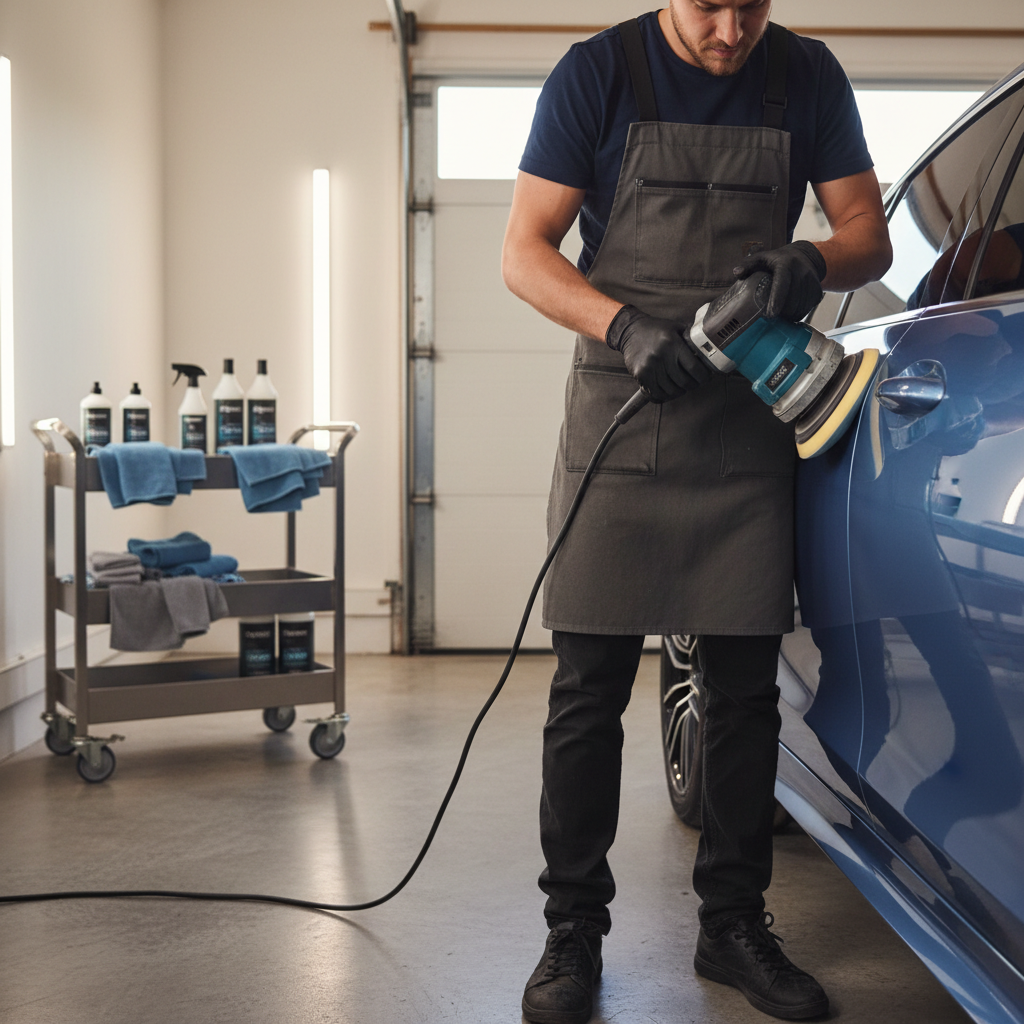
By hand, correction stays limited, you can improve clarity but you won’t truly level defects the way a dual-action machine can. With a DA polisher, the “polish” in the best car polish and wax combo actually has a chance to do its job.
3) Environment: garage, sun, humidity
- Hot panels and direct sun often cause streaking and difficult wipe-off.
- High humidity can make some waxes “sweat” or smear.
- A shaded driveway still works if you keep panels cool and work small sections.
Quick self-check: do you need an AIO combo or a true 2-step?
Run this fast checklist before buying anything. If you answer “yes” to several of these, lean toward a polish + wax as separate steps rather than a single bottle.
- You see spider-web swirls under phone flashlight at night
- Black or very dark paint shows “gray” haze after washing
- Water no longer beads or sheets, paint looks flat
- The car has never been decontaminated (clay or iron remover)
- You plan to use a DA polisher and want a noticeable jump in clarity
If most answers are “no,” an AIO can be the best car polish and wax combo for you because it fits the job and keeps the process realistic.
Comparison table: match product type to your goal
Instead of naming “one winner,” this table helps you choose what typically performs best for your situation.
| Goal | Best fit | What you’ll like | Trade-offs |
|---|---|---|---|
| Fast shine before an event | AIO combo | One-pass improvement, easy workflow | Limited correction, protection often shorter |
| Improve clarity on daily driver | Light polish + wax | Better defect reduction, better gloss “snap” | More time, more wipe-down steps |
| Longest durability without coating | Polish + synthetic sealant | Often stronger chemical resistance | Less “warm” look than some carnauba waxes |
| Hide light swirls visually | Glaze + wax | Great short-term glow | Filling effect can wash out over time |
Practical process: a driveway routine that usually works
This is the part most people want, a clean, repeatable workflow. Adjust based on whether you’re using an AIO or a two-step.
Prep (do not skip if you want the combo to last)
- Wash thoroughly with a quality car shampoo, rinse well.
- Decontaminate when paint feels gritty, many cases need an iron remover, and sometimes clay with plenty of lubricant.
- Dry fully, trapped water drips ruin wax wipe-off and can cause streaks.
Option A: Using an all-in-one combo
- Work one panel at a time, thin product, moderate pressure, overlap passes.
- Let it haze only if the label says so, many modern AIOs wipe off nearly wet.
- Flip microfiber often, a loaded towel causes smearing and “ghosting.”
Option B: Two-step polish then wax
- Do a test spot on a small area, pick the least aggressive pad/product that improves defects.
- After polishing, do a panel wipe if the wax/sealant instructions recommend it, this helps bonding and reduces surprise haze.
- Apply wax thin, wait the recommended time, then buff with clean microfiber.
According to Meguiar’s, using only as much product as needed and working in cool conditions improves wipe-off and reduces residue issues. Brands differ on exact dwell time, so the label matters more than forum lore.
Key takeaways that prevent 80% of bad results
- Thin wins, thick wax wastes product and increases streaking risk.
- Small sections keep you in control, especially in warm weather.
- Clean towels matter, fresh microfiber often fixes what people blame on “bad wax.”
- Prep decides durability, contamination blocks protection from bonding.
- Real correction needs abrasives, if defects bother you, AIO may not satisfy.
Mistakes to avoid (especially with “combo” labels)
Combo products invite a specific kind of overconfidence. These are the traps that show up the most.
- Skipping decon: wax sits on embedded grime, beading looks good for a week, then collapses.
- Overworking dry product: creates dusting, micro-marring, and wipe-off struggle.
- Mixing incompatible layers: some waxes don’t like oily glazes underneath, you may see streaking.
- Applying in direct sun: many formulas flash too fast, leaving patchy residue.
- Expecting one pass to fix everything: the best car polish and wax combo still has limits on deeper scratches.
If you’re unsure whether a residue issue is “user error” or product behavior, try a small test panel with less product, a cooler surface, and a new towel before you strip everything.
When it’s worth getting professional help
If the paint shows heavy oxidation, deep scratches you can catch with a fingernail, or widespread clear-coat failure, a consumer combo can’t realistically solve it. In those cases, a reputable detailer can measure paint thickness, choose safer correction steps, and tell you what’s possible without pushing too far.
Also, if you’re using a machine polisher for the first time and feel unsure near edges, body lines, or repainted panels, guidance from a pro or a hands-on class might save you money and stress.
Conclusion: picking a “best” combo without guessing
The best results usually come from an honest match, AIO combos make sense for light defects and quick upkeep, while a true polish-then-wax routine fits cars where clarity and durability actually matter. Pick the route that fits your paint and your patience, then focus on prep, thin application, and clean microfiber, those basics stay “2026-proof.”
If you want a simple next step, do a test spot on one door or fender this weekend, you’ll learn more from that 15 minutes than from another hour of product comparisons.
FAQ
- What is the best car polish and wax combo for beginners?
Many beginners do best with a forgiving AIO product used in the shade with quality microfiber, it reduces steps and lowers the chance of stubborn haze. - Is an all-in-one better than polish then wax?
It depends on your goal, AIO is usually “good enough” for maintenance, but a separate polish and wax tends to deliver clearer correction and more predictable protection. - Can I apply a wax combo by hand and still see a difference?
Yes, especially on lighter colors or lightly marred paint, just keep expectations realistic, you’ll get more gloss and slickness than deep swirl removal. - How long should a polish and wax combo last?
Durability varies by product and climate, washing habits and prep often matter as much as the formula, if beading drops fast, contamination or strong detergents may be the reason. - Do I need to clay before using a combo?
If paint feels rough after washing, decontamination usually helps protection last and improves smoothness, but clay can mar some finishes, so use plenty of lubricant and gentle technique. - Will a combo remove scratches?
Light defects may improve, but deeper scratches typically need stronger correction or touch-up work, and in some cases a professional evaluation is smarter.
If you’re trying to narrow down choices fast, a good approach is to decide whether you’re aiming for “quick refresh” or “noticeable correction,” then pick an AIO or a two-step kit accordingly, it’s a lot easier than chasing whatever is trending this month.