
how to diagnose car bad purge valve symptoms usually comes down to one question: is the EVAP system accidentally letting fuel vapor into the engine at the wrong time, or not letting it in at all.
If you’re seeing a check engine light, dealing with rough idle, or the car is hard to start right after filling up, the purge valve is a common suspect, but it’s not the only one. A bad gas cap, cracked EVAP hose, or a failing vent valve can look similar from the driver’s seat.
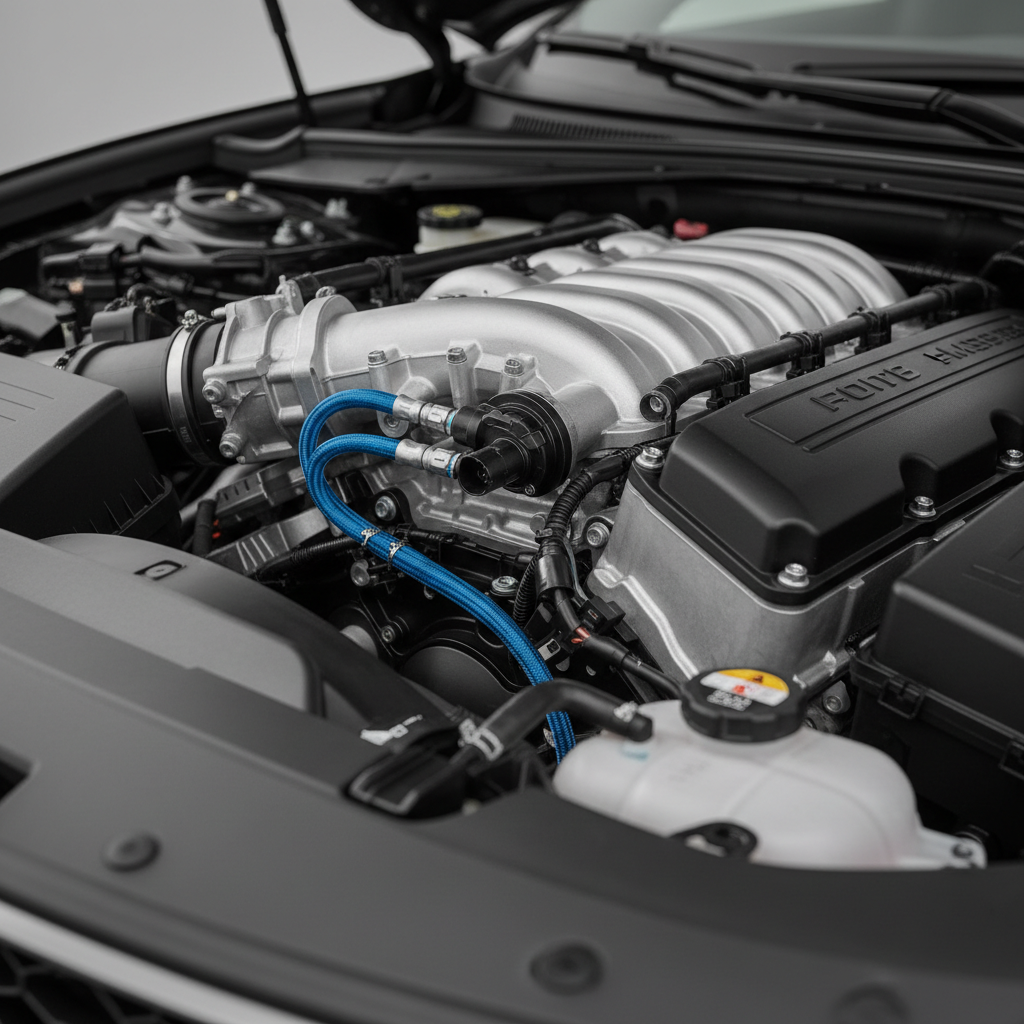
The good news is you can get pretty far with a scan tool, a few basic checks, and one or two quick tests. This guide helps you narrow it down so you’re not just throwing parts at the problem.
What the purge valve does (and why it fails)
The purge valve, often called the EVAP purge solenoid, controls when fuel vapors stored in the charcoal canister get pulled into the engine to be burned. Under normal conditions, the PCM or ECU opens the valve in measured pulses, typically once the engine is warmed up and running in the right load range.
Failures usually land in two buckets:
- Stuck open / leaking: vapors and air flow when they shouldn’t, which can upset idle and fuel trim.
- Stuck closed / not flowing: the EVAP system can’t purge, which can trigger flow-related codes and pressure issues.
Real-world causes vary by vehicle, but common ones include internal valve wear, contamination from charcoal dust, electrical coil failure, or brittle hoses creating leaks that get blamed on the valve.
Bad purge valve symptoms: what usually shows up first
Drivers rarely notice “EVAP problems” as a category, they notice annoying behavior. Here are the symptoms that most often point toward purge valve trouble, especially when they appear together.
- Check engine light with EVAP-related codes (more on codes below)
- Rough idle, stumbling at stoplights, or a random misfire feel
- Hard start after fueling (the classic one), sometimes needing extra cranking
- Fuel smell near the engine bay or around the car (not always present)
- Worse fuel economy or “off” throttle response in stop-and-go driving
One practical clue: if the car runs mostly fine at cruise but gets weird at idle or right after refueling, that pattern often fits a purge valve leaking when it should be closed.
Quick self-check: are you in the “likely purge valve” group?
Before testing, it helps to sort your situation. This doesn’t replace diagnosis, it just keeps your next steps efficient.
- You get a check engine light and the car still drives, but idle feels unstable
- Problems spike after refueling or on hot days
- You have EVAP codes plus fuel trim codes (lean/rich) rather than only EVAP codes
- You don’t see obvious cracked hoses, and the gas cap seals properly
If none of these fit and your only symptom is an EVAP small leak code, the purge valve may still be involved, but leaks in hoses, the canister, or the vent side can be more common depending on the platform.
Use a scan tool first: codes and live data that matter
If you’re serious about how to diagnose car bad purge valve symptoms without guessing, start with codes and freeze-frame data. Even a basic OBD2 reader helps, but a bidirectional scan tool makes this much easier.
Common purge-related OBD-II codes you might see:
- P0441 EVAP Incorrect Purge Flow
- P0443 Purge Control Valve Circuit
- P0455 / P0456 Gross/Small EVAP Leak (not purge-specific, but sometimes related)
- P0496 EVAP Flow During Non-Purge (often points to stuck-open purge valve)
What to look at in live data (names vary by manufacturer):
- Short-term fuel trim (STFT) at idle vs. 2,500 rpm: a purge leak tends to distort trims at idle more than at cruise.
- Purge command / duty cycle: if commanded 0% but vapor flow is still happening, that’s a red flag.
- EVAP pressure sensor readings if available: they can hint at flow when it shouldn’t occur.
According to the U.S. Environmental Protection Agency (EPA), the EVAP system is designed to prevent fuel vapors from venting to the atmosphere, so when EVAP control is off, diagnostics often show up as emissions-related fault codes and readiness issues.
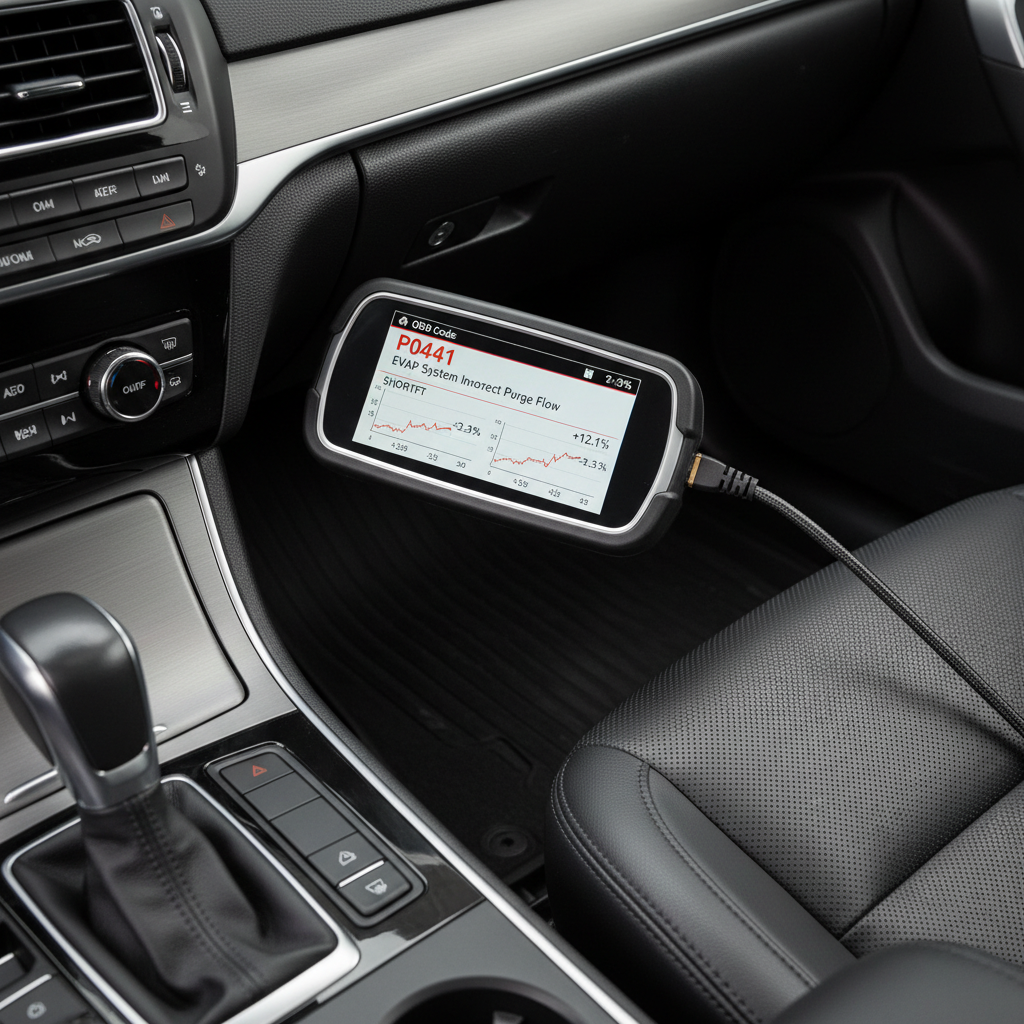
Hands-on tests that confirm (or clear) the purge valve
You don’t need a full lab setup, but you do need to be careful around fuel vapor and hot engine parts. If you’re uncomfortable, it’s reasonable to stop here and ask a shop to run EVAP functional tests.
Test 1: the “stuck open” vacuum leak check (simple and telling)
On many vehicles, the purge valve sits between the intake manifold and the EVAP line. If it leaks when closed, it acts like an intake vacuum leak.
- With the engine idling, locate the hose from the purge valve to the intake.
- Pinch the hose (using pliers with hose protection) or temporarily block it.
- If idle smooths out quickly or fuel trims stabilize, that points toward purge flow when it shouldn’t occur.
Don’t take this as absolute proof, because a split hose or a wrong routing can also change idle when pinched, but it’s a strong directional clue.
Test 2: command the purge valve with a bidirectional scan tool
If your scan tool can command purge on/off, this is one of the cleanest checks.
- Command purge from 0% to a moderate duty cycle while watching RPM and STFT.
- A healthy system often shows a noticeable change when purge increases.
- If the valve is commanded on but nothing changes, you may have a stuck-closed valve, a blocked line, or an electrical issue.
- If it changes even when commanded off, suspect a leaking valve.
Test 3: electrical sanity check with a multimeter
P0443 and similar codes can mean the coil circuit has a problem, not just the valve mechanically sticking.
- Inspect the connector for corrosion, loose pins, or oil saturation.
- Check for power and ground/control at the connector (procedure varies by vehicle).
- Measure coil resistance if service info is available for your exact model.
If you don’t have wiring diagrams or you’re not comfortable probing connectors, it’s easy to create new problems, this is a good place to hand off to a technician.
Symptoms-to-cause table: purge valve vs. common look-alikes
Here’s a quick comparison that reflects what techs often separate in the bay. It’s not perfect, but it helps you avoid the most common misdiagnosis.
| What you notice | More consistent with purge valve | Often a look-alike instead |
|---|---|---|
| Hard start right after fueling | Stuck open or leaking purge valve allowing vapor into intake | Flooding due to other EVAP routing issues, rare fuel system problems |
| Rough idle that improves off-idle | Purge valve leaking like a vacuum leak | PCV leak, intake boot crack, MAF issues |
| P0496 “flow during non-purge” | Very commonly purge valve not sealing | Wiring fault causing unintended command |
| P0456 small leak only | Possible, but not the first bet | Gas cap seal, cracked EVAP hose, leak at canister/vent |
| Strong fuel odor near rear of car | Less direct | Canister, vent valve, lines near tank |
Practical fix paths (based on what your tests show)
Once you’ve narrowed the failure mode, you can choose a fix that matches the evidence, not just the symptom.
If the purge valve is leaking/stuck open
- Replace the purge valve if it fails the command test or acts like a constant vacuum leak.
- Inspect and replace any brittle hoses at the same time; a tiny crack can mimic valve failure.
- Clear codes, then complete a few normal drive cycles so the EVAP monitor can rerun.
Tip: many people skip hose inspection, then wonder why the light comes back. This is one of those jobs where a $10 hose can matter more than the part you just installed.
If the valve seems stuck closed / no purge flow
- Check for blockages in the purge line and canister line, charcoal debris can restrict flow.
- Confirm the valve receives a command and has proper electrical power/ground.
- If electrical checks pass and flow never changes when commanded, replacement is reasonable.
If you mainly have “leak” codes (P0456/P0455)
- Start with the gas cap seal and filler neck condition.
- Look for cracked EVAP hoses and damaged quick-connect fittings.
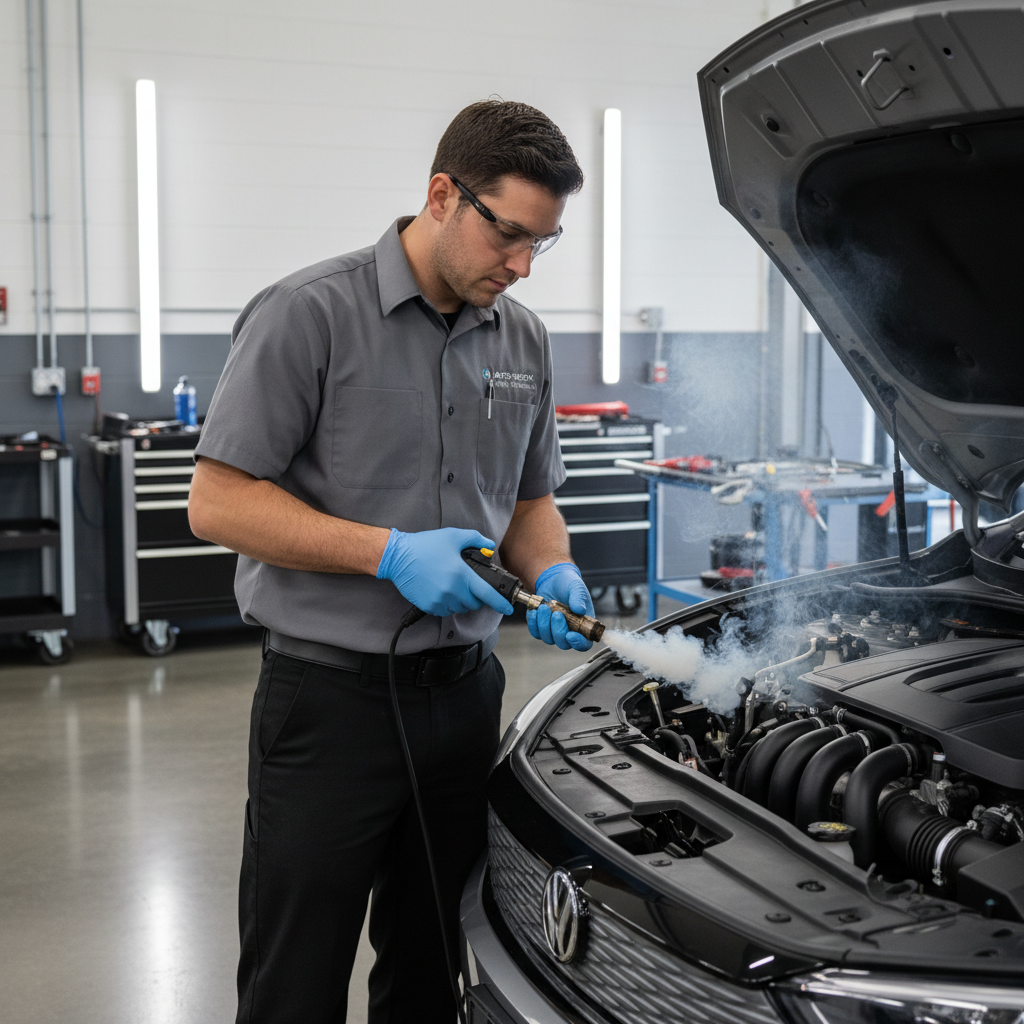
- Consider a smoke test at a shop; it’s often the fastest way to find tiny leaks.
Common mistakes that waste time (and money)
- Replacing the purge valve because of any EVAP code. Some codes point more strongly to vent-side leaks.
- Ignoring freeze-frame data. The conditions when the code set often tell you whether it was idle, cruise, hot restart, or refueling-related.
- Not confirming the electrical side on circuit codes. A broken wire can make a new valve look “bad.”
- Clearing codes without fixing the cause. The EVAP monitor may take time to reset, but if the fault remains, it will return.
And one small reality check: some vehicles are just more sensitive to EVAP issues. A slightly lazy purge valve might trip codes without dramatic drivability problems, especially when temperatures swing.
When it’s smarter to get professional help
If you smell raw fuel, see fuel dripping, or the car stalls in traffic, treat it as a safety issue and get it inspected promptly. EVAP faults are often emissions-related, but fuel vapor and poor running can create risks depending on severity.
Also consider a shop if:
- You need a smoke test or advanced EVAP functional tests
- Your scan tool can’t command actuators or view EVAP pressure data
- Codes keep returning after a purge valve replacement
- You have multiple codes across EVAP, fuel trim, and misfire systems
According to SAE International, modern OBD-II diagnostics rely on monitored system tests and enabling conditions, so repeated EVAP faults can require methodical testing rather than one-part guesses, especially when multiple monitors interact.
Key takeaways and a realistic next step
If you’re trying to pin down how to diagnose car bad purge valve symptoms, don’t start with the part, start with the pattern: rough idle plus post-fuel hard start plus a code like P0496 is very different from a lone small-leak code.
Your most efficient next step is to pull codes, look at freeze-frame, then run one confirming test: either a bidirectional purge command test or a simple “does pinching the purge line change idle” check. Once you have that answer, repairs become much more straightforward.
FAQ
Can a bad purge valve cause a rough idle but no check engine light?
Yes, it can, especially if the valve is leaking only intermittently or just enough to disturb idle without crossing the threshold for a code. If idle improves when you block the purge line, that’s a useful clue.
What code is most associated with a purge valve stuck open?
P0496 is a common one because it indicates EVAP flow when the system shouldn’t be purging. Still, confirming with a functional test matters, wiring faults can sometimes imitate the same behavior.
Is hard starting after getting gas always the purge valve?
No, but it’s one of the more common causes. If the engine feels “flooded” right after refueling, a purge valve that won’t close can push extra vapor into the intake and make starting harder.
Can I drive with a bad purge valve?
Many people do for a while, but it depends on severity. You might see poor idle, stalling, or fuel smell in worse cases, and you may fail emissions inspection readiness in many states.
How do I know if it’s the purge valve or a gas cap?
A loose or failing gas cap more often links to small-leak codes without much drivability change. A purge valve issue more often shows up as idle and restart behavior changes, plus codes like P0441 or P0496.
Do I need a smoke test to diagnose EVAP purge issues?
Not always. For “stuck open” purge symptoms, scan tool commands and idle behavior checks can be enough. Smoke tests shine when you suspect leaks in hoses, fittings, or the canister area.
After replacing the purge valve, why did the code come back?
Common reasons include a cracked hose, a connector issue, or another EVAP component problem that was present from the start. Also, some cars need a complete drive cycle before monitors set, but recurring codes usually mean a remaining fault.
If you’re getting recurring EVAP codes and want a more confident answer than guess-and-replace, using a bidirectional scan tool or having a shop run an EVAP smoke test can save time, especially when symptoms don’t line up cleanly.