
Best car oil filter for high mileage picks usually come down to one thing: can the filter keep oil pressure stable and trap more junk without starving an older engine, especially on cold starts and longer intervals.
If your car has 100k, 150k, or 200k miles, you may notice little changes that feel “normal” but aren’t always harmless, startup ticking, oil consumption, dirty oil quickly after a change, even a small seep around the filter. The oil filter is a cheap part, yet it can influence how clean the oil stays, how well anti-drainback works overnight, and how consistent flow is when the engine is hot.
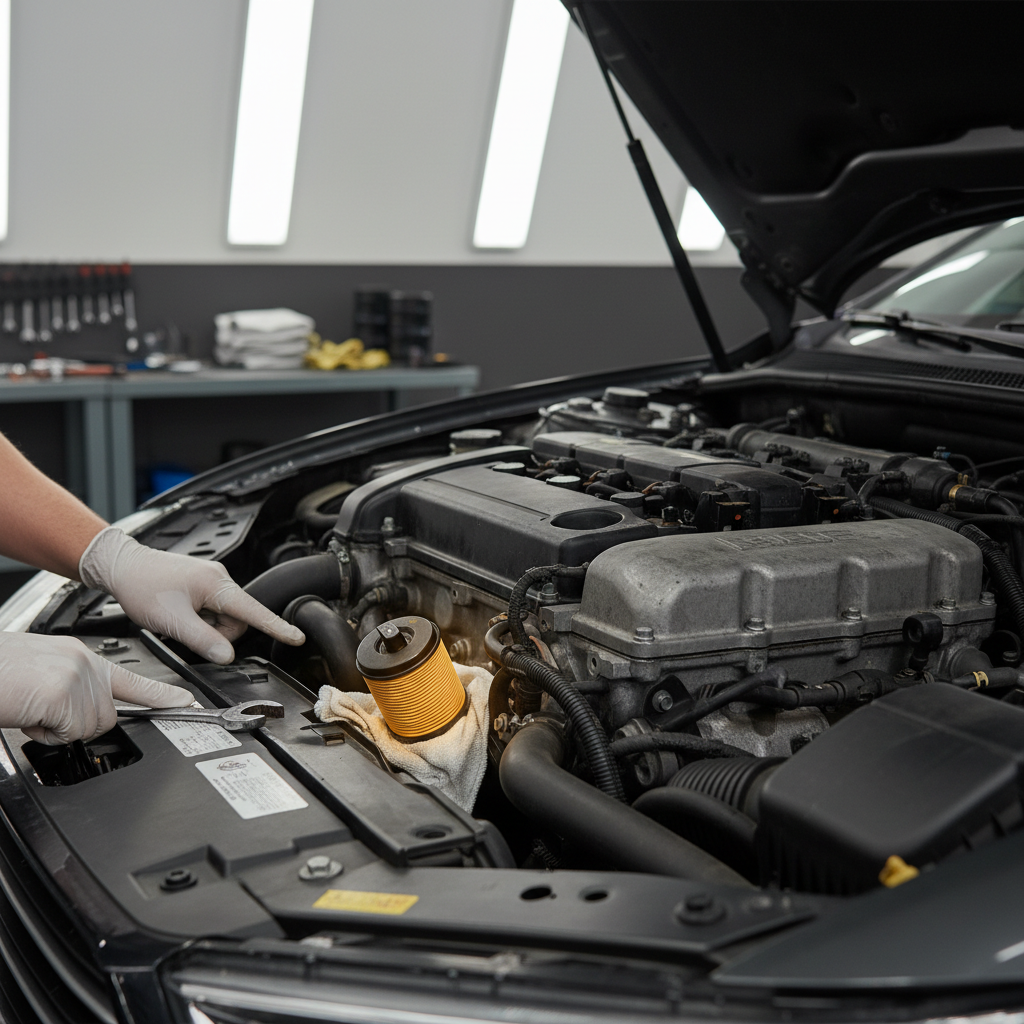
This guide narrows the noise. You’ll get a practical way to choose a filter for high mileage engines, a shortlist by driving style, and a few mistakes people make when they “upgrade” filters and accidentally create new problems.
What changes in a high-mileage engine (and why the filter matters)
Older engines tend to be less forgiving. Not because they’re “bad,” but because clearances, seals, and deposits rarely look like they did at 30k miles.
- More deposits and fine wear metals can circulate, so filtration efficiency matters more.
- Cold-start behavior becomes noticeable: a good anti-drainback valve helps keep oil in the filter so pressure builds faster after sitting.
- Oil pressure may run lower at idle on some engines, so flow restriction becomes a real consideration, not a theory.
- Extended intervals can backfire if your engine consumes oil or runs hot, a filter can’t save neglected oil.
According to SAE International... oil filtration is a balance between particle capture and maintaining adequate flow, meaning “more filtering” isn’t helpful if it causes poor oil delivery during peak demand.
Quick checklist: how to pick the right filter for your car
Before brand shopping, make sure you’re not solving the wrong problem. This is the fast triage I’d use if I were picking a best car oil filter for high mileage for a daily driver.
- Driving pattern: mostly short trips, lots of idle, or long highway runs?
- Oil change interval: 3–5k, 5–7.5k, or longer? Be honest, not aspirational.
- Symptoms: startup rattle, lifter tick, oil light flicker at hot idle, or none?
- Oil type and viscosity: conventional, synthetic blend, full synthetic, and whether you’re running a thicker grade.
- Known OEM requirements: some engines strongly prefer specific bypass valve settings or filter designs.
If you’re unsure on the exact part number, don’t guess. Use your owner’s manual or a trusted parts lookup by VIN, mismatched bypass settings or gasket dimensions cause headaches.
Top oil filter options for high mileage cars (by use case)
There isn’t one universal winner. The “best” filter depends on whether your priority is longer intervals, extra startup protection, or a safe OEM-style choice that won’t change pressure behavior.
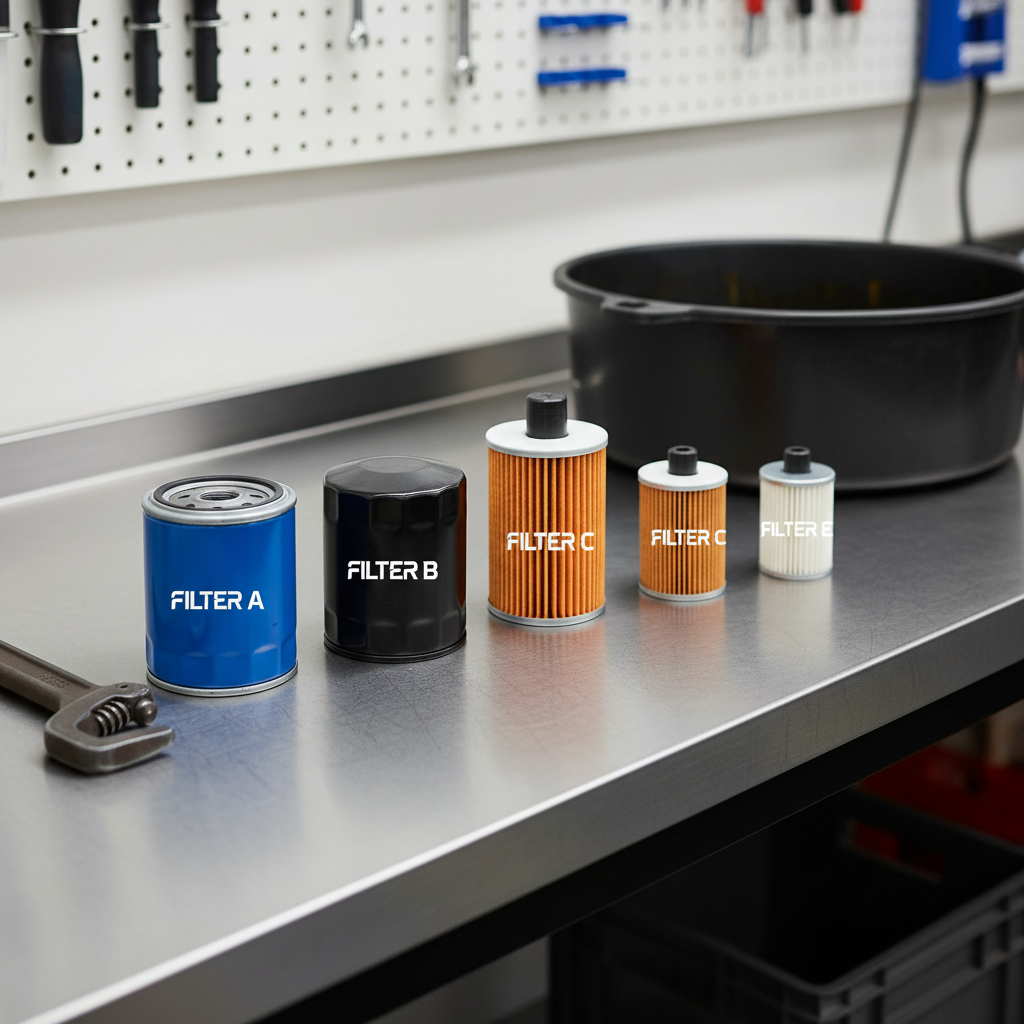
1) OEM / OEM-equivalent filters (best “no drama” choice)
If your high-mileage car runs fine and you just want consistent results, OEM or OEM-equivalent filters are usually the safest bet. They’re built around the engine’s intended bypass behavior and sealing surfaces.
- Best for: stock engines, normal intervals, anyone prioritizing predictability
- Watch for: counterfeit listings online, buy from reputable retailers
2) High-efficiency synthetic media filters (best for keeping oil cleaner)
These often capture smaller particles while still flowing well, but the design varies. For a best car oil filter for high mileage in stop-and-go driving, this category can help because oil gets contaminated faster.
- Best for: heavy commuting, dusty areas, engines that darken oil quickly
- Watch for: “ultra” filters paired with very long intervals on engines that burn oil
3) Extended-life filters (best when you truly run longer intervals)
Some filters are built with higher dirt-holding capacity so they don’t load up early. This is useful if your maintenance plan and engine condition support longer changes.
- Best for: full synthetic oil users, mostly highway driving, stable oil consumption
- Watch for: short-trip driving with long intervals, moisture and fuel dilution can become the real enemy
4) Budget filters (best when you change oil frequently)
A lower-cost filter can be fine if you change oil more often. Many high-mileage owners do 3–5k intervals because it keeps consumption and deposits in check.
- Best for: older engines with unknown history, frequent oil changes
- Watch for: weaker anti-drainback performance on some models
Side-by-side comparison table (what to prioritize)
Use this table as a decision shortcut. It’s not a brand ranking, it’s a “fit for your situation” guide.
| Filter type | Why it works for high mileage | Best driving pattern | Potential downside |
|---|---|---|---|
| OEM / OEM-equivalent | Correct bypass behavior, reliable sealing | Mixed use, normal intervals | May not maximize fine-particle capture |
| Synthetic media (high-efficiency) | Better filtration performance with good flow | Stop-and-go, dusty, lots of short trips | Can be overkill if you already change oil very often |
| Extended-life | Higher dirt-holding capacity for longer service | Highway, steady temps, full synthetic | Long intervals don’t suit every older engine |
| Budget (frequent-change strategy) | Good enough when intervals are shorter | Older engines, unknown maintenance history | ADBV quality varies a lot |
Practical buying tips (the stuff that actually prevents problems)
Most oil filter issues aren’t “bad filters,” they’re mismatches or install mistakes.
- Match the bypass valve spec when possible. If your engine expects a certain bypass pressure, keep that consistent.
- Prioritize a good anti-drainback valve if you hear startup noise. Silicone ADBVs often hold up better over time than basic rubber, though designs vary.
- Don’t oversize blindly. A larger filter can add capacity, but fitment, gasket seating, and bypass behavior must still be right.
- Buy from legit sellers. Counterfeits happen; suspiciously low prices are a signal.
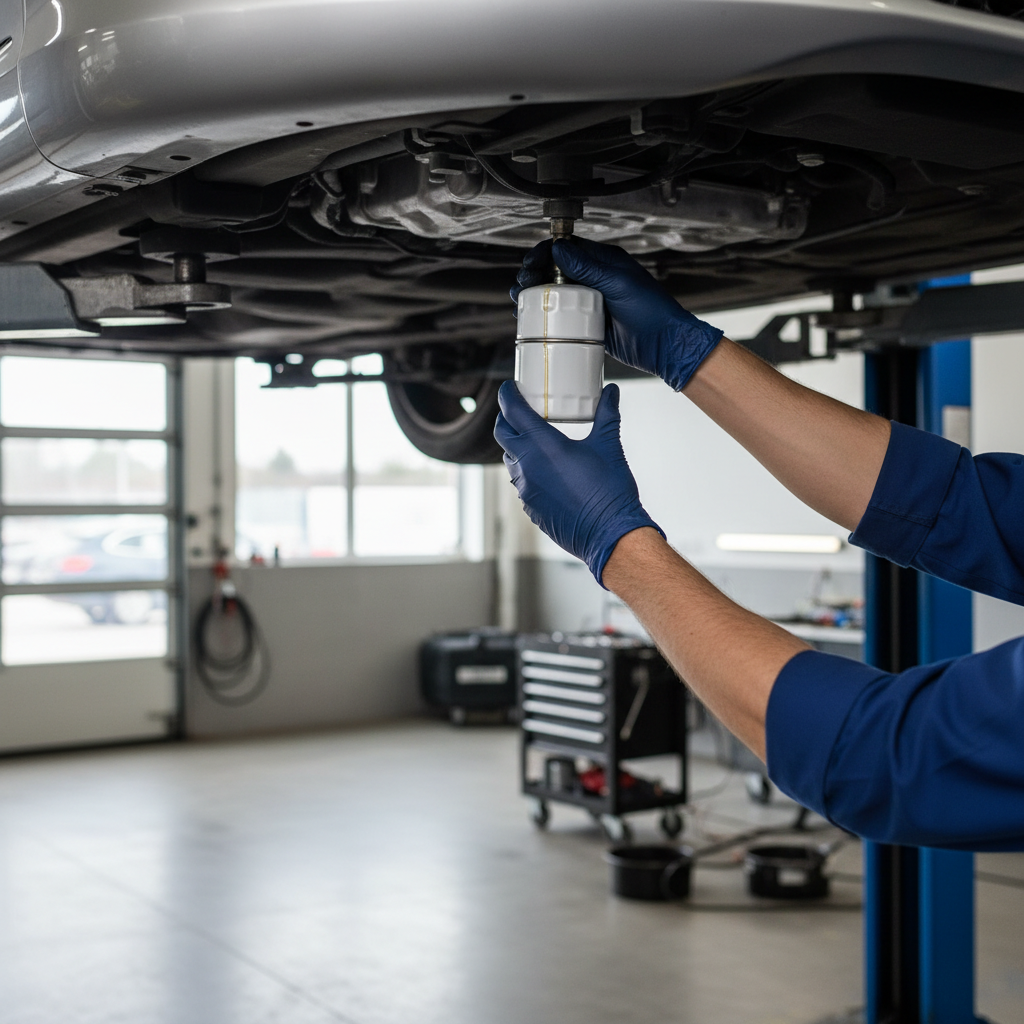
How to change your oil filter on a high-mileage car (step-by-step)
If you’re chasing the best car oil filter for high mileage but your install is sloppy, results won’t show. This is the simple version that avoids the common mess-ups.
- Warm the engine slightly so oil drains better, but avoid working on a hot exhaust.
- Drain oil, then remove the old filter. Confirm the old gasket comes off with the filter.
- Prep the new filter: lightly oil the gasket, and if orientation allows, pre-fill with fresh oil to reduce dry start time.
- Hand-tighten to spec: usually “gasket contact + 3/4 turn,” but follow the filter instructions. Wrenches are for removal most of the time.
- Start, check for leaks, then re-check the oil level after a few minutes.
According to AAA... preventive maintenance, including regular oil and filter service, helps reduce the chance of breakdowns, especially in older vehicles where small issues can snowball.
Mistakes and myths that waste money on high-mileage engines
- Myth: “Tight is safe”. Over-tightening can deform the gasket or make the next change a nightmare.
- Myth: “Best filter means longest interval”. Interval depends on driving pattern, oil quality, and engine condition, not the label.
- Mistake: ignoring oil consumption. If your engine burns oil, the sump runs low, that can matter more than filter choice.
- Mistake: switching viscosity and filter at the same time. If a new noise appears, you won’t know which change caused it.
When to get a mechanic involved
If you see oil pressure warnings, persistent knocking, or sudden heavy leaks after a change, stop driving and consult a qualified mechanic. Oil pressure issues can escalate quickly, and diagnosing the cause often requires mechanical testing rather than guesswork.
Also consider professional help if your filter housing uses a cartridge system with a plastic cap, these can crack or strip if torqued incorrectly.
Key takeaways (so you can choose fast)
- Choose by use case, OEM-style for predictability, synthetic media for cleaner oil, extended-life only if your interval and engine support it.
- High mileage friendly often means strong anti-drainback performance and correct bypass behavior, not just “premium.”
- Installation quality matters as much as the filter model.
If you want one simple move today, pick a reputable OEM-equivalent or high-efficiency filter matched to your VIN, then run a sensible interval for your driving. That’s how most people actually get the benefit without turning maintenance into a hobby.
FAQ
What is the best car oil filter for high mileage if my engine ticks on startup?
Look for a filter known for a strong anti-drainback valve, because overnight drainback is a common reason for brief startup noise. If ticking persists, oil viscosity and engine wear can also be factors.
Should I use an “extended life” oil filter on a 150,000-mile car?
Many can, but it depends on how the car’s driven and whether it burns oil. If you do lots of short trips, extending intervals may not be worth the risk.
Is a more efficient filter always better for older engines?
Not automatically. Higher efficiency can be great, but the filter still needs to maintain good flow and match bypass specs. When in doubt, stick close to OEM design intent.
Can a wrong oil filter cause a leak?
Yes. A mismatched gasket diameter, double-gasket situation, or incorrect seating can leak. If you spot fresh oil around the filter, shut down and re-check.
How often should I change the oil filter on a high-mileage vehicle?
Most people change it with every oil change. If you’re stretching intervals, confirm your filter is designed for it and that your engine isn’t consuming oil faster than you expect.
Are cheap oil filters bad if I change oil every 3,000–5,000 miles?
Not necessarily. Frequent changes reduce how much contaminant load the filter must hold. Still, quality varies, so avoid no-name options with unclear specs.
Should I upgrade to a larger oil filter for more capacity?
Sometimes it works, but “bigger” can introduce clearance issues and different bypass behavior. Only do it if you can confirm fitment and specs, or ask a parts professional.
If you’re trying to pick a best car oil filter for high mileage and you’d rather not overthink specs, bring your VIN and your typical driving pattern to a trusted parts counter or shop, they can usually match a solid OEM-equivalent option and help you avoid the common fitment traps.