
How to clean car fuel injectors without removal usually comes down to using the right cleaner, running it the right way, and knowing when “no-removal” cleaning won’t be enough.
If your car has rough idle, sluggish acceleration, or MPG that quietly dropped, dirty injectors are one common suspect, not the only one, but common enough that a careful in-tank or rail-cleaning attempt makes sense before you pay for removal.
What I like about this job is it’s realistic for most DIYers: you’re not opening the fuel rail, you’re not pulling injectors, and you’re not guessing blindly, you’re following a few checks so you don’t waste money on a “miracle bottle” when the real issue is a vacuum leak, weak ignition, or low fuel pressure.
Why fuel injectors get dirty (and what it feels like)
Injectors don’t “fail dirty” overnight, they drift. Deposits can build on the injector tip and change the spray pattern, so fuel atomizes worse, combustion becomes less consistent, and the engine starts acting picky.
- Short trips and lots of idling can leave more deposits over time.
- Lower-quality fuel can contribute, though even good fuel isn’t magic.
- Heat soak after shutdown can bake residue on injector tips in some engines.
- Long oil change intervals or PCV issues may increase intake contamination that indirectly worsens drivability symptoms.
Typical symptoms people associate with injector deposits include rough idle, hesitation on tip-in, hard starts, light surging at cruise, and a gradual MPG loss. But those same symptoms also show up with worn plugs, failing coils, dirty MAF sensors, or small vacuum leaks, so it’s worth confirming a few things before you “treat the tank.”
Quick self-check: are injectors a likely cause?
Before you decide how to clean car fuel injectors without removal, take five minutes and run a simple triage. You’re looking for “likely injector deposit behavior,” not perfect certainty.
Fast checklist (no special tools)
- Any check-engine light? If yes, scan codes first. Random misfire codes can be injectors, but often spark-related.
- Issue mostly at idle and improves off-idle? Could be injector balance, could also be vacuum leak.
- Issue under load (highway merge) feels like fuel starvation? That leans more toward fuel pressure, filter, pump, or clogged injectors.
- Recent tune-up status: if plugs are overdue, handle that first, dirty injectors might be blamed unfairly.
- Fuel quality and storage: if the car sat with old fuel, deposits become more plausible.
If you have a basic scan tool
- Look at fuel trims (STFT/LTFT). Very high positive trims can indicate unmetered air or fuel delivery issues. Trims alone won’t prove injector clogging, but they help you avoid guessing.
- Misfire counters by cylinder: one-cylinder misfire that follows no obvious ignition issue can raise suspicion toward that injector, though compression should also be considered.
According to the U.S. Environmental Protection Agency (EPA), “Top Tier” detergent gasoline programs are designed to keep engines cleaner than minimum detergent standards, so if you consistently use Top Tier fuel, you may see fewer deposit-related symptoms, though it’s not a guarantee in every driving pattern.
Choose the right no-removal cleaning method (table)
There are two realistic “without removal” approaches: an in-tank detergent cleaner (easy, slower) or a pressurized rail cleaning kit (stronger, more involved). Here’s how they compare.
| Method | Best for | Pros | Limits |
|---|---|---|---|
| In-tank injector cleaner | Mild symptoms, maintenance, steady MPG drop | Cheap, low risk, no tools | May not fix heavy deposits, results can be subtle |
| Pressurized rail cleaning (no injector removal) | Noticeable hesitation, rough idle, stronger cleaning need | More concentrated, faster feedback | Needs kit and correct adapter, higher safety risk if careless |
| “Italian tune-up” driving only | Very light deposits, mostly highway driving already | Free | Often overhyped, not a replacement for detergent cleaning |
Method 1: In-tank fuel injector cleaner (step-by-step)
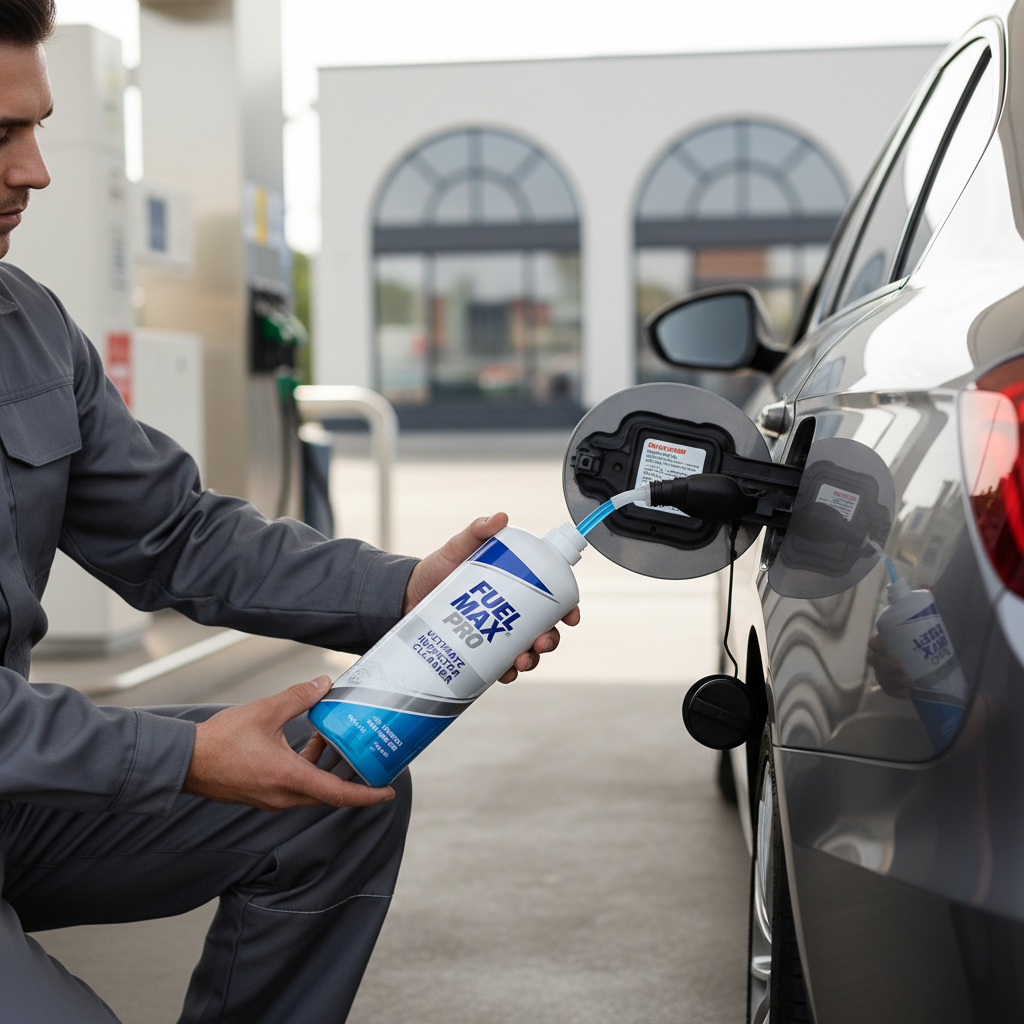
This is the most common answer to how to clean car fuel injectors without removal, and it’s the one I’d start with if your symptoms are mild or you just want a sensible maintenance reset.
Steps that usually work well
- Pick a reputable detergent cleaner that states it targets injectors and intake valves. Follow the label, don’t freestyle the dosage.
- Add it to a low-to-mid tank unless the product says otherwise, concentration matters for cleaning.
- Fill up with quality fuel, ideally Top Tier detergent gas if it’s available in your area.
- Drive it through: a longer drive with steady engine temperature tends to show results more clearly than stop-and-go.
- Evaluate after one full tank. If you felt no change at all, a second treatment can be reasonable, but more than that starts turning into hope instead of diagnosis.
Key point: if the car runs worse right after adding cleaner, stop and re-check basics, and consider that you may have another issue showing up, not “cleaner damage.” If the engine stumbles severely or the check-engine light flashes, it’s safer to avoid hard driving and get it checked.
Method 2: Pressurized fuel rail cleaning (stronger, still no removal)
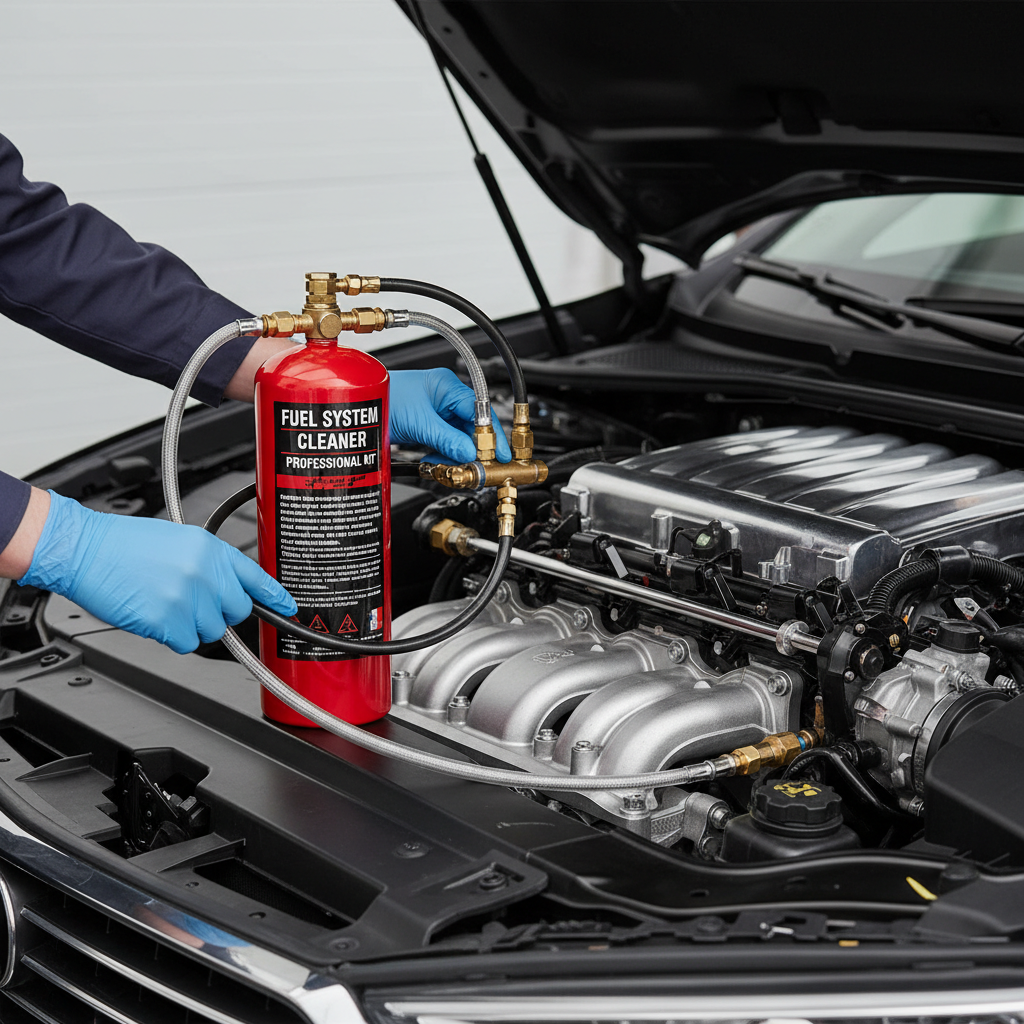
If you want a more aggressive no-removal approach, a rail cleaning kit feeds concentrated cleaner into the fuel system while the engine runs. This can be effective, but it also has more ways to go wrong if you’re rushing.
Before you start: safety and compatibility
- Work outdoors or in a well-ventilated area, keep sparks/flames away, and have a fire extinguisher rated for flammable liquids.
- Verify you have the right adapter for your vehicle’s fuel service port or fuel line connection.
- Read your vehicle service info for fuel pressure relief steps. Fuel under pressure can spray farther than you expect.
General procedure (varies by kit and vehicle)
- Relieve fuel pressure, then connect the kit to the service port or the specified line connection.
- Disable the fuel pump as instructed (often by pulling a fuse/relay) so the engine runs on the cleaning solution, not fresh gasoline.
- Set kit pressure to the recommended range for your system, then run the engine for the time specified by the cleaner and tool manufacturer.
- Shut down, reconnect everything, reinstall fuse/relay, cycle the key, and check carefully for leaks before driving.
According to NHTSA, fuel leaks create fire risk, so if you smell raw fuel after reassembly, see wet fittings, or notice a fuel pressure drop, stop and correct the leak before you drive.
What results to expect (and how to tell it worked)
Injector cleaning success is often boring in the best way: smoother idle, less hesitation, slightly better throttle response. Huge overnight transformations do happen sometimes, but many cases land in the “subtle improvement” bucket.
- Idle quality: fewer RPM dips when the A/C cycles.
- Cold start: less cranking time, fewer stumbles in the first minute.
- Driveability: reduced light surging at steady speeds.
- MPG: measure over a couple fill-ups, not one trip.
Also be honest about the baseline: if plugs, air filter, or a dirty throttle body are overdue, you may attribute improvements to injector cleaning when it’s really those basics carrying the change.

Common mistakes that waste money (or create new problems)
- Using multiple cleaners back-to-back because the first tank didn’t “wow” you. Give it time, then reassess symptoms.
- Overdosing the product. More solvent isn’t always better, and labels exist for a reason.
- Skipping code scanning when the check-engine light is on. You can’t clean your way out of a failed coil or vacuum leak.
- Assuming all rough idle is injector-related. Dirty MAF sensors, PCV issues, and intake leaks mimic injector issues convincingly.
- Doing rail cleaning without leak checks. The cleaning step is optional, a fuel leak is not.
Quick reality check: if your engine has mechanical problems (low compression, burnt valve) a cleaner won’t restore performance, it might only delay a proper diagnosis.
When to stop DIY and get professional help
There’s a point where the smart move is paying for diagnosis, not another bottle. Consider a shop if any of these show up.
- Flashing check-engine light or severe misfire, which can damage the catalytic converter.
- Strong fuel smell, visible leaks, or fuel dripping after any cleaning attempt.
- P030X cylinder-specific misfire that persists after swapping ignition parts, a shop can perform injector balance tests and fuel pressure tests.
- Direct injection concerns: many DI engines have separate issues like intake valve carbon buildup; injector cleaning may help, but may not address the whole drivability picture.
- No improvement after two thoughtful attempts (one maintenance cleaner, one stronger method), you’re likely chasing the wrong cause.
Shops can also do ultrasonic injector cleaning, flow testing, or pinpoint tests with proper gauges. That’s often where the guessing stops.
Conclusion: a practical plan that usually works
If you’re trying to decide how to clean car fuel injectors without removal, start with an in-tank detergent cleaner and one full tank of evaluation, then move to pressurized rail cleaning only if symptoms justify the extra effort and you can do it safely.
My simple action plan: scan for codes first, handle overdue spark plugs if needed, then do one quality cleaner treatment and judge changes over real driving, not a five-minute idle test. If the car still runs rough, stop buying bottles and book a diagnostic, it’s often cheaper than chasing guesses.
FAQ
How long does it take for injector cleaner to work?
Many people notice changes within a drive or two, but it’s more reliable to judge after you’ve burned most of the treated tank. If your symptoms only happen cold, give it a few cold starts before deciding.
Can I clean fuel injectors without removal on a direct-injection engine?
Often yes for injector tip deposits, but direct injection engines can also develop intake valve carbon since fuel doesn’t wash the valves. If your issue is mainly cold-start misfire or persistent rough idle, you may need a broader diagnosis than injector cleaning alone.
Will injector cleaner fix a misfire?
It might help if the misfire comes from uneven fueling due to deposits, but many misfires come from ignition or vacuum issues. A code scan and basic ignition check usually saves time here.
Is pressurized fuel rail cleaning safe for DIY?
It can be, but only if you follow the kit instructions, relieve pressure correctly, and check for leaks carefully. If you’re uncomfortable working around fuel under pressure, a shop visit is the safer call.
How often should I use an in-tank injector cleaner?
For many drivers, occasional use as maintenance can be reasonable, but the interval depends on fuel quality and driving style. If you already use Top Tier gasoline and drive mostly highway, you may not need it often.
What are signs the problem is not dirty injectors?
A consistent cylinder-specific misfire that ignores cleaning, very high fuel trims from a vacuum leak, low fuel pressure, or clear ignition failures are all signs to pivot away from injector deposits.
Can injector cleaner damage my engine?
Used as directed, reputable cleaners are generally intended for normal fuel systems. Problems tend to come from overuse, mixing products, or ignoring serious symptoms like a flashing check-engine light.
If you’re trying to improve rough idle or hesitation and you’d rather avoid injector removal, it can help to pick one method, follow it cleanly, and track results with a simple scan tool, if you want a more hands-off route, a reputable local shop can run a fuel pressure and injector balance check and tell you quickly whether cleaning even makes sense for your symptoms.