
Best fuel injector cleaner additive shopping gets confusing fast because the bottle promises are loud, but your problem might not even be “dirty injectors.” If your car feels hesitant, idles rough, or mileage slips, an injector cleaner can help in many situations, but only when the symptoms match.
This guide walks you through what injector cleaners actually do, which ingredients matter, and how to pick a product that fits your driving pattern. I’ll also call out the common misfires people make, like pouring in a random cleaner when the real issue is a failing ignition coil or a vacuum leak.
One more expectation-setting thing, a fuel additive is maintenance, not magic. If you’re chasing a check engine light, you still need diagnostics, but for mild-to-moderate deposit buildup, the right cleaner can be a practical, low-effort step.
What fuel injector cleaner additives can (and can’t) fix
Fuel injector cleaner additives are designed to dissolve and remove deposits in the fuel system, typically targeting injector tips, intake valves (on some engines), and combustion chamber deposits. The goal is restoring spray pattern and improving fuel atomization, which can smooth idle and reduce hesitation.
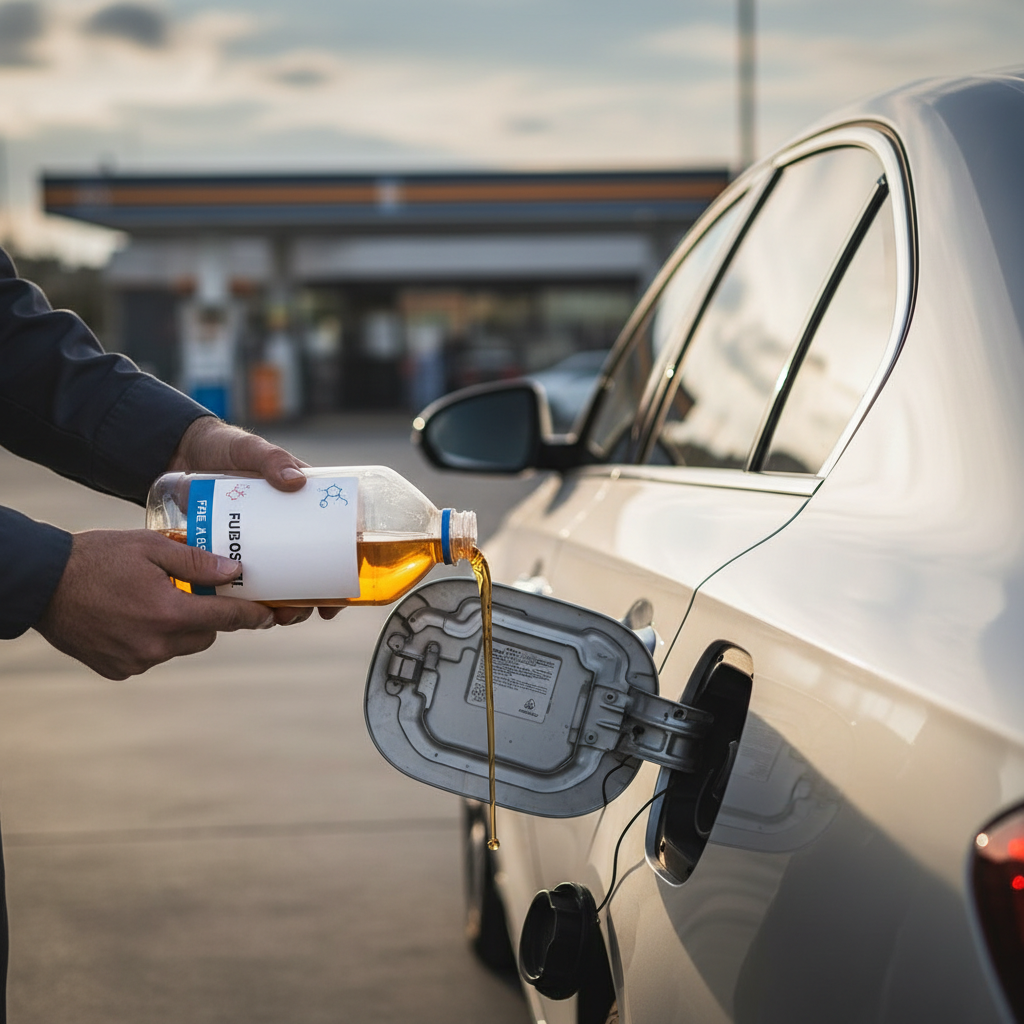
Where they usually help most:
- Light hesitation or stumble during acceleration, especially after lots of short trips
- Rough idle that comes and goes (and no hard misfire)
- Gradual MPG decline with no obvious mechanical cause
- Preventive maintenance for vehicles that sit, or see a lot of stop-and-go
Where they often won’t help much:
- Active misfire codes (P0300–P030x), usually ignition, vacuum leak, injector electrical fault, compression, or fueling control
- Bad fuel pump or clogged fuel filter causing low pressure
- Severe injector clogging that needs pressurized on-car cleaning or off-car ultrasonic service
- Direct-injection intake valve buildup, many DI engines need intake cleaning methods beyond a tank additive
According to the U.S. Environmental Protection Agency (EPA), most gasoline sold in the U.S. contains deposit-control additives, and “Top Tier” fuels include higher levels of these detergents. That matters because if you already run Top Tier fuel consistently, you may notice smaller changes from a cleaner, though it can still help if your driving pattern promotes deposits.
Ingredients that actually matter (and marketing that doesn’t)
In practice, the best fuel injector cleaner additive choices usually share one trait, they rely on strong detergents that survive combustion and keep working through the system.
Look for PEA (polyether amine)
PEA is widely regarded in the automotive world as one of the most effective detergent chemistries for removing stubborn deposits. Many reputable “complete system” cleaners use it, especially products positioned for deep cleaning rather than light maintenance.
PIBA/PBA are common, often milder
You’ll also see detergents like PIBA (polyisobutylene amine) and PBA (polybutene amine). These can be useful for ongoing cleanliness, but many drivers report the most noticeable results when a PEA-based cleaner is used periodically, then a milder maintenance approach after.
What to treat as noise
- “Works instantly” claims, meaningful deposit removal usually takes a full treated tank, sometimes more than one
- Octane boost language, injector cleaning is different from increasing octane
- “Fixes check engine lights”, a cleaner might reduce symptoms if deposits contributed, but it’s not a diagnostic tool
Quick self-check: do you actually need an injector cleaner?
Before you buy anything, run a quick reality check. It saves money and prevents disappointment.
- Your symptoms are mild-to-moderate, slight stumble, occasional roughness, gradual MPG drop
- No flashing check engine light, flashing often indicates a serious misfire that can damage the catalytic converter
- You drive lots of short trips or the car sits for weeks at a time
- You’ve been using non-Top-Tier fuel frequently, or you’re unsure of the fuel quality
- Basic maintenance is current, air filter, spark plugs (when due), and no obvious vacuum leaks
If you’re nodding at most of these, trying a quality best fuel injector cleaner additive option makes sense. If not, you may be better served scanning for trouble codes or having a shop smoke-test for leaks.
Comparison table: how to choose the “best” for your situation
There isn’t one universal winner because “best” depends on your goal: deep clean, maintenance, or older high-mileage drivability support. Use this table to narrow the type.
| Goal | What to look for | Best use case | Watch-outs |
|---|---|---|---|
| Deep cleaning | PEA-based “complete system” cleaner | Hesitation, rough idle, long interval since last cleaning | Follow dosage exactly, don’t double-dose |
| Ongoing maintenance | Detergent-focused cleaner, often milder than deep-clean | Mostly healthy car, prevention every few thousand miles | Expect subtle results, not dramatic changes |
| High-mileage drivability | Cleaner plus stabilizers or upper-cylinder lubricant claims | Older engines that feel a bit tired, long commutes | Not a substitute for mechanical fixes (leaks, compression) |
How to use a fuel injector cleaner additive (so it actually has a chance to work)
This part looks simple, but it’s where people accidentally reduce effectiveness. The biggest mistakes are treating the wrong fuel volume and quitting before the treated tank is burned.

Practical steps
- Match the bottle to your tank size, many products are “one bottle treats up to X gallons.” Don’t guess.
- Add it before you fill up, the incoming fuel helps mix it.
- Drive the full treated tank, avoid letting it sit half-used for weeks.
- Include some highway driving if possible, steady load and longer run time often help the cleaning process.
- Give it time, improvements may show mid-tank or after the next fill, especially if deposits were moderate.
How often?
Intervals vary by product and vehicle. A common real-world pattern is using a deeper cleaner occasionally (for example, around an oil change cadence) and leaning on Top Tier gasoline for day-to-day deposit control. If your owner’s manual recommends a cleaner or references detergent gasoline, follow that first.
Common mistakes and safety notes (worth reading once)
If you want results, avoid the “more is better” mindset. Additives are chemistry, not seasoning.
- Don’t stack multiple additives in the same tank unless the manufacturer explicitly says it’s compatible.
- Don’t double-dose hoping for a faster fix, you can create drivability issues and waste money.
- Be careful with two-stroke oil or improvised blends, some internet recipes can increase deposits or harm emissions components.
- Diesel vs gas matters, a gasoline injector cleaner is not the same as a diesel additive.
- Use caution with older vehicles and brittle fuel systems, cleaning can sometimes reveal existing weak points; if you smell fuel or see leaks, stop and get it checked.
According to the Federal Trade Commission (FTC), performance claims in advertising can be overstated, and consumers should look for clear usage directions and credible documentation rather than vague promises. In plain terms, buy from reputable brands, follow directions, and judge results realistically.
When an additive isn’t enough: signs you should diagnose deeper
A best fuel injector cleaner additive can be a smart first move, but certain signs point to problems a bottle won’t solve.
- Check engine light flashing or strong raw-fuel smell
- Persistent misfires under load, especially with codes stored
- Hard starts that worsen quickly, not gradually
- Noticeable power loss that feels sudden
- Fuel trims way off (if you scan OBD-II data), could be air leaks, sensor issues, or fuel pressure problems
If any of these show up, a shop can test fuel pressure, injector balance, ignition health, and intake leaks. In many cases that’s cheaper than repeated “hopeful” bottles.
Key takeaways and what to do next
If you’re trying to pick the best fuel injector cleaner additive, focus less on hype and more on the detergent chemistry, your symptoms, and your fueling habits. A PEA-based cleaner is often the most sensible choice for a periodic deep clean, and Top Tier gasoline can reduce how often you need to think about additives at all.
Action steps that usually make sense: choose a reputable PEA cleaner sized for your tank, run it through a full tank with at least one longer drive, then reassess idle quality and throttle response. If symptoms stay sharp or the check engine light shows up, switch from “additive mode” to diagnostics.
FAQ
What is the best fuel injector cleaner additive for everyday driving?
For everyday use, many drivers do well with a maintenance-style cleaner used occasionally, plus consistent Top Tier gasoline. If you’re chasing noticeable hesitation, a PEA-based cleaner tends to be the more purposeful pick.
Do fuel injector cleaners work on direct-injection (GDI) engines?
They can help clean injectors and combustion-related deposits, but they often won’t remove intake valve deposits on many GDI engines because fuel doesn’t wash the back of the valves. If intake buildup is the issue, you may need a different cleaning method.
How long does it take to notice results?
Often somewhere within one treated tank, though changes can be subtle. If deposits were heavier, it may take a second treatment at a later interval, but repeated back-to-back dosing usually isn’t a great idea.
Can an injector cleaner fix a check engine light?
Sometimes it can reduce a condition that contributed to a light, but it’s not dependable as a fix. If the light is on, pulling codes is the better first step so you’re not guessing.
Is it safe to use injector cleaner every fill-up?
Usually unnecessary, and it can be wasteful. Follow the product label and your owner’s manual. If you want a “do less, worry less” approach, consistent Top Tier fuel is often the simpler habit.
Should I add injector cleaner to a near-empty or full tank?
Add it before filling up so it mixes well, and make sure the total gallons match the treatment instructions. If the dosage is for 15 gallons and you only add 7, concentration can be off.
What if my car runs worse after using a cleaner?
Stop adding more products. If the issue is mild, finish the tank and reassess; if it’s severe, or you get a flashing light, get the car checked since the underlying problem may not be deposits.
If you’re trying to choose a best fuel injector cleaner additive without overthinking it, a simple plan is to pick a reputable PEA-based cleaner for an occasional deep clean, then rely on good-quality fuel and normal maintenance to keep things stable, it’s usually the most “set it and forget it” route.