
Best car battery for cold weather choices come down to one thing you feel immediately on a sub-zero morning: cranking power that still holds up when chemistry slows down.
If you’ve ever heard the starter drag, watched lights dim, then got that dreaded click, you already know winter doesn’t “reveal” battery problems, it accelerates them. Cold weather increases engine oil resistance and reduces available battery output at the same time, which is a rough combination.
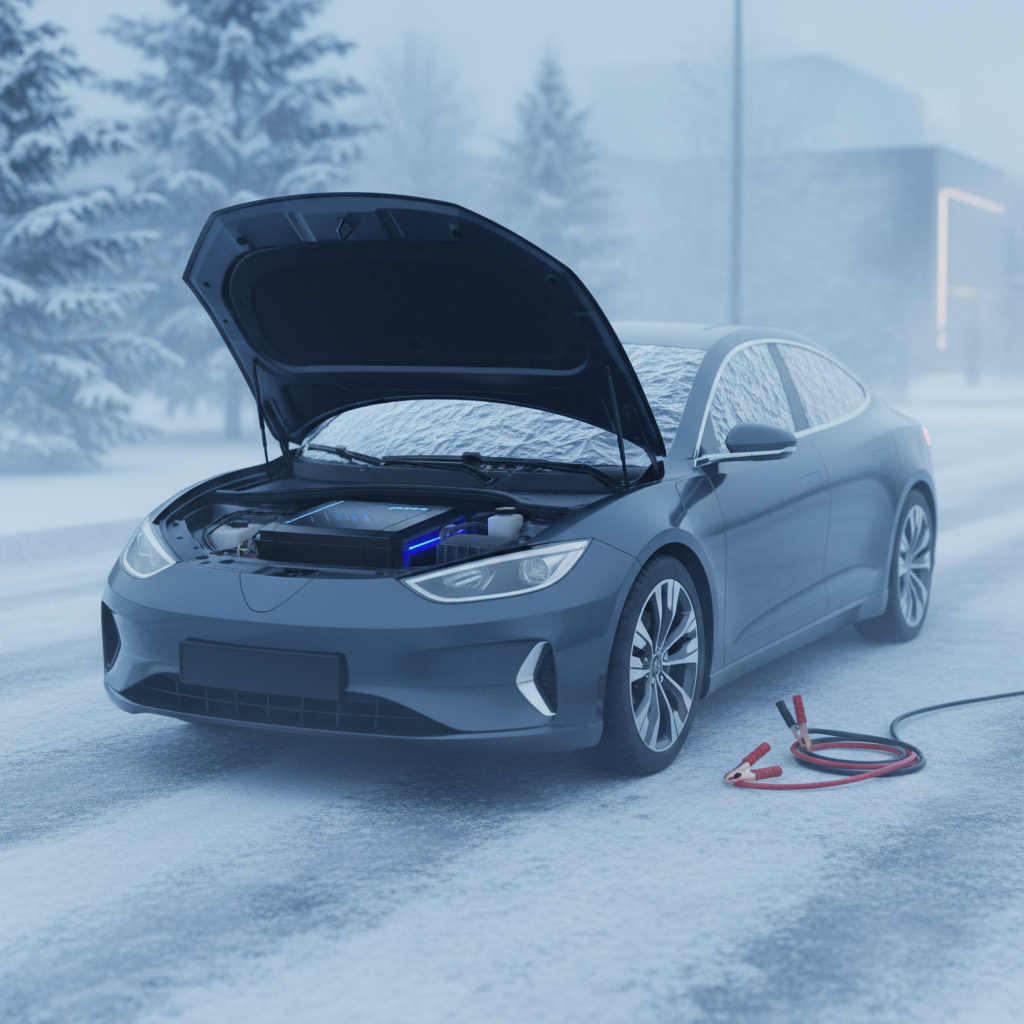
This guide focuses on what to buy for 2026, but more importantly, how to avoid buying the wrong “strong” battery. A big CCA number helps, but fitment, reserve capacity, and your driving pattern matter just as much.
What “cold weather performance” really means (CCA, RC, and why both matter)
Most people shop winter batteries by one spec, and it’s not a bad start. Cold weather performance mainly points to CCA (Cold Cranking Amps), which is the current a battery can deliver at 0°F for 30 seconds while maintaining voltage.
- CCA: how hard the battery can crank when it’s cold, higher usually helps, especially for larger engines.
- RC (Reserve Capacity): how long the battery can run essential loads if the alternator can’t keep up, useful for short trips, accessories, and aging alternators.
- Ah (Amp-hours): more common on EV/aux batteries and deep-cycle applications, sometimes listed for AGM.
According to BCI (Battery Council International), battery “group size” standardizes physical size, terminal layout, and basic fitment. That matters because a high-CCA battery that doesn’t clamp down correctly or has reversed terminals becomes a headache fast.
Quick checklist: are you buying a winter battery because you need it, or because you’re nervous?
Before you shop, separate “it’s cold” from “my battery is failing.” This avoids paying for capacity you won’t use.
- Battery age: if it’s near the typical 3–5 year range, winter is a common time for failure, especially in hot-summer states where heat ages batteries.
- Slow crank: starter turns noticeably slower on cold mornings, even after a longer drive.
- Lots of short trips: 5–10 minute drives often don’t recharge what starting consumes, winter makes this worse.
- High accessory load: heated seats, rear defroster, dashcams, remote start modules, aftermarket audio.
- Corrosion or loose connections: white/green buildup on terminals or a battery that moves in the tray.
If you’re unsure, many auto parts stores do free battery/charging tests. If results show a weak battery or weak alternator output, choose parts based on that, not just temperature anxiety.
Battery types for cold climates: flooded vs AGM vs lithium (what’s realistic for most drivers)
For most U.S. vehicles, you’ll see three practical options. Each can be the best car battery for cold weather depending on your vehicle and budget.
Flooded lead-acid (standard)
- Pros: usually the best value, widely available, solid performance if you buy a reputable line with decent CCA.
- Cons: more sensitive to deep discharge, vibration, and poor maintenance, typically shorter life in harsh use.
AGM (Absorbent Glass Mat)
- Pros: strong cold cranking, better vibration resistance, handles accessories and stop-start systems better, lower self-discharge.
- Cons: higher price, and in many vehicles you should confirm charging system compatibility; some cars require battery registration after replacement.
Lithium (LiFePO4 “drop-in” 12V)
- Pros: light weight, good cycle life in the right use cases.
- Cons: many lithium starter batteries have cold-temperature limitations for charging and cranking; they can be a poor match for true winter climates unless the product is specifically engineered for it and your vehicle supports it.
For daily-driven gas vehicles in real winter, AGM is often the safest upgrade when the vehicle supports it, especially for trucks, SUVs, and cars with lots of electronics.
How to choose the best car battery for cold weather (without overpaying)
Here’s the decision logic that works in the real world, not just on spec sheets.
- Start with the correct group size from your owner’s manual or a reliable fitment tool.
- Meet or slightly exceed OEM CCA; going far beyond can be fine, but don’t sacrifice fitment or quality to chase a number.
- Prioritize RC if you do short trips or run lots of accessories in winter traffic.
- Consider AGM if you have stop-start, frequent short drives, or a history of winter no-starts.
- Check warranty structure: free replacement period matters more than an inflated “total months” number.
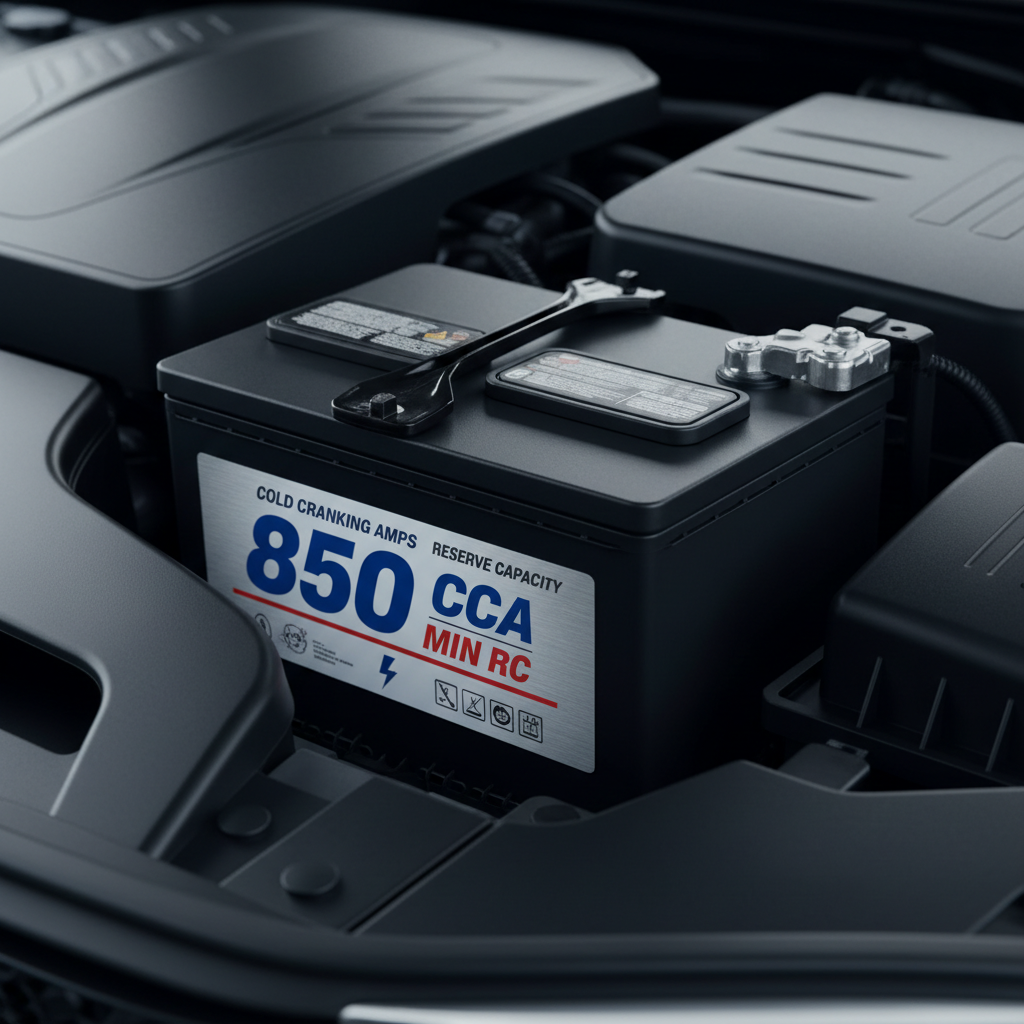
One more thing people miss: if your vehicle uses an intelligent battery sensor (common on newer cars), installing the wrong type can cause undercharging or overcharging behavior. When in doubt, match the battery type the vehicle came with, or confirm an approved upgrade path.
2026 buying guide table: what to prioritize by vehicle and winter scenario
This table is brand-neutral on purpose. Availability changes by region and season, but the selection criteria stays stable.
| Driver/Vehicle Scenario | What to prioritize | Battery type that often fits | Notes |
|---|---|---|---|
| Compact sedan, garaged, moderate winter | OEM CCA + good warranty | Flooded or AGM | Don’t overspend if your usage is easy on batteries |
| Outdoor parked, cold Midwest/Northeast winters | Higher CCA + higher RC | AGM (often) | RC helps when short trips can’t replenish starting draws |
| Truck/SUV, larger engine | Strong CCA, rugged construction | AGM or premium flooded | Ensure correct group size and secure hold-down |
| Stop-start vehicle | Correct battery tech (AGM/EFB) | AGM or EFB | May require battery registration or reset procedure |
| Lots of accessories, remote start, dashcams | High RC + AGM durability | AGM | Consider a parasitic draw check if batteries keep dying |
Installation and winter-proofing steps that matter more than you think
Even the best car battery for cold weather can feel mediocre if connections are dirty or charging is weak. These steps are simple, but they’re where a lot of “bad battery” complaints come from.
1) Clean and tighten the basics
- Clean terminals and clamps, then tighten so the connection can’t rotate by hand.
- Check the hold-down bracket, vibration shortens battery life.
- Inspect ground straps for corrosion or looseness.
2) Confirm your charging system is healthy
- If the alternator undercharges, a new battery masks the issue for a while, then fails early.
- Many parts stores can check battery + alternator output quickly, results can guide your purchase.
3) If you park outside, plan for “cold soak”
- A battery maintainer can help if the car sits for days, especially in deep cold.
- Block heaters and oil viscosity choices also reduce starting load, that’s part of the system.
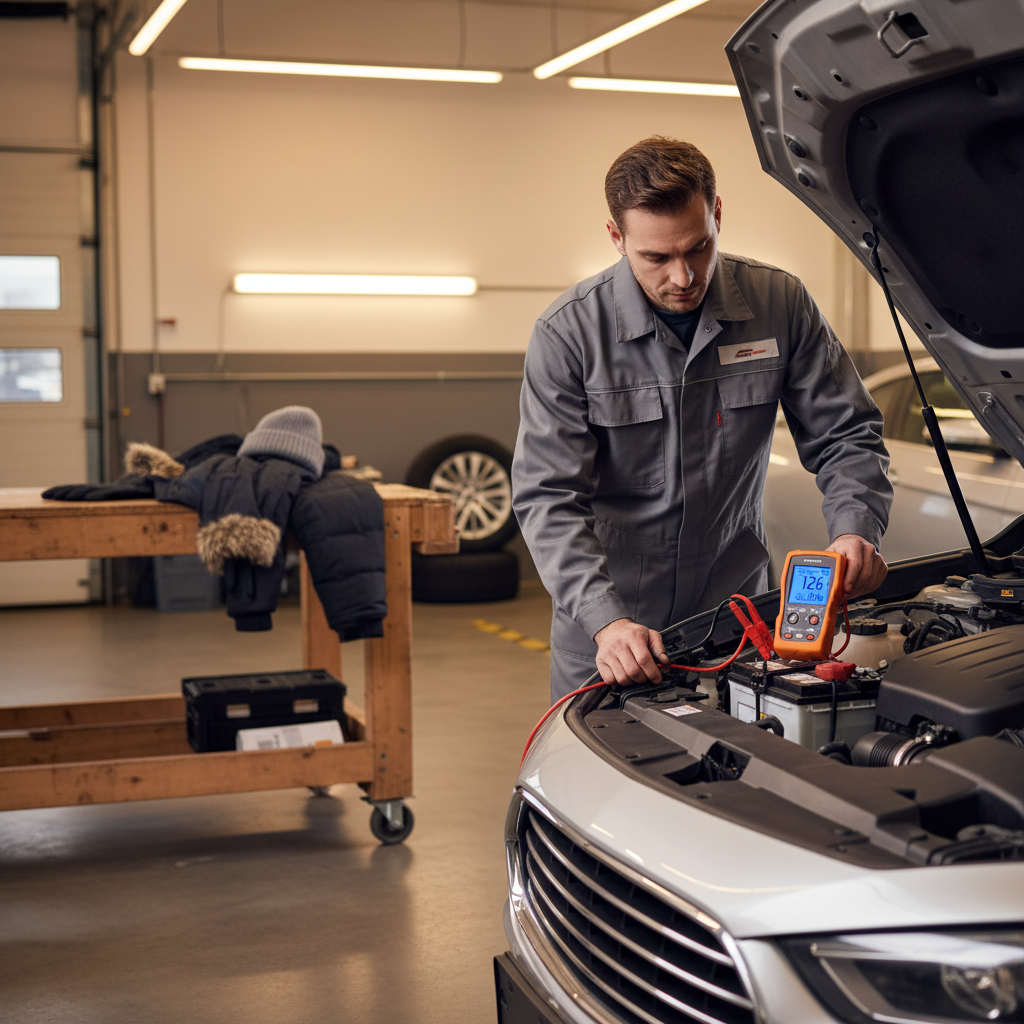
According to NHTSA, vehicle breakdowns create roadside risk, especially in low-visibility or freezing conditions, so it’s smart to treat repeat no-start events as a safety issue, not just an inconvenience. If you’re regularly stranded, a professional diagnosis is worth the time.
Common mistakes that waste money (or cause repeat no-starts)
- Buying by CCA alone: if RC is low and you do short trips, the battery can stay undercharged.
- Ignoring group size and terminal layout: “almost fits” usually becomes cable stress or loose mounting.
- Upgrading to AGM without checking requirements: some vehicles need programming or specific charge profiles.
- Not fixing parasitic draw: a glovebox light, aftermarket accessory, or module can drain a healthy battery overnight.
- Assuming the battery is the only culprit: weak starter, thick oil, or corroded grounds can mimic a failing battery.
When it’s time to involve a pro (and what to ask for)
If your car still struggles after replacing the battery, don’t keep swapping parts blindly. Ask for a starting and charging system diagnosis, and request these checks:
- Battery load test results (pass/fail plus measured voltage under load)
- Alternator output and ripple check
- Starter current draw
- Parasitic draw test if the battery dies while parked
On newer vehicles, ask whether battery registration or a reset procedure is needed. It’s common on some European makes, and increasingly seen elsewhere, skipping it can shorten battery life in some cases.
Bottom line: the “best” winter battery is the one that matches your car and your winter routine
If you want a simple takeaway, pick the correct group size, meet OEM specs, then decide between a quality flooded battery or an AGM based on how hard winter is on your driving pattern. Most repeat winter failures come from short trips, weak charging, or bad connections, not from a battery that’s “too small on paper.”
If you’re shopping this week, make two moves: check your current battery age and get a quick test before buying, then choose a model with strong CCA and enough reserve for your daily routine. That’s how you end up with the best car battery for cold weather for your situation, not just a popular pick.
Key takeaways
- CCA matters for cold starts, but RC matters for short trips and accessory load.
- AGM is often worth it for stop-start vehicles, heavy electronics, and harsh winter parking.
- Fitment, clean connections, and charging health decide whether a new battery actually performs.