
Best car battery for hot weather shopping is mostly about preventing the two summer killers: heat-driven internal damage and undercharging from short trips with heavy A/C use. If you live in Arizona, Nevada, Texas, inland California, or anywhere your hood feels like an oven, the “right” battery choice often looks different than what works in a mild climate.
Heat speeds up chemical reactions inside the battery, which sounds helpful until you realize it also accelerates water loss, plate corrosion, and general aging. Many people blame a sudden no-start on the starter or alternator, but in hot-weather states the battery is frequently the first weak link.
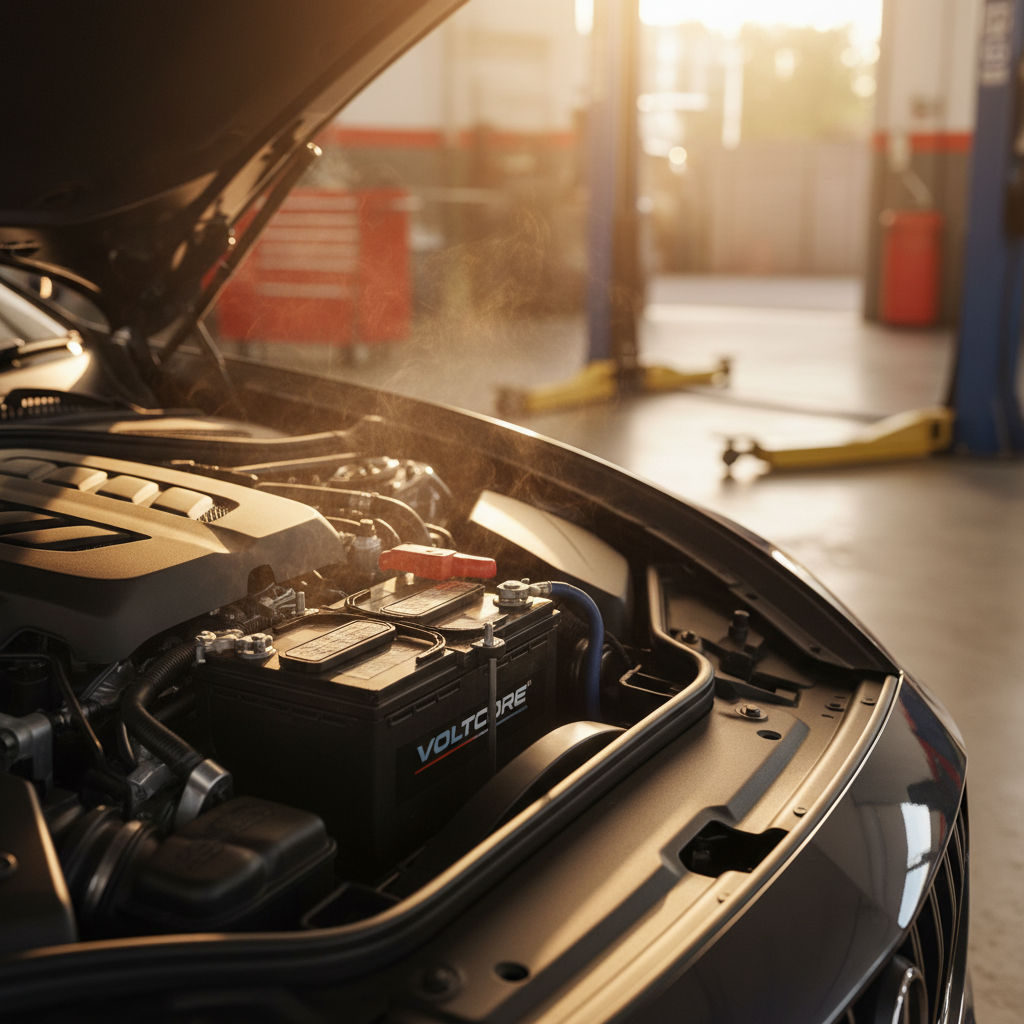
This guide keeps it practical: what specs actually matter, which battery types usually hold up better in high temps, and how to match a battery to your driving pattern. You’ll also get a quick checklist to diagnose whether you need a new battery now or you can safely plan the replacement.
Key takeaways: heat resistance and correct fit matter more than chasing the highest CCA number, and a good warranty is not “marketing fluff” in hot climates, it’s risk management.
Why hot weather kills car batteries faster
Hot weather battery failures feel unfair because the car may start fine all winter, then struggle after a few 105°F afternoons. What’s happening is gradual damage that you only notice once capacity drops below your starter’s needs.
- Faster grid corrosion: heat accelerates corrosion on the internal lead grids, reducing the battery’s ability to hold and deliver energy.
- Electrolyte evaporation: in many conventional flooded batteries, high temperatures increase water loss, which concentrates acid and speeds wear. (Maintenance-free designs reduce, not eliminate, this.)
- Higher under-hood temps than ambient: a 100°F day can mean much higher temperatures near the engine bay, especially after shutdown heat soak.
- More accessory load: A/C blowers, radiator fans, and infotainment pull power, and short trips may not fully recharge what you used starting the engine.
According to AAA... battery issues are among the most common causes of roadside assistance calls, and extreme temperatures (hot and cold) are widely cited contributors. The practical takeaway is simple: in hot states, plan for shorter battery life than the label implies.
How to tell you need a hot-weather-ready replacement
Before you buy anything, do a fast reality check. A weak battery can masquerade as other problems, and it’s easy to waste money if the underlying issue is charging-related.
Quick self-check (5 minutes)
- Battery age: if it’s 3+ years old in a very hot climate, start budgeting for replacement even if it still starts today.
- Slow crank when hot: sluggish starts after a long drive or after sitting in a parking lot can point to heat-stressed capacity.
- Visible case swelling or deformation: treat this as urgent, heat can warp cases and indicate internal damage.
- Corrosion on terminals: crusty buildup increases resistance and mimics a dying battery.
- Dashboard voltage behavior: if you have a gauge or OBD app and you see unusual dips during cranking, get a proper load test.
If you’re unsure, a battery load test gives more clarity than guessing. Many auto parts stores offer testing, and most independent shops can test battery and charging system together, which is the better move when symptoms feel “on and off.”
What specs matter most for hot climates (and what people overbuy)
Spec sheets are where shoppers commonly get stuck. For the best car battery for hot weather, focus on durability and reserve capability, not only cold cranking amps.
- Group size (fitment): match your owner’s manual. Correct dimensions and terminal orientation prevent cable strain and vibration damage.
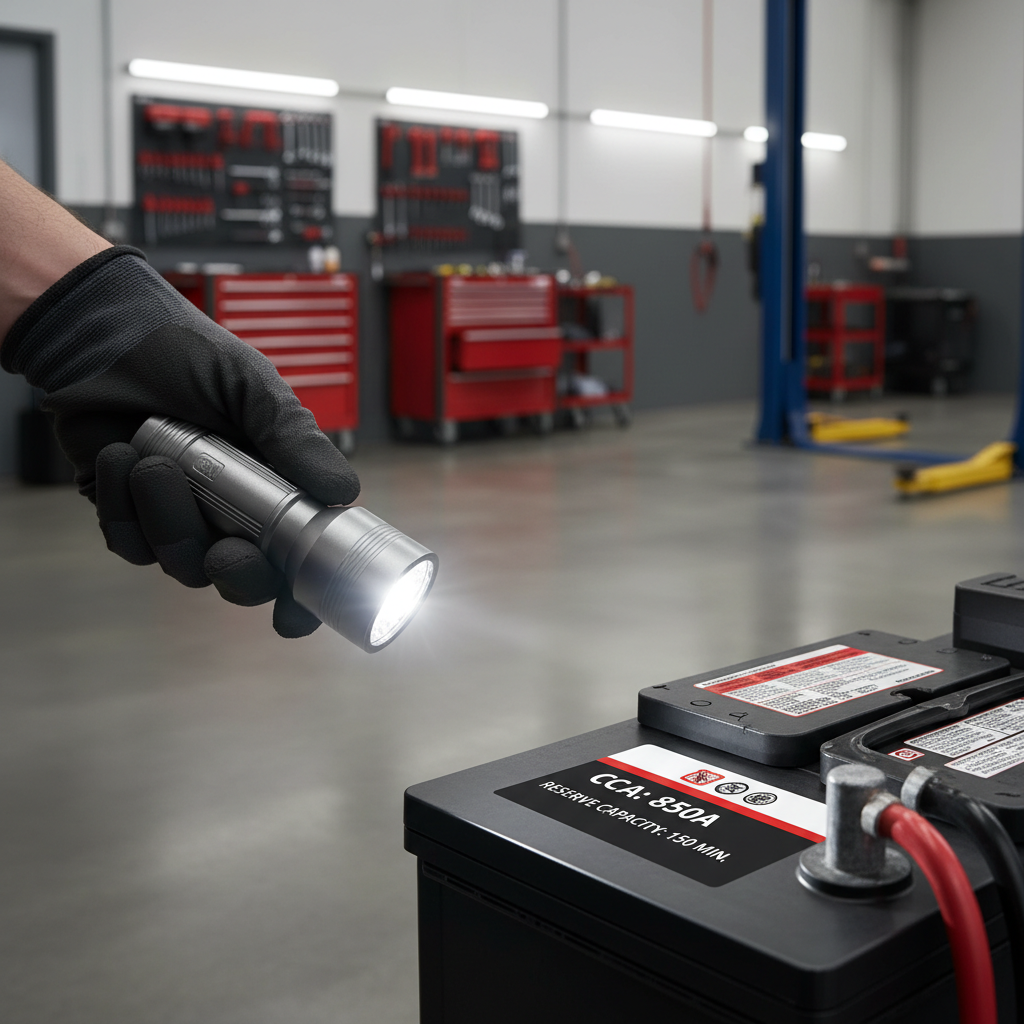
- Reserve Capacity (RC): how long the battery can run essential loads if the alternator isn’t charging. In summer, RC helps with heavy electrical demand and stop-and-go driving.
- CCA (Cold Cranking Amps): still matters for reliable starts, but in hot states you usually don’t need to max it out beyond OEM recommendations.
- Warranty terms: pay attention to free-replacement period vs prorated coverage. In hot areas, stronger coverage often correlates with better build quality, but read the fine print.
Overbuy pattern I see a lot: people jump to the highest CCA battery available, but ignore RC and heat durability. In many cases, that extra CCA doesn’t translate into longer life in 110°F summers.
Battery types compared: flooded vs AGM vs EFB in high heat
Battery “type” matters because designs handle vibration, deep cycling, and heat stress differently. Availability varies by vehicle and budget, and your car may require a specific type.
| Type | Hot-weather strengths | Common trade-offs | Best fit for |
|---|---|---|---|
| Flooded lead-acid | Affordable, widely available | Often shorter life in extreme heat, more sensitive to under-hood temps | Older cars, budget replacements, mild-to-moderate heat |
| AGM (Absorbent Glass Mat) | Typically better vibration resistance, stronger cycling performance, good for high electrical loads | Higher cost, some vehicles require programming/registration when changing battery type | Newer vehicles, lots of short trips, start-stop systems, high accessory use |
| EFB (Enhanced Flooded Battery) | Improved durability vs standard flooded, often used in entry start-stop systems | Not as robust as AGM, still heat-sensitive depending on build | Vehicles specified for EFB, drivers wanting a middle ground |
According to Battery Council International... correct battery selection starts with matching the vehicle’s required group size and performance specs. If your car came with AGM or EFB (common in start-stop cars), downgrading to a basic flooded battery can lead to early failure or warning lights, depending on the system.
What to buy in 2026: a practical short list by scenario
Rather than naming “one winner,” it’s more honest to match the battery to your actual use. Store brands can be solid or mediocre depending on who manufactured that batch, so treat the specs and warranty as your anchor, not the sticker.
If you drive short trips with heavy A/C and lots of electronics
- Lean toward AGM in the correct group size, with strong RC and a meaningful free-replacement window.
- Prioritize RC and cycling performance over chasing the highest CCA.
If your vehicle has start-stop
- Buy the same type the vehicle specifies (AGM or EFB). If unsure, check the label on your current battery or the owner’s manual.
- Ask the shop if battery registration/programming applies for your make. Some cars can act up if it’s skipped.
If you park outside in direct sun all day
- Choose a battery with a strong warranty and reputable distribution, because heat exposure is relentless.
- Consider an insulated battery blanket only if it’s approved for under-hood use in your vehicle; improper insulation can trap heat.
If you drive long highway commutes
- A quality flooded battery can be enough in many cases, but still pick solid RC and warranty terms.
- If you tow or run extra electrical accessories, AGM often pays back in stability.
In other words, the best car battery for hot weather is usually the one that matches your vehicle requirements, adds reserve capacity headroom, and has warranty coverage that reflects real summer wear.
Installation and maintenance that actually extend battery life in heat
Buying the right battery helps, but summer failures often come from small “setup” issues people skip. This is the unsexy part that saves you a tow.
- Clean and tighten terminals: remove corrosion and ensure clamps are snug. A slightly loose terminal can mimic a dying battery.
- Check the hold-down bracket: vibration accelerates internal damage, especially on rough roads.
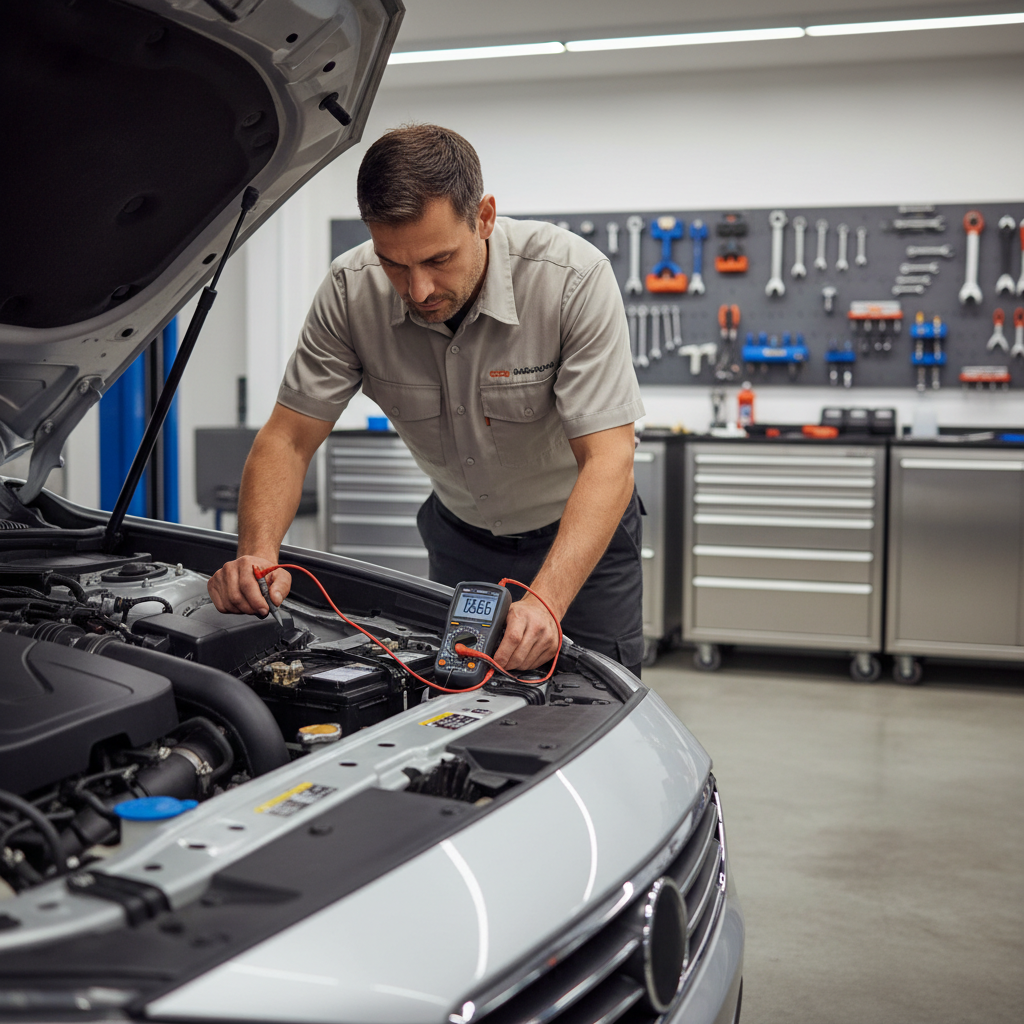
- Measure charging voltage: an alternator that undercharges will quietly ruin any new battery. A shop can test this quickly.
- Reduce heat soak where you can: shade parking helps, and even a windshield shade reduces cabin heat load and accessory draw.
- Use a maintainer for rarely-driven cars: if your vehicle sits for weeks, a smart maintainer can prevent chronic low state-of-charge. Use a model appropriate for your battery type.
Mistakes to avoid when choosing a hot-weather battery
These are the moves that look logical in-store but backfire later, especially in extreme heat.
- Ignoring group size and terminal orientation: “close enough” fitments can cause vibration, cable tension, and poor connections.
- Downgrading AGM/EFB to standard flooded: the car may still start, but start-stop systems and charging profiles can shorten life fast.
- Assuming a long warranty guarantees long life: warranty is helpful, but it’s not the same as heat durability. Compare build and specs too.
- Skipping charging system checks: if the alternator or belt is marginal, you’ll blame the new battery when it fails early.
- Letting the battery sit partially discharged: chronic low charge promotes sulfation, and heat makes that spiral quicker.
If you want a simple buying rule: match OEM type and group size, then choose the best RC and warranty you can reasonably justify for your climate.
When to get professional help (and when it’s fine DIY)
A DIY battery swap is straightforward on many older vehicles, but newer cars can complicate it. If any of the points below apply, a shop visit may save time and avoid electrical headaches.
- Battery is in the trunk, under a seat, or behind panels: access can be awkward and mistakes cost more.
- Vehicle needs battery registration: some BMW, Mercedes, Audi, and others often require it; many mainstream brands may as well on certain models. If you’re unsure, ask a service advisor.
- Repeated dead batteries: you need parasitic draw testing and alternator verification, not another random replacement.
- Swollen battery case or acid smell: treat as a safety issue, avoid handling more than necessary and consult a professional.
According to NHTSA... safe vehicle maintenance includes following manufacturer procedures and using appropriate protective gear. If you’re not comfortable around batteries, having a technician handle it is a reasonable call.
Conclusion: picking the best battery for hot weather without overthinking it
The best car battery for hot weather usually isn’t a mystery brand with a flashy label, it’s the correct group size and type for your car, plus enough reserve capacity to handle summer loads and a warranty that reflects the reality of heat. If you do one thing today, check your battery age and get a proper test before the next heat wave.
If replacement is on the horizon, choose the right technology for your driving pattern, then install it carefully with clean terminals and a secure hold-down. That combination is what most drivers feel as “reliability.”
FAQ
What is the best car battery for hot weather in Arizona or Nevada?
In very hot states, many drivers do well with AGM in the correct group size, especially if they take short trips or run lots of accessories. If your vehicle specifies flooded or EFB, follow that spec and prioritize RC and warranty terms.
Does higher CCA help in hot climates?
Higher CCA won’t hurt, but it’s not the main lever for summer reliability. In hot weather, reserve capacity, proper charging, and heat durability often matter more than pushing CCA far beyond OEM requirements.
How long should a car battery last in extreme heat?
It varies by battery quality, use pattern, and under-hood temperature, but many batteries live a shorter life in extreme heat than in mild climates. If you’re past the 3-year mark in very hot areas, proactive testing makes sense.
Is AGM always better for hot weather?
Not always. AGM often handles cycling and accessory loads well, but it costs more and may require battery registration on some vehicles. For a long highway commute with modest electrical load, a quality flooded battery can still be reasonable.
What reserve capacity should I look for?
Look for RC that meets or exceeds OEM-like expectations for your group size, then compare within that category. If you do short trips, sit in traffic, or have aftermarket electronics, extra RC headroom is usually useful.
Can I switch from flooded to AGM?
Sometimes yes, but it depends on charging strategy and vehicle requirements. If your car has start-stop or smart charging, confirm compatibility and whether programming is needed before switching types.
Why does my car start fine in the morning but struggle after parking in the sun?
Heat soak can expose weak capacity, and electrical connections can expand slightly, increasing resistance if terminals are marginal. A load test and terminal inspection usually pinpoint whether it’s battery health, connections, or charging.
If you’re trying to avoid a mid-summer no-start and want a more “set it and forget it” approach, a battery test plus a recommendation based on your exact vehicle and driving pattern is often the fastest path, whether you do it at a trusted local shop or a parts store that can verify fitment and specs.