How to remove tar from car lower body panels comes down to two things: soften the tar safely, then lift it off without grinding it into your clear coat. If you’ve ever noticed those black specks and smears along rocker panels after fresh asphalt or road work, you already know they don’t wash off like normal dirt.
It’s worth doing right because the lower body takes constant abuse: heat, road grit, and repeated washing. Tar itself usually won’t “eat” paint overnight, but scrubbing it aggressively can leave swirls, haze, or even thin the clear coat, and that damage shows up the moment sunlight hits the panel.
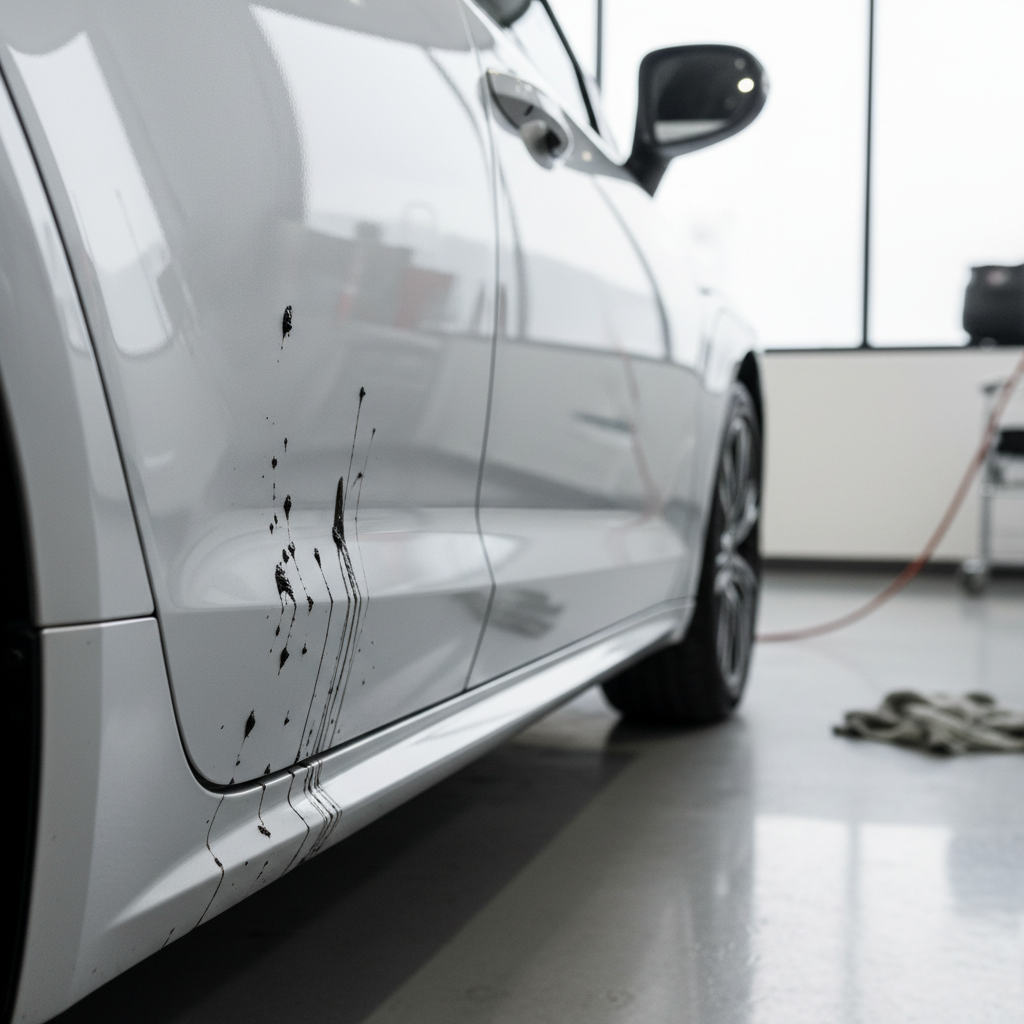
One more thing people get wrong: not every black mark is tar. Some are rubber transfer, some are asphalt sealant, and some are just heavy traffic film. The good news is the removal workflow is similar, you just adjust the product strength and dwell time.
Why tar sticks so hard on lower panels
Tar is a sticky mix of hydrocarbons that softens with heat and bonds to whatever it touches. Lower panels sit in the exact splash zone where the tires throw hot debris, so the residue hits paint at speed and “smears” as it cools.
- Heat + pressure: warm tar lands and compresses into micro-texture in the clear coat.
- Road grit: sand and dust embed into the tar, turning it into a mild abrasive if you rub it dry.
- Thin, exposed paint areas: rocker panels and lower doors often have more wear, making marring easier.
According to the U.S. Environmental Protection Agency (EPA), many cleaning products contain solvents and should be used with good ventilation and label-directed precautions, which matters here because tar removers often rely on solvents to dissolve residues.
Quick self-check: is it tar, rubber, or traffic film?
Before you reach for a strong chemical, do a fast check. It saves time and reduces the chance of dulling trim or staining plastics.
- Tar: irregular black dots/blobs, slightly raised, often near wheel arches and rocker panels.
- Rubber transfer: longer streaks or scuffs, more common after tight parking, track day, or brushing a curb.
- Traffic film: gray-brown haze that improves with a strong shampoo or all-purpose cleaner, not spot dissolving.
Try the “fingernail test” gently on a cool panel: tar often feels like a tiny bump. If it’s perfectly flat and smudgy, it may be film.
What you’ll need (and what to avoid)
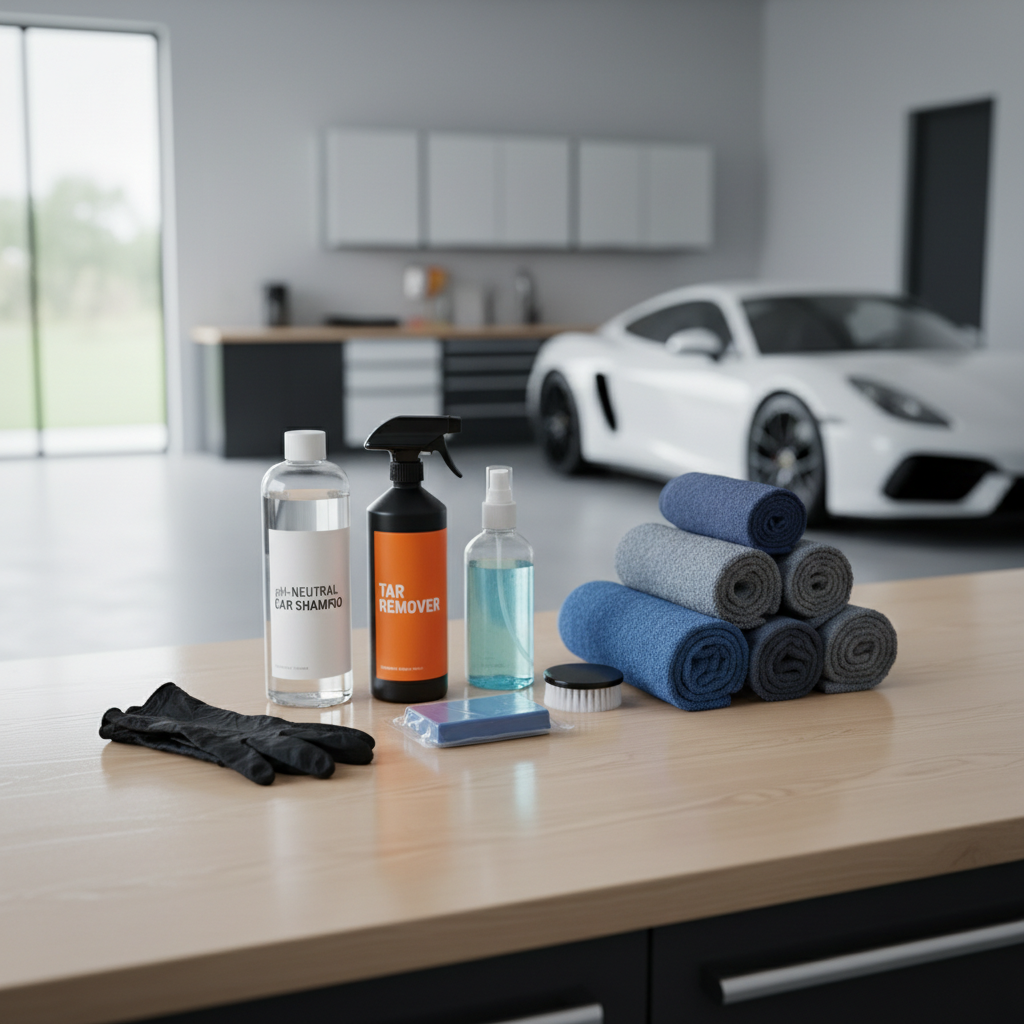
You don’t need a full detailing cabinet, but you do need the right materials so you’re not using your paint as the “scrub pad.”
- pH-balanced car shampoo and a wash mitt
- Dedicated tar remover (paint-safe) or a citrus-based adhesive remover labeled for automotive finishes
- Microfiber towels (several, clean)
- Clay bar or clay mitt plus clay lubricant (optional but helpful)
- Isopropyl alcohol (IPA) diluted for final wipe (optional)
- Protection: sealant/wax, or a ceramic spray
Avoid using kitchen degreasers, harsh lacquer thinner, or scraping tools on paint. Even if it “works,” it often trades tar spots for permanent haze, especially on dark cars.
Step-by-step: how to remove tar without damaging paint
1) Start with a proper wash (don’t skip it)
Wash the car first, especially the lower panels. You want to remove loose grit so you don’t drag it across the surface while working on spots.
- Work in shade on cool paint.
- Use plenty of soap solution and rinse well.
- Dry lightly or leave the panel wet if your tar remover allows wet application (check the label).
2) Spot-treat tar with the right dwell time
Apply tar remover to a microfiber towel or directly to the spot (depending on the product directions). Let it dwell briefly so it can soften the tar. Don’t let it dry on the panel.
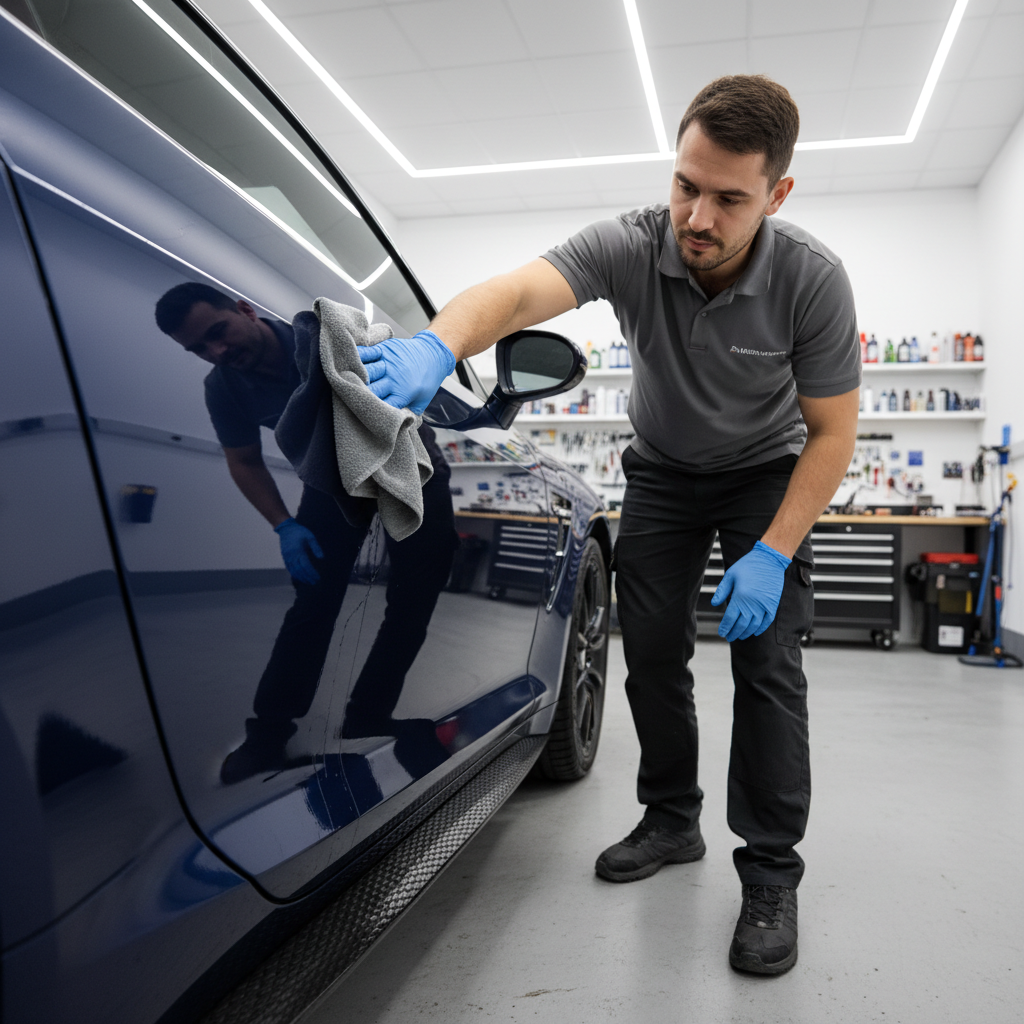
- Gentle technique: press and hold the towel on the spot for a few seconds, then wipe in one direction.
- Repeat rather than increasing pressure.
- Rinse or wipe the area with a damp microfiber to remove dissolved residue.
If you’re figuring out how to remove tar from car lower body panels on a vehicle with fresh paint, matte finish, or vinyl wrap, test a tiny hidden area first and consider asking the installer or body shop which chemicals are safe.
3) Use clay only after the bulk is gone
Clay works great for the last little dots, but it’s not ideal as your first move on thick blobs. Once most tar is removed, clay can pull remaining bonded contamination.
- Lubricate generously, never clay a dry panel.
- Use light pressure, short passes.
- Fold/clean the clay often; if you drop it, replace it.
4) Final wipe and re-check in good light
After removal, do a final wipe with a paint-safe panel wipe or diluted IPA to remove any oily film left by the remover. Then inspect from multiple angles. Tar can hide in textured rocker trim seams.
Choosing a product: quick comparison table
Different situations call for different strengths. Here’s a practical way to choose without overthinking.
| Option | Best for | Pros | Watch-outs |
|---|---|---|---|
| Dedicated tar remover | Heavy tar dots and smears | Fast, designed for auto paint | May affect some plastics if left too long; follow label |
| Citrus adhesive remover (auto-safe) | Moderate residue, sensitive users | Often milder smell, controlled dissolving | Can leave oily film; needs follow-up wipe |
| Clay bar/mitt | Leftover bonded specks | Great finish, removes more than tar | Can mar paint if lubrication or technique is poor |
| All-purpose cleaner (diluted) | Traffic film, light grime | Multi-use, easy | Usually won’t touch true tar; can dry trim if too strong |
Key points that prevent swirls and stains
- Cool surface, shade, patience: heat makes chemicals flash and increases wipe marring risk.
- Blot, don’t scrub: let chemistry do the work, your hand just lifts.
- Microfiber rotation: switch towels often; a saturated towel smears dissolved tar.
- Trim awareness: lower panels often border textured plastic, test first and wipe clean promptly.
- Protect after: removal strips protection, so reapply wax/sealant to reduce future sticking.
Common mistakes (and what to do instead)
- Using a magic eraser on paint: it can behave like very fine sandpaper. Use a tar remover and microfiber instead.
- Scraping with a plastic card: even “soft” edges can trap grit and scratch. If you must lift a thick blob, soften it first and use a dedicated detailing-safe tool.
- Letting solvent dry: many tar removers should be wiped off while wet. Re-wet and remove promptly.
- Doing everything in one pass: two or three gentle rounds usually beats one aggressive round.
- Skipping protection: bare paint grabs the next tar hit faster, especially on rocker panels.
When it’s time to call a professional
If the tar has been on for months, if you see staining that doesn’t change after removal, or if the panel already has heavy swirls, a detailer may be the better move. Many shops can remove bonded contamination and polish safely, and they’ll know what’s safe on matte paint, wraps, or fresh bodywork.
If you notice paint lifting, discoloration on trim that won’t wipe away, or you’re unsure which chemicals were used on your car previously, it’s reasonable to stop and ask a professional detailer or body shop for guidance.
Practical finish: seal it so tar doesn’t come back as easily
Once you’ve solved how to remove tar from car lower body panels, the next win is making future cleanup easier. A simple spray sealant after washing can reduce how strongly grime bonds, and it speeds up your next spot-clean.
- Apply wax/sealant to clean, dry paint.
- Focus on rocker panels, behind wheels, and lower doors.
- Keep a small microfiber and a spot-safe remover in your trunk kit for road trips.
Conclusion
Tar on rocker panels looks stubborn, but most of the battle is restraint: soften it, wipe gently, and repeat until the paint feels smooth again. If you pick a paint-safe remover, avoid dry scrubbing, and add protection afterward, you’ll usually get clean lower panels without turning the job into a polishing project.
If you want one action step: wash the lower panels, spot-treat with a tar remover using short dwell times, then re-protect that area so the next cleanup takes minutes, not an afternoon.
FAQ
What is the safest way for how to remove tar from car lower body panels?
A paint-safe tar remover plus a clean microfiber towel, used on a cool panel in shade, is usually the safest approach. The key is letting the product soften the residue so you wipe, not scrub.
Will WD-40 remove tar from car paint?
It can loosen some sticky residue, but it often leaves an oily film and isn’t designed as an automotive tar remover. If you use it in a pinch, follow with a proper wash and reapply protection, and test on a small area first.
Can I use rubbing alcohol to remove tar?
Diluted isopropyl alcohol can help with light residue or final cleanup, but heavy tar usually needs a dedicated solvent-based remover. Strong alcohol or repeated aggressive wiping may dry plastics and can increase marring risk.
Do tar removers damage clear coat?
Most reputable products are formulated to be clear-coat safe when used as directed, but problems happen when they dry on the panel or sit on sensitive trim. Always follow the label and do a spot test if you’re unsure.
Should I clay bar before or after tar remover?
After, in most cases. Remove the thick stuff chemically first, then clay to pull tiny bonded specks. Claying heavy blobs tends to drag contamination and can mark the paint.
How do I remove tar from textured plastic rocker trim?
Use a trim-safe cleaner or a mild tar remover, apply to a towel, and dab rather than scrub. Textured plastic holds residue in pores, so you may need a soft detailing brush and a careful rinse, and it’s smart to test first to avoid discoloration.
Why does tar come back after I cleaned it?
Usually it’s leftover residue smeared thin, or you’re still driving through fresh asphalt. A final wipe to remove oily film, plus a fresh layer of sealant on the lower panels, helps prevent that “shadow” effect.
Is it worth polishing after tar removal?
If you see haze, swirls, or dull spots in direct light, a light polish can restore clarity, but it’s not always necessary. If you’re not comfortable with machine polishing, a detailer can evaluate the paint condition quickly.
If you’re dealing with frequent highway driving or construction zones and want a more hassle-free routine, consider building a simple lower-panel maintenance kit: a paint-safe tar remover, a few dedicated microfibers, and a quick sealant for after cleanup, it keeps the job controlled and predictable.