
Best car roof cargo carriers for luggage are usually the quickest way to stop playing trunk Tetris, especially for family road trips, ski weekends, or airport runs where one more suitcase ruins the plan.
The tricky part is that “roof cargo carrier” can mean a soft bag, a hard rooftop box, or even a basket with a weather bag, and the right pick depends less on brand hype and more on your vehicle roof setup, how often you’ll use it, and how much weather exposure you expect.
This guide breaks down what actually matters in real use, shows a quick comparison table, and gives a practical short list of what to check before you buy, mount, and load.
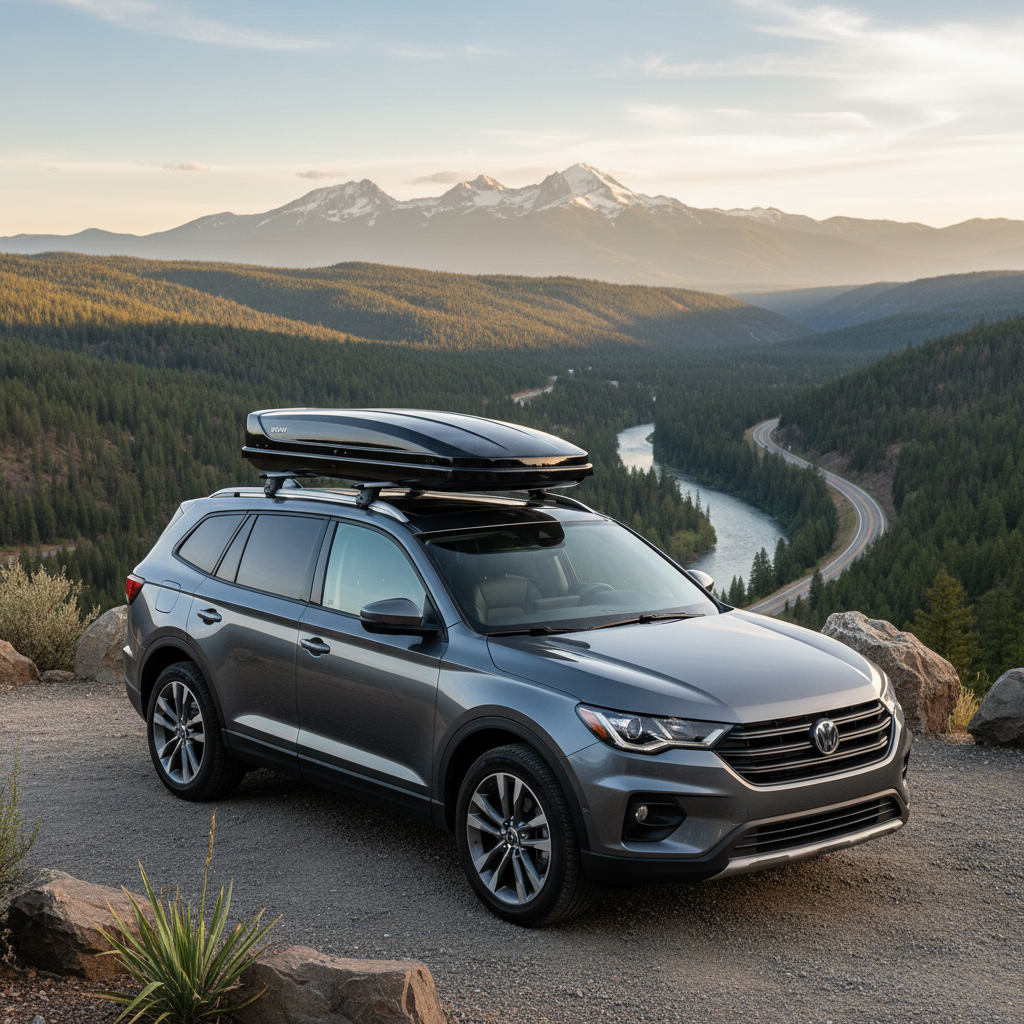
What makes a roof cargo carrier “best” for luggage (not just gear)
If your main goal is suitcases, duffels, and strollers, focus on shape, access, and weather sealing more than “max liters” marketing. Long, narrow boxes often swallow skis but fight you on bulky luggage, while short, tall boxes can be perfect for soft-sided bags.
- Usable volume: A carrier can list big capacity yet have awkward corners or a low lid that blocks hard suitcases.
- Opening style: Dual-side opening matters if you park on streets or load from one side in tight driveways.
- Weather resistance: Soft bags can be very water-resistant, but heavy rain at highway speeds is where seams and zippers get tested.
- Security: Hard boxes with integrated locks are typically easier to secure than a bag plus cable lock.
- Noise and drag: Some shapes whistle; some sit too high. Expect some MPG impact either way.
According to the National Highway Traffic Safety Administration (NHTSA), proper cargo securement is a key safety practice because shifting loads can affect vehicle control. That applies to roof loads even more, since the center of gravity changes.
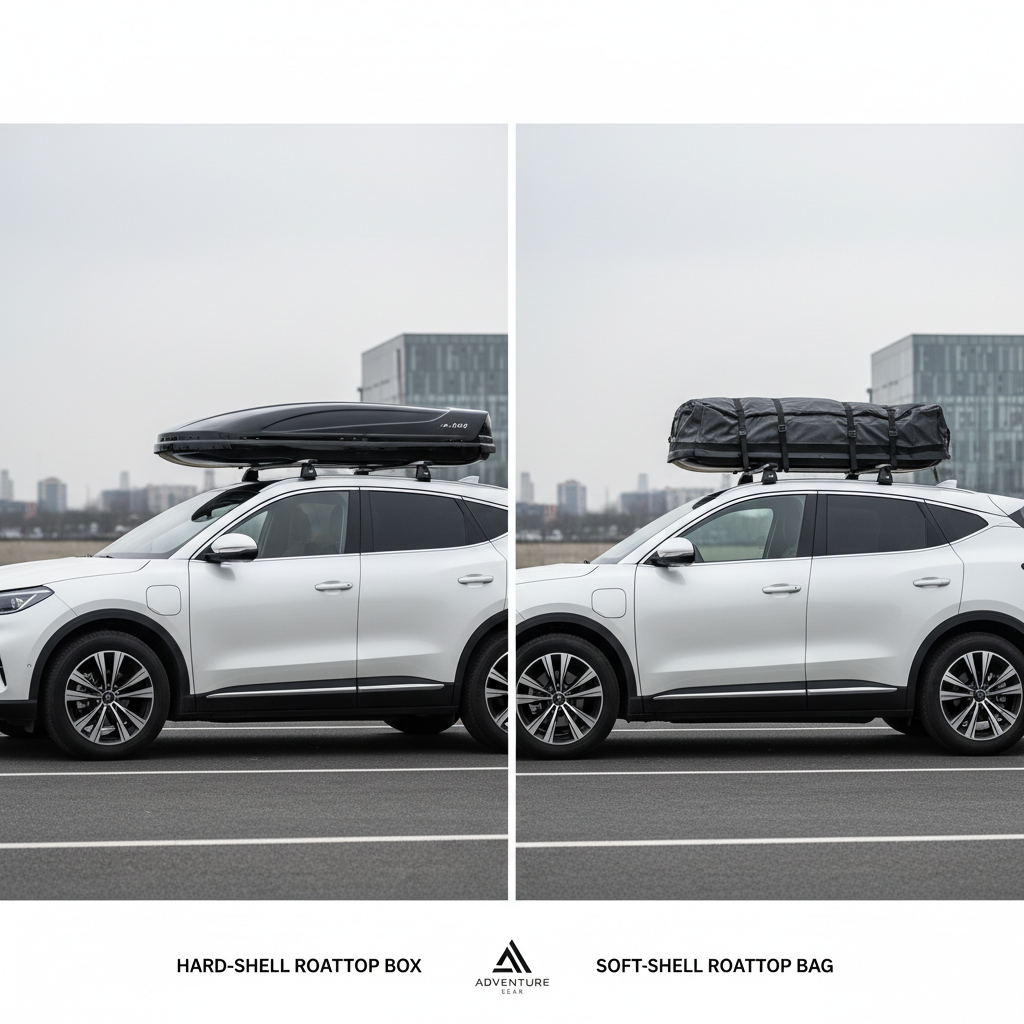
Quick comparison: hard box vs soft bag vs basket
Here’s the simplest way to choose without overthinking it. You can absolutely road-trip with any of the three, but they each have a “best case.”
| Type | Best for | Pros | Trade-offs |
|---|---|---|---|
| Hard rooftop cargo box | Frequent travel, long drives, mixed weather | Lockable, more aerodynamic, better rain protection, easier to load neatly | Higher cost, needs storage space at home, can limit hatch opening on some SUVs |
| Soft roof cargo bag | Occasional trips, rentals, limited storage at home | Lower cost, folds small, flexible shape for odd luggage | Security depends on straps/locks, more wind noise, water resistance varies |
| Roof basket + weather bag | Dirty gear + luggage mix, bulky loads | Versatile, easy to toss items in, works with many tie-down methods | More drag, more noise, luggage needs extra protection and strapping discipline |
If you’re shopping specifically for best car roof cargo carriers for luggage, a hard box often wins on convenience and weather, while a soft bag wins on price and “I only need this twice a year.”
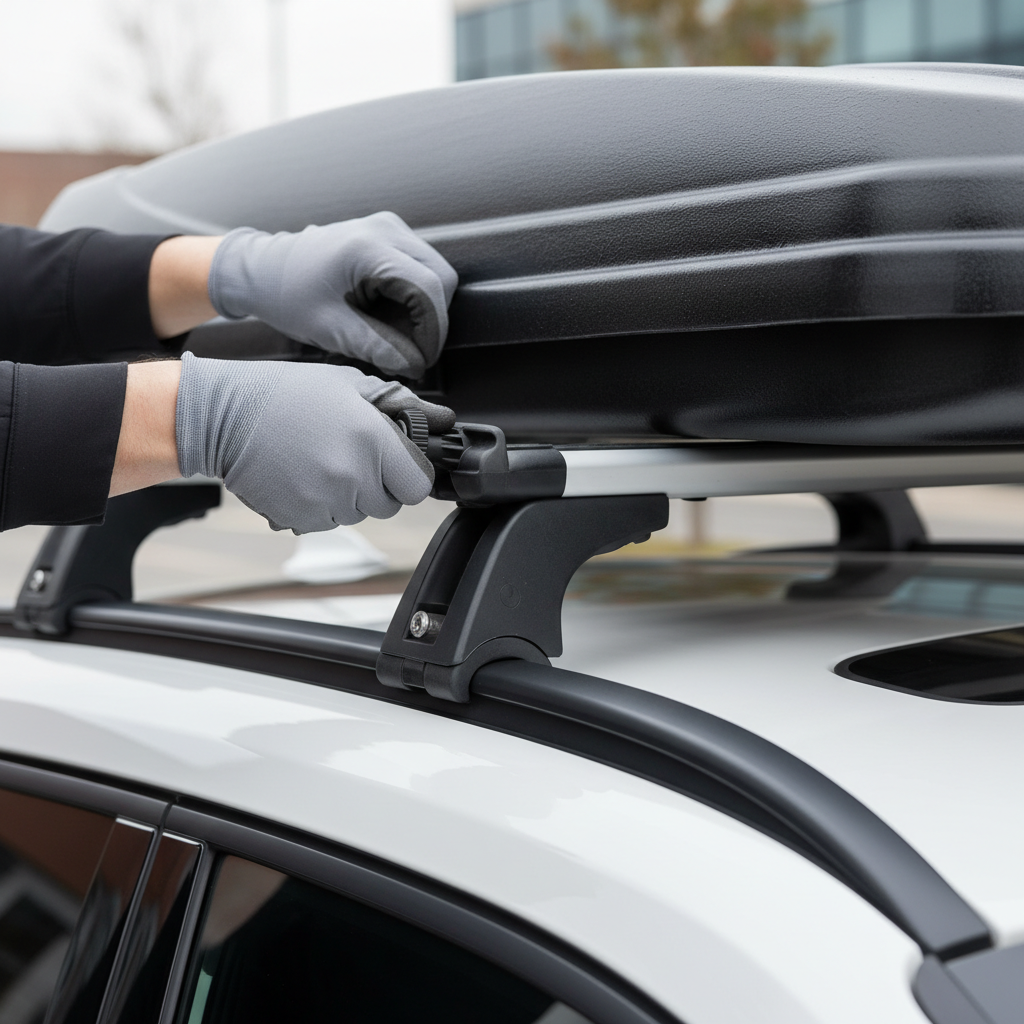
Fit comes first: roof rails, crossbars, and “will this even mount?”
People usually start with capacity, but fit is what makes a purchase painless or annoying. Before you pick a model, confirm what you actually have on your roof:
- Raised side rails: Bar sits above the roof with a gap, often easier for clamp-style crossbars.
- Flush rails: Rail hugs the roof, often needs vehicle-specific crossbars.
- No rails: You may need a door-jamb clamp rack system, or choose a soft bag rated for “naked roof” use (and follow its paint-protection guidance).
Also check these two practical issues that surprise people:
- Rear hatch clearance: Some boxes block the hatch from fully opening on SUVs and wagons, especially if the box sits too far back.
- Crossbar spread: Many carriers require a minimum and maximum distance between bars, your current bar position might not work.
According to Subaru (and many other automakers publish similar guidance), roof load limits are vehicle-specific and include the weight of crossbars and accessories. If you’re unsure about your exact limit, the owner’s manual is the cleanest source, or ask your dealer/service advisor.
A quick self-check: which carrier type matches your trip style?
If you answer these honestly, the choice usually becomes obvious.
- I travel 6+ times a year and park outside in rain/snow → lean hard box.
- I only need overflow space for one annual road trip → soft bag can be plenty.
- I carry dirty items (camp bins, muddy gear) plus luggage → basket + bag, or a hard box you’re okay wiping down.
- I hate lifting overhead → pick a lower-profile box, consider a rear hitch cargo option instead, or plan for a small step stool.
- I’ll be in cities and worry about theft → hard box with lock, and keep high-value items inside the vehicle anyway.
One more reality check: if your “extra luggage” is mostly soft duffels, you can use space more efficiently than with rigid suitcases, regardless of carrier type.
How to pick the right size without wasting money
The “right” size is less about chasing the biggest number and more about matching your typical load. A carrier that’s too large becomes a storage headache, and it may add more wind drag than you want for everyday use.
Use this sizing approach
- Count your usual bags: For example, two checked suitcases + two carry-ons + a stroller is a different problem than four duffels.
- Measure your bulkiest item: Hard suitcases can be the limiting factor because of height and corner clearance.
- Decide “seasonal” vs “always on”: If you’ll remove it often, weight and removal simplicity matter more.
Small features that matter more than you expect
- Dual-side opening for day-to-day loading.
- Internal tie-down points so luggage doesn’t slide and bang around.
- Strap management (for bags and baskets) to avoid loose ends flapping at speed.
If you’re narrowing to a shortlist of best car roof cargo carriers for luggage, prioritize an easy open/close mechanism and a mounting system you can tighten confidently, those two details reduce most “I regret this” moments.
Practical setup: loading, strapping, and driving tips that prevent problems
Most issues people blame on the carrier are really loading and setup issues. A few habits make a big difference.
Loading rules that keep the drive stable
- Keep weight low and centered: Put heavier bags closer to the middle of the roof, not at the ends.
- Don’t overload “because it fits”: Stay within the vehicle’s roof load limit, and remember to include the carrier itself.
- Use internal straps: Even in a hard box, bags can shift during braking and cornering.
- Leave space for the lid: Overstuffing can warp seals or prevent proper latching.
Driving adjustments worth making
- Give yourself more braking distance, roof weight can make the vehicle feel top-heavy.
- Expect crosswinds, especially with taller boxes and baskets.
- Know your new height: Garages, drive-thrus, hotel canopies become real risks.
According to the Federal Highway Administration (FHWA), shifting or falling cargo creates road hazards for everyone. If anything about your mounting or straps feels questionable, it’s smarter to stop and fix it than to “hope it’s fine.”
Common mistakes (and what to do instead)
- Mistake: buying before confirming crossbar compatibility
Do instead: verify crossbar width, shape, and spacing requirements, and check whether the carrier needs specific T-track hardware. - Mistake: storing valuables on the roof
Do instead: treat the roof as “bulky items only,” keep passports, laptops, and cameras inside the cabin. - Mistake: assuming all “waterproof” bags behave the same
Do instead: look for welded seams or storm flaps, and still pack with a belt-and-suspenders approach using trash bags or dry bags for clothes if weather looks rough. - Mistake: skipping a re-tighten
Do instead: after 15–30 minutes of highway speed, pull over safely and re-check clamps/straps, many materials settle a bit.
Also, if you have a panoramic sunroof, be cautious with soft bags and straps on a “naked roof” setup, contact points can scuff paint or glass trim. In those cases, crossbars and a rigid box usually reduce risk.
When it’s worth getting professional help
If you’re not sure about your roof rating, mounting points, or the right crossbar system, a rack shop or dealership parts department can be helpful. This is especially true when you have:
- No factory rails and need a door-jamb rack system that won’t leak or shift
- EVs where range impact matters and aero choices get more noticeable
- Recurring wind noise you can’t solve with basic adjustments
- Any cracking, bent parts, or loose mounting hardware on existing racks
It’s not about making it complicated, it’s about avoiding a setup that might fail at speed. If something feels off, a quick inspection by a professional installer is a reasonable move.
Conclusion: the “best” choice is the one you’ll actually use correctly
Shopping for best car roof cargo carriers for luggage gets easier when you stop chasing the biggest capacity and start prioritizing fit, ease of loading, and weather and security needs that match your real trips. A hard box suits frequent travel and rough weather, a soft bag fits occasional overflow without storage hassles, and a basket works when you need flexible hauling.
If you do one thing today, measure your common luggage and confirm your roof setup and load limits, then pick a carrier type that won’t make mounting and removal feel like a chore.
FAQ
What size roof cargo box is best for family luggage?
Many families do well with a mid-size box that fits several duffels and a couple carry-ons without blocking the rear hatch. The “best” size depends on your crossbar spread and whether you use bulky hard suitcases.
Are soft roof cargo bags safe at highway speeds?
They can be, if the bag is rated for highway use, mounted to solid crossbars or a properly protected roof, and straps are tightened and re-checked. If you see strap slack or hear flapping, pull over and correct it.
Do roof cargo carriers hurt gas mileage?
Usually yes, though the amount varies by vehicle, speed, and carrier shape. Lower-profile hard boxes often create less drag than tall baskets, but any roof load can increase resistance, especially on interstates.
Can I put a rooftop cargo box on any car?
Not always. You need a compatible rack system and you must stay within the vehicle’s roof load limit. If your car has no rails, you may need a vehicle-specific rack kit before any box is realistic.
How do I keep luggage dry in a roof carrier?
With hard boxes, make sure the lid closes without stress and seals look intact. With soft bags, use internal waterproof liners for clothing and check that zippers and seams are covered by storm flaps.
Is a roof box more secure than a roof bag?
In many cases, yes, because hard boxes typically include integrated locks and rigid mounting. Still, neither is a great place for high-value items, and opportunistic theft can happen anywhere.
What’s the easiest way to load a roof carrier if I’m short?
A small folding step stool and packing duffels instead of rigid suitcases help a lot. You can also choose a shorter box that sits closer to the roofline, which reduces reach.
If you’re trying to narrow down options and want a more “no surprises” setup, start by matching the carrier type to your roof hardware and your typical luggage mix, then look for features you’ll feel every trip, like dual-side opening, easy clamps, and solid tie-down points.