
How to charge a car battery safely comes down to two things: using the right charger settings and controlling the risks around sparks, gas, and wrong connections. If you do it casually, you can damage the battery, fry electronics, or just waste hours on a charge that never “takes.”
This matters more than people think because modern cars have sensitive electronics, and even older vehicles can punish sloppy hookup order. The good news is charging is usually straightforward once you know what to look for, and when to stop.
I’m going to walk through a practical, garage-friendly approach: what you need, how to decide whether to charge in-car or out, the safest connection order, and how to confirm the battery is actually healthy.
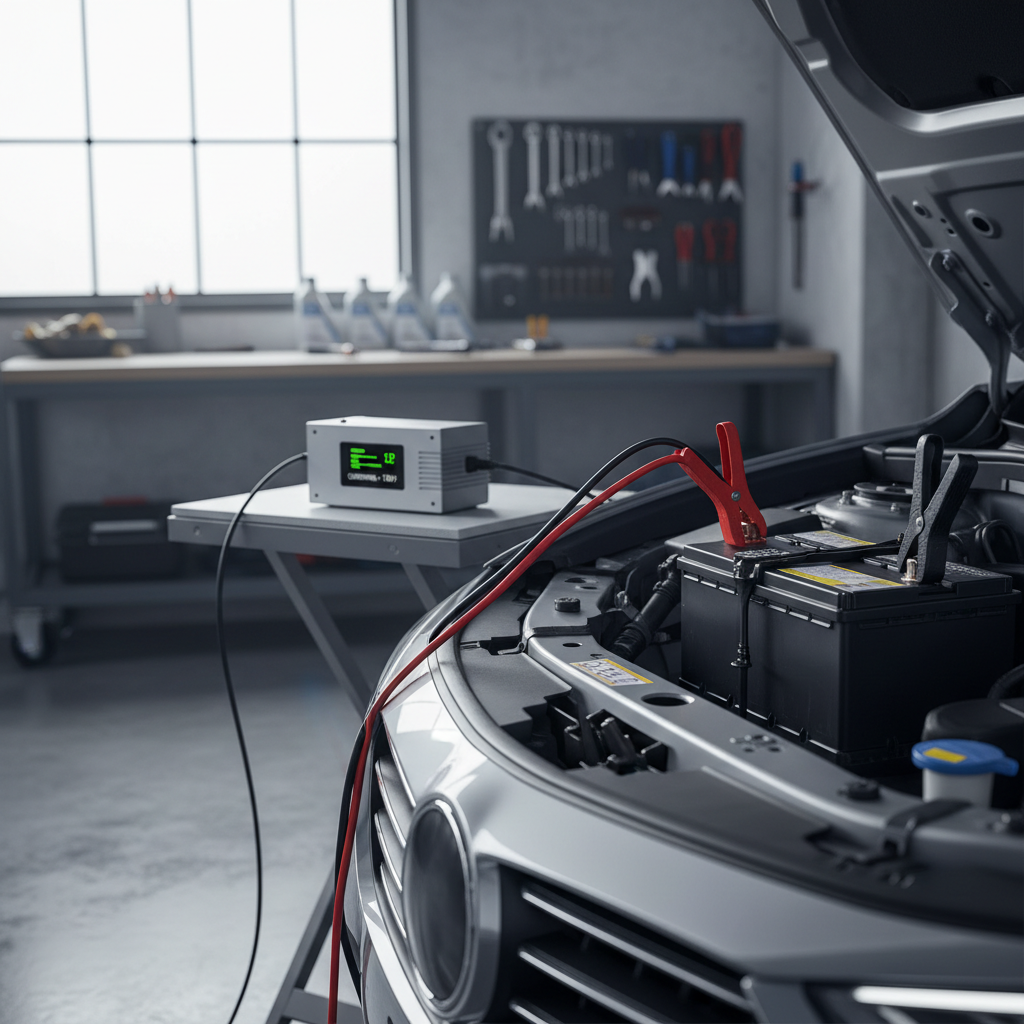
What you need before you start (and what to avoid)
Most charging problems start with mismatched gear or guessing the battery type. Take 60 seconds to confirm what you’re working with, it saves a lot of backtracking.
- A smart charger (automatic, microprocessor-controlled) with 2A–10A options is ideal for most drivers.
- Safety glasses and gloves, battery acid is rare but not something to gamble on.
- Ventilation, charging can release hydrogen gas, especially if the battery is stressed.
- Basic inspection light so you can see corrosion, cracks, and clamp contact.
Try not to use an unregulated “old school” charger unless you know exactly how it behaves, they can overcharge, boil electrolyte, and shorten battery life. Also avoid “boost” modes unless the charger manual clearly supports it for your battery type and your situation.
According to OSHA, hydrogen is a flammable gas and can ignite if it accumulates near an ignition source, so ventilation and spark control are not just nice-to-haves.
Battery types and charger settings: a quick match-up
Before you connect anything, identify the battery type. Many batteries label this directly, otherwise check the owner’s manual or the battery spec sticker.
| Battery type | Common label | Typical charger mode | Notes |
|---|---|---|---|
| Flooded lead-acid | “FLA” or standard | 12V lead-acid / normal | Often has removable caps; more tolerant, still can be damaged by overcharge |
| AGM | “AGM” | AGM mode | Likes controlled voltage; using the wrong mode can under/overcharge |
| Gel | “Gel” | Gel mode | Overvoltage can cause permanent damage, don’t guess here |
| Lithium (LiFePO4) | “Lithium” | Lithium mode | Only charge with a charger rated for that chemistry |
If your charger has only “12V” and “12V AGM,” don’t force a gel or lithium battery into an AGM profile. In that scenario, it’s smarter to get the right charger than to “make it work.”
Fast self-check: should you charge, jump, or replace?
Not every dead-start situation is a simple low charge. This checklist helps you decide what path makes sense without overthinking it.
- Charge makes sense if the battery is intact, terminals are not melted, and the car just sat or lights were left on.
- Jump-start makes sense if you need to leave now, but plan to recharge properly afterward.
- Replacement is likely if the battery case is swollen, cracked, leaking, or it won’t hold charge after a full cycle.
Also watch the age factor. Many 12V car batteries become unreliable after several years, but lifespan varies by climate, driving patterns, and vehicle electrical demands.
How to charge a car battery in the car (safe step-by-step)
This is the most common method and usually fine, as long as you follow a conservative connection order and keep sparks away from the battery top.
1) Park smart and prep the area
- Ignition off, keys out, accessories off.
- Work in an open garage or outdoors, not in a sealed space.
- Locate the battery or the remote jump posts if your car uses them.
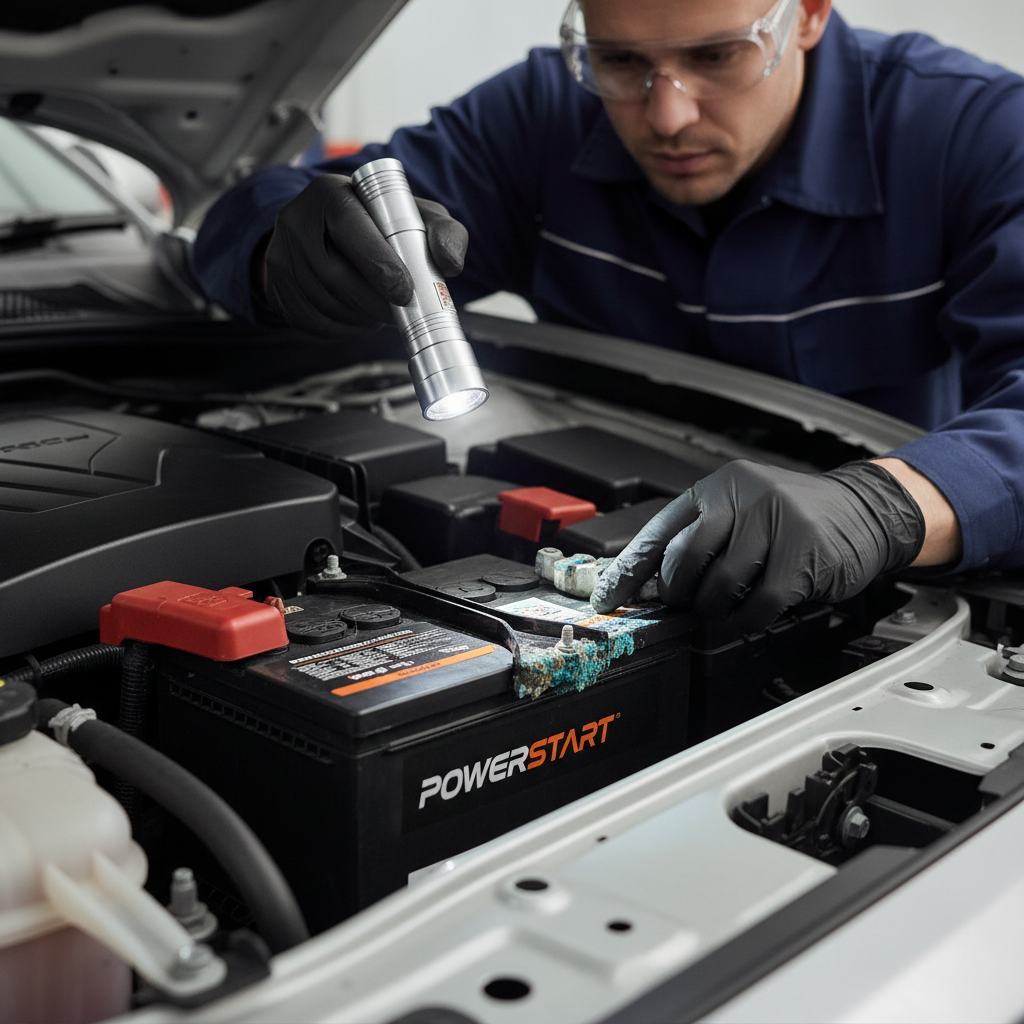
2) Inspect before connecting
- Look for cracks, swelling, wet spots, or a strong rotten-egg smell. If you see or smell any of that, stop and consider a professional inspection.
- Check terminals for heavy corrosion. Light corrosion can be cleaned, but avoid creating dust clouds and keep it off skin and eyes.
3) Connect clamps in a spark-minimizing order
- With the charger unplugged, connect red to battery positive (+).
- Connect black to a solid chassis ground (unpainted metal) away from the battery, not to the negative post if you can avoid it.
- Make sure clamps bite metal, not plastic covers or loose hardware.
That “ground away from the battery” step is about spark control. According to NHTSA, batteries can produce flammable gases, and avoiding sparks near the battery reduces ignition risk.
4) Set charger mode and start low
- Select the correct battery type (AGM vs standard).
- If the charger offers amperage choices, 2A–4A is gentler (slower, often healthier), 6A–10A is quicker but can run warmer.
- Plug in the charger, then start the charge.
5) Monitor and finish cleanly
- Feel for excessive heat around the battery case, warm is one thing, hot is a stop sign.
- When the charger indicates full or switches to maintenance/float, unplug the charger.
- Remove clamps in reverse order: black off ground, then red off positive.
If the charger never progresses, or it errors out repeatedly, that often points to a sulfated or failing battery, or a wrong mode selection.
Charging a car battery out of the vehicle (when it’s the better call)
Sometimes removing the battery is simply calmer: easier access, less risk to vehicle electronics, and better visibility. It’s also common when the battery lives in a trunk, under a seat, or buried under covers.
- Disconnect negative first, then positive, so a tool can’t accidentally short to ground.
- Carry the battery upright, set it on a stable surface.
- Charge in a ventilated spot, away from flames, heaters, smoking, or grinding tools.
When reconnecting in the car, do the reverse: positive first, then negative. Many vehicles may lose radio presets or require a window reset, check your manual if you want to avoid surprises.
How long it takes (and how to tell it’s actually charged)
Charging time depends on how depleted the battery is and the charger amperage. A deeply discharged battery on a low-amp charger can take overnight, that’s normal.
Practical indicators to use
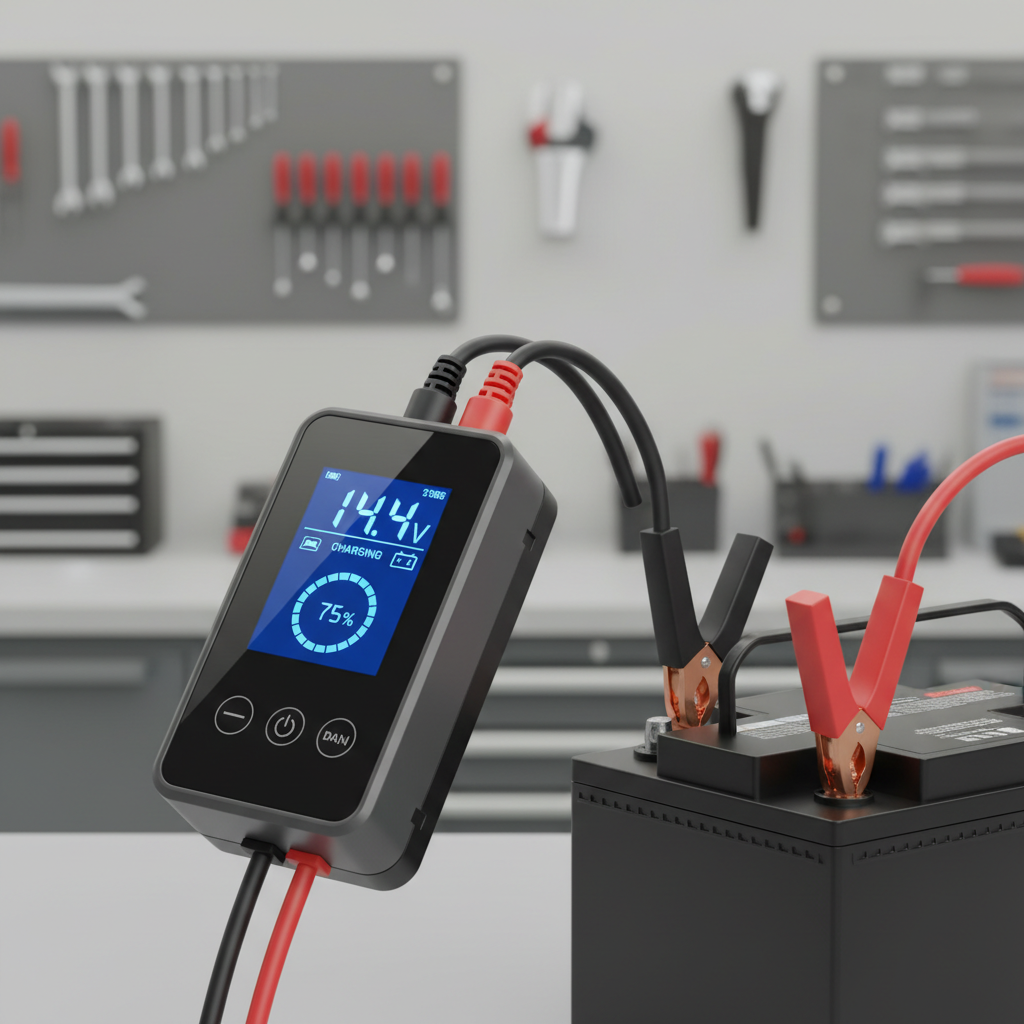
- Charger status: “Full” or “Float/Maintain” is more meaningful than a guess based on time.
- Resting voltage (after sitting 30–60 minutes): around 12.6V is typically considered full for many lead-acid batteries, though readings vary by temperature and battery design.
- Real-world test: engine cranks strongly and starts without dimming lights.
According to Battery Council International, proper charging practices and maintenance meaningfully affect battery service life, so the goal isn’t speed, it’s a complete, controlled charge.
Common mistakes that waste time (or create safety issues)
A few patterns show up again and again, especially when someone is in a hurry and the battery “should be fine.”
- Wrong mode for AGM/gel/lithium, the battery may never reach proper charge, or it may overheat.
- Clamps on dirty or loose terminals, charger reads weird, gets hot, or cycles on and off.
- Charging near sparks or flames, think smoking, space heaters, or switching power tools nearby.
- Assuming a short drive equals a full recharge, many short trips don’t restore a heavily depleted battery.
- Ignoring repeated dead-battery events, that can be a parasitic draw, alternator issue, or a battery nearing end-of-life.
If you keep needing to charge every few days, the “charging technique” probably isn’t the core issue anymore, it’s time to diagnose the car.
When to get professional help (and what to ask for)
If anything feels off, it’s reasonable to stop and ask for a battery and charging-system check. Many shops can test battery health and alternator output quickly, and that’s often cheaper than buying parts blindly.
- Battery case swelling, leaking, or hot to the touch during charging
- Strong sulfur smell or visible venting
- Charger won’t recognize the battery, or errors repeatedly after correct setup
- Battery goes flat again shortly after a full charge
- Modern vehicles with start-stop systems where battery type matters more
If you’re unsure, ask for a load test and a charging system test. That combination usually tells you whether the battery, alternator, or a draw is the real culprit.
Key takeaways you can follow the next time
- Match charger mode to battery type before you connect power.
- Connect positive first, then ground away from the battery to reduce spark risk.
- Prefer lower amperage if you can wait, it’s typically easier on the battery.
- If the battery won’t hold charge, stop chasing it and test the system.
If you want one simple action today, set your charger to the right battery mode and charge at a conservative rate overnight, then check how the car starts the next morning. That one cycle tells you a lot.
FAQ
- Can I charge a car battery without disconnecting it?
In many cases, yes, a smart charger is designed for in-vehicle charging. Still, if your car manual recommends a specific procedure or remote terminals, follow that, and avoid charging if the battery shows damage. - What amp setting should I use to charge a 12V car battery?
For routine charging, 2A–4A is a safe, patient choice, while 6A–10A is faster. If you’re not sure, go lower, heat and rushing tend to create problems. - Is it safe to charge a battery overnight?
Often yes with a modern smart charger that switches to float/maintain. With older manual chargers, overnight charging can be risky because overcharge is more likely. - Why does my charger say “full” but the car still won’t start?
That can happen if the battery has lost capacity, the terminals have high resistance, or the starter/alternator has issues. A load test is usually the fastest way to confirm battery health. - Should I connect the black clamp to the negative terminal or the chassis?
Many safety guides prefer chassis ground away from the battery to reduce spark risk near gas venting. If your vehicle provides designated ground points, use them. - How do I know if my battery is AGM?
Most AGM batteries are labeled “AGM” on the top or front label. If you can’t find it, your owner’s manual or an auto parts lookup by vehicle often helps, but don’t guess if your charger has specific modes. - Can a completely dead battery be recharged?
Sometimes, yes, especially if it was drained recently. If the voltage is extremely low, some chargers won’t start, and even if it charges, the battery may not recover full capacity.
If you’re working with an unfamiliar battery type, repeated dead starts, or a car packed with electronics, you may prefer a more hands-off route: a reputable shop can run a battery and charging-system test, then recommend whether charging, replacing, or diagnosing a draw makes the most sense.