
How to fix frozen car door locks usually comes down to two things: gently warming the right parts, and avoiding “hero moves” that snap a key, tear a weather seal, or damage paint.
If you live in a cold U.S. winter climate, this problem shows up at the worst time, early morning, hands full, running late. The good news is most frozen locks are fixable on the spot with a few basic tools, and you can prevent it from happening again.
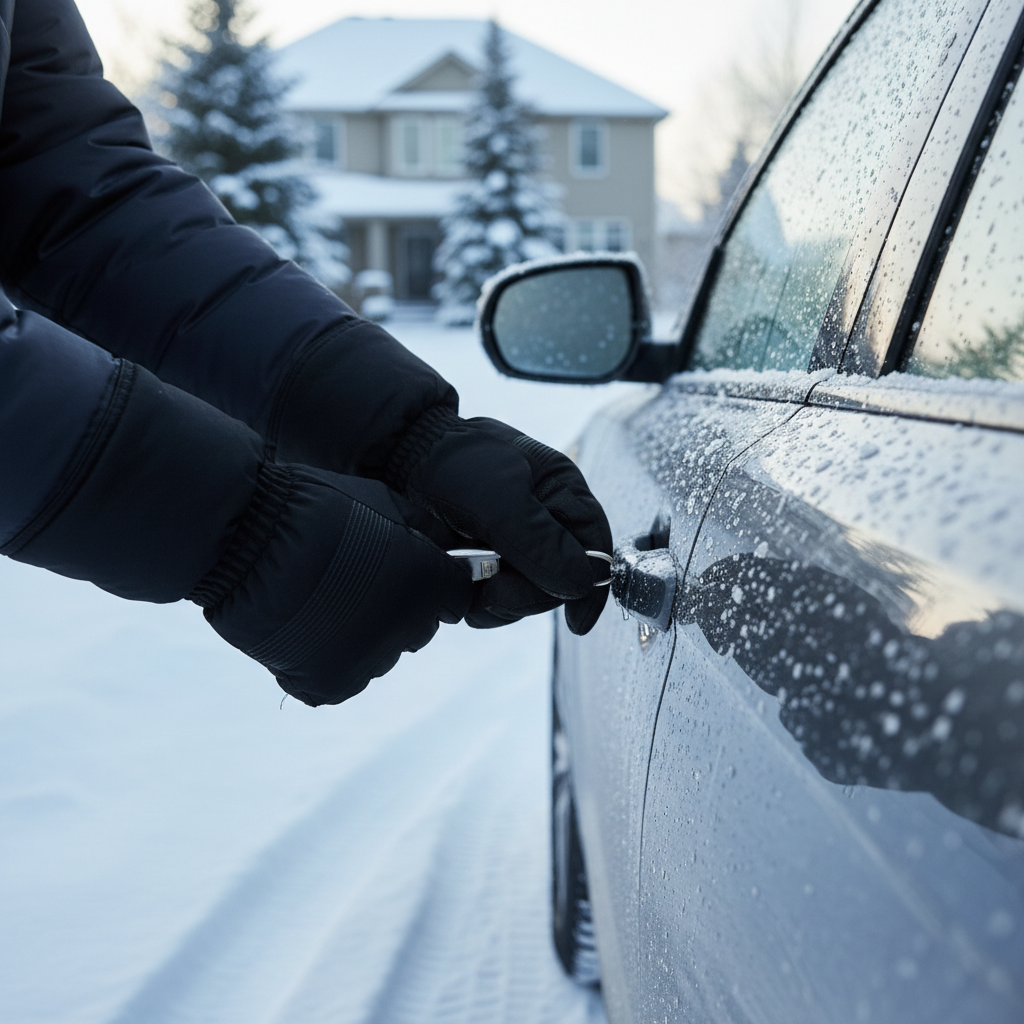
What trips people up is assuming every freeze is the same. Sometimes it’s ice in the key cylinder, sometimes the latch is stuck, and on newer cars it might be the handle or a frameless window seal freezing to the body. This guide helps you diagnose quickly, fix it with minimal risk, then keep it from coming back.
Why car door locks freeze (and what’s actually stuck)
Frozen “locks” aren’t always the lock. The fix depends on what part is iced over.
- Ice in the key cylinder: moisture sits in the cylinder, then freezes overnight.
- Frozen door seal: the rubber weatherstrip sticks to the door frame, the door won’t open even if it unlocks.
- Iced latch/actuator area: slush gets inside the door, refreezes around the latch mechanism.
- Handle frozen in place: water behind the handle or in the linkage freezes, so the handle won’t move normally.
- Electronic lock issues in extreme cold: the battery is weak or the actuator is slow, making it feel “frozen.”
According to AAA, winter conditions can reduce battery performance and create starting and access problems, so it’s smart to consider both ice and power issues when a door won’t respond.
Quick self-check: what kind of freeze are you dealing with?
Before you force anything, take 30 seconds to figure out what’s stuck. This is where most damage happens.
- Key won’t insert or barely goes in: likely ice in the cylinder.
- Key inserts but won’t turn: cylinder ice or frozen wafers/tumblers.
- Key turns and you hear unlock, but door won’t open: usually frozen door seal or latch.
- Remote unlock clicks but handle won’t move: handle/linkage freeze.
- No click, weak lights, slow remote response: battery may be weak in the cold.
Key point: If the key feels like it’s binding, stop. Twisting harder can snap the key or damage the cylinder.
Tools and products that help (and what to avoid)
You don’t need a garage full of gear, but the right product saves time and prevents repeat freezes.
| Item | Best for | Notes |
|---|---|---|
| Lock de-icer (spray) | Key cylinder ice | Fast, targeted; keep in a pocket, not the car |
| Isopropyl alcohol (70–91%) | Emergency de-ice | Can help melt ice; avoid soaking paint/seals |
| Silicone spray (rubber-safe) | Door seals prevention | Helps reduce sticking; apply before storms |
| Graphite or lock-specific lubricant | Cylinder maintenance | Use sparingly; follow product guidance |
| Hair dryer / gentle heat gun | Seal/handle area | Keep moving; don’t overheat paint/plastics |
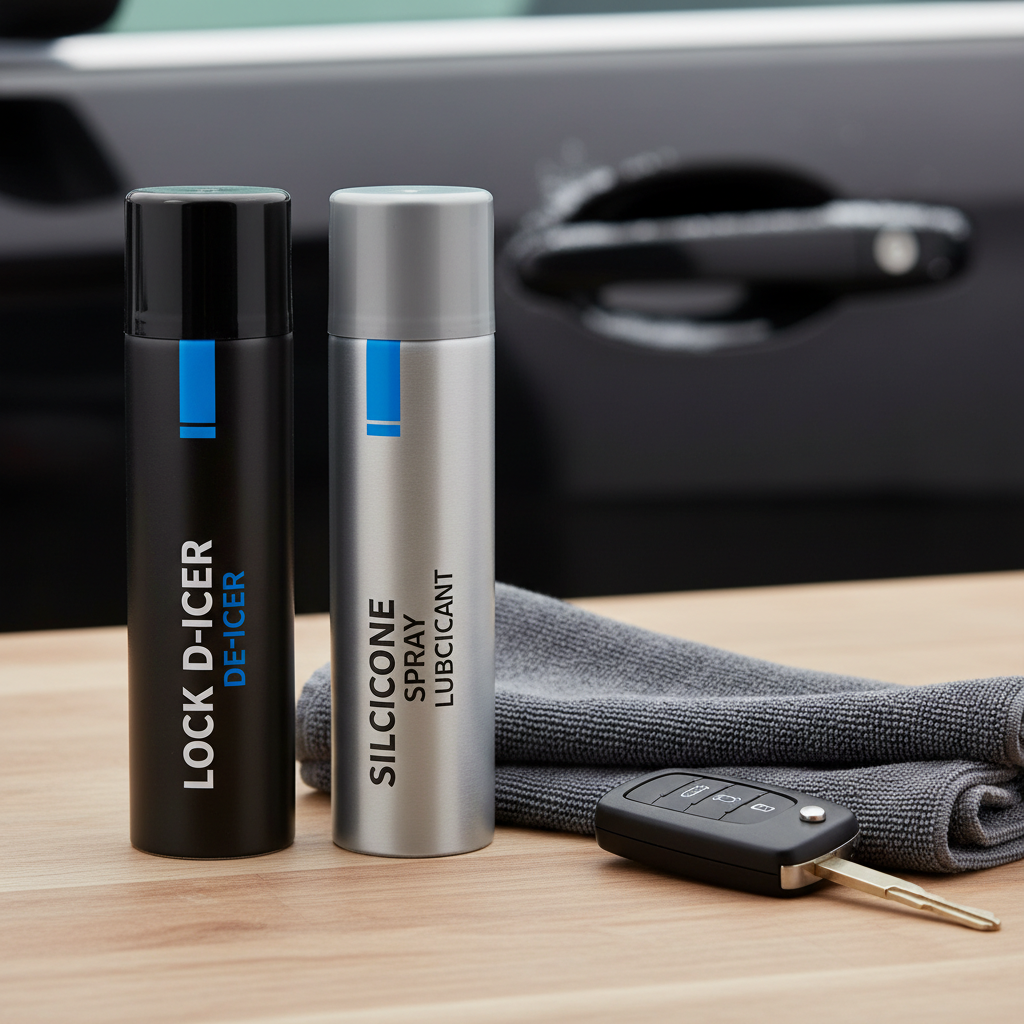
Things to avoid in most cases:
- Boiling water: can crack glass with temperature shock and may refreeze as a thicker ice layer.
- Open flame (lighter, torch): high risk to paint, seals, and you.
- WD-40 as a “fix everything”: it can displace moisture, but it’s not always ideal for long-term lock lubrication; use a lock-appropriate product when possible.
Step-by-step: how to thaw a frozen key cylinder safely
If the key cylinder is the problem, keep it controlled and targeted.
1) Try de-icer first (fastest, least messy)
- Spray de-icer into the key slot per label directions.
- Wait 20–60 seconds, then insert the key gently.
- Wiggle lightly and try turning with steady, moderate pressure, not a sudden twist.
2) No de-icer? Use alcohol as a backup
- Put isopropyl alcohol on the key (a few drops), then insert and remove a couple times.
- If you have a small dropper, add a small amount into the cylinder, not enough to run down the paint.
3) Warm the key (carefully)
- Warm the metal key with your hands or a safe heat source away from the car.
- Insert, wait a moment, remove, repeat.
According to NHTSA, safe driving includes keeping your vehicle in proper operating condition; if a lock is repeatedly freezing, it may indicate moisture intrusion that’s worth addressing before it becomes a bigger reliability issue.
If it unlocks but won’t open: fixing frozen seals and stuck latches
This is the scenario that feels like the lock is frozen, but the door is physically glued shut by ice.
Frozen door seal quick fix
- Confirm the car is unlocked.
- Press along the door edge with your palm to “crack” the ice bond in a few spots.
- If available, warm the perimeter with a hair dryer on low/medium, moving constantly.
- Open the door slowly, watching the rubber seal so it doesn’t tear.
Suspected latch freeze
- Try another door first (passenger/rear). Getting inside may let you warm the cabin and work from a better angle.
- Warm the handle and latch area from the outside with gentle heat.
- If the door opens, dry the latch area with a towel and leave the car running briefly to reduce re-freeze risk.
Don’t pry the door open with tools. It’s a common way to bend the frame or damage trim, and it rarely saves time once something breaks.
Prevent it next time: simple routine that actually works
If you’re searching how to fix frozen car door locks every week, prevention is cheaper than replacing a lock cylinder or torn weatherstrip.
- Condition the seals: wipe door seals clean, then apply a rubber-safe silicone protectant. Do this before a freeze, not after.
- Keep moisture out: after a car wash or warm spell, open each door once and wipe obvious water near seals and the handle pocket.
- Use the right lubricant: for the cylinder, use a lock-specific product sparingly. For hinges/latches, use an appropriate automotive lubricant, not thick grease that can trap grit.
- Store de-icer in your coat: if it’s in the glove box, it’s trapped behind the frozen door.
- Address weak batteries: if your remote struggles in cold weather, consider battery testing and replacement before deep winter.
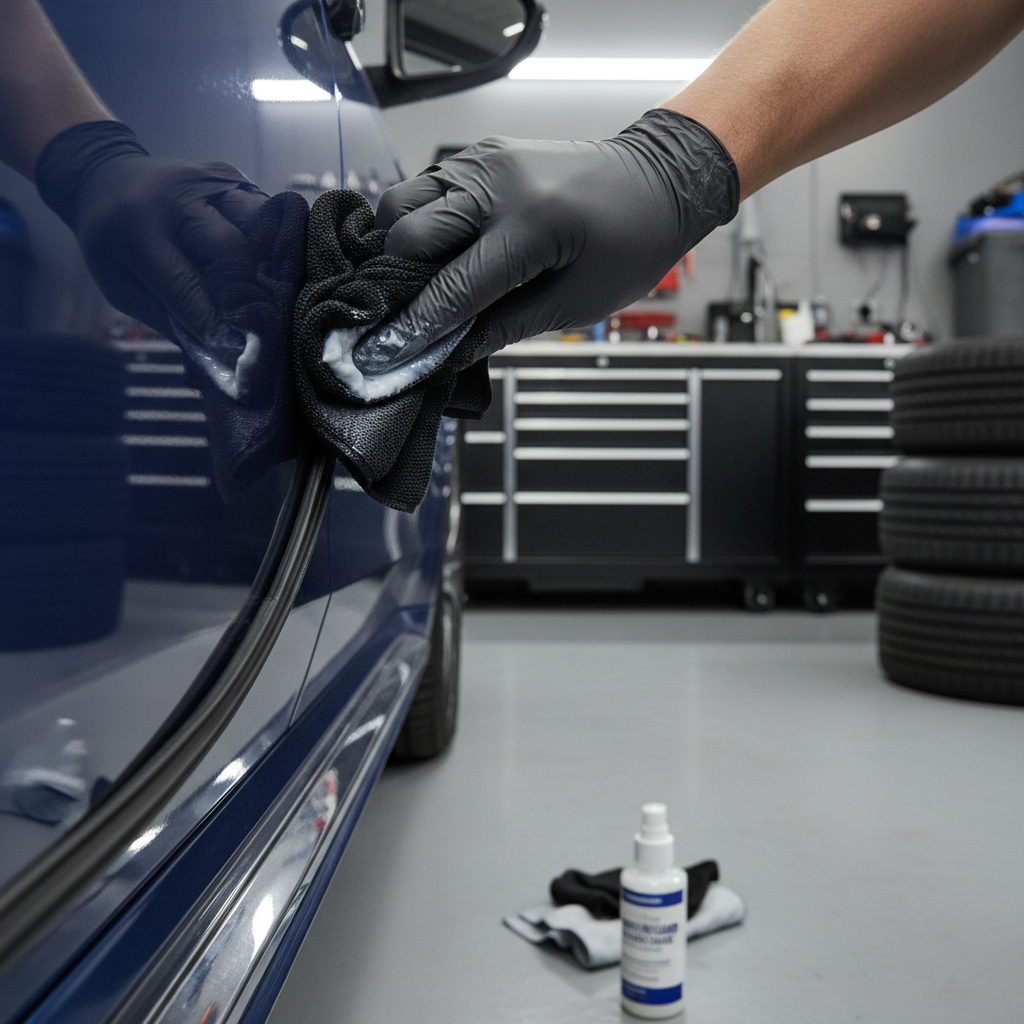
Quick takeaway list:
- De-icer for the cylinder, silicone for the seals, gentle heat for the perimeter.
- If the key binds, stop and thaw more.
- Prevention works best right before a cold snap.
Common mistakes that make frozen locks worse
- Forcing the key: snapped keys and damaged tumblers are common outcomes.
- Soaking the lock with water-based fluids: you may melt it now and refreeze it later.
- Overheating one spot: concentrated heat can haze plastic trim, soften seals, or harm paint clearcoat.
- Ignoring repeat freezes: recurring lock ice can mean worn seals, misaligned trim, or water getting into the door.
If your vehicle has a frameless window or tight door fit, be extra patient. Those designs can stick more easily, and yanking the door can stress the glass alignment.
When it’s time to call a locksmith, roadside assistance, or a shop
DIY is fine for light to moderate ice, but there are clear lines where calling for help saves money and frustration.
- The key won’t insert at all and you have no safe way to thaw it.
- You suspect a broken key fragment in the cylinder.
- The door opens, but the lock/handle keeps freezing every day, suggesting moisture intrusion.
- The car is unlocked but the door won’t budge, and you’re tempted to pry or kick.
- You’re in a risky situation (extreme cold exposure, unsafe location). In that case, it’s reasonable to call roadside assistance rather than experiment.
If your car is under warranty, it may be worth asking the dealer whether a seal adjustment or latch service is covered. Policies vary by manufacturer and condition, so it’s typically a quick call.
Conclusion: a practical way to get back on the road
How to fix frozen car door locks is mostly about using targeted thawing, not brute force, then doing a small amount of prep so you’re not fighting the same ice tomorrow.
Action steps: keep a small lock de-icer where you can reach it outdoors, and treat door seals with a rubber-safe silicone protectant before the next freeze. If the problem repeats or the key binds hard, calling a locksmith or a shop is often the more sensible move than risking damage.