
Best car air fresheners for natural scents aren’t about making your cabin smell like a perfume counter, they’re about getting a clean, comfortable vibe without triggering headaches, “new-car chemical” clashes, or that sticky artificial cloud that never really goes away.
If you’ve ever bought a “fresh linen” vent clip and regretted it five minutes into the drive, you already know why this topic matters, your car is a small enclosed space, and scent intensity can turn from pleasant to annoying fast.
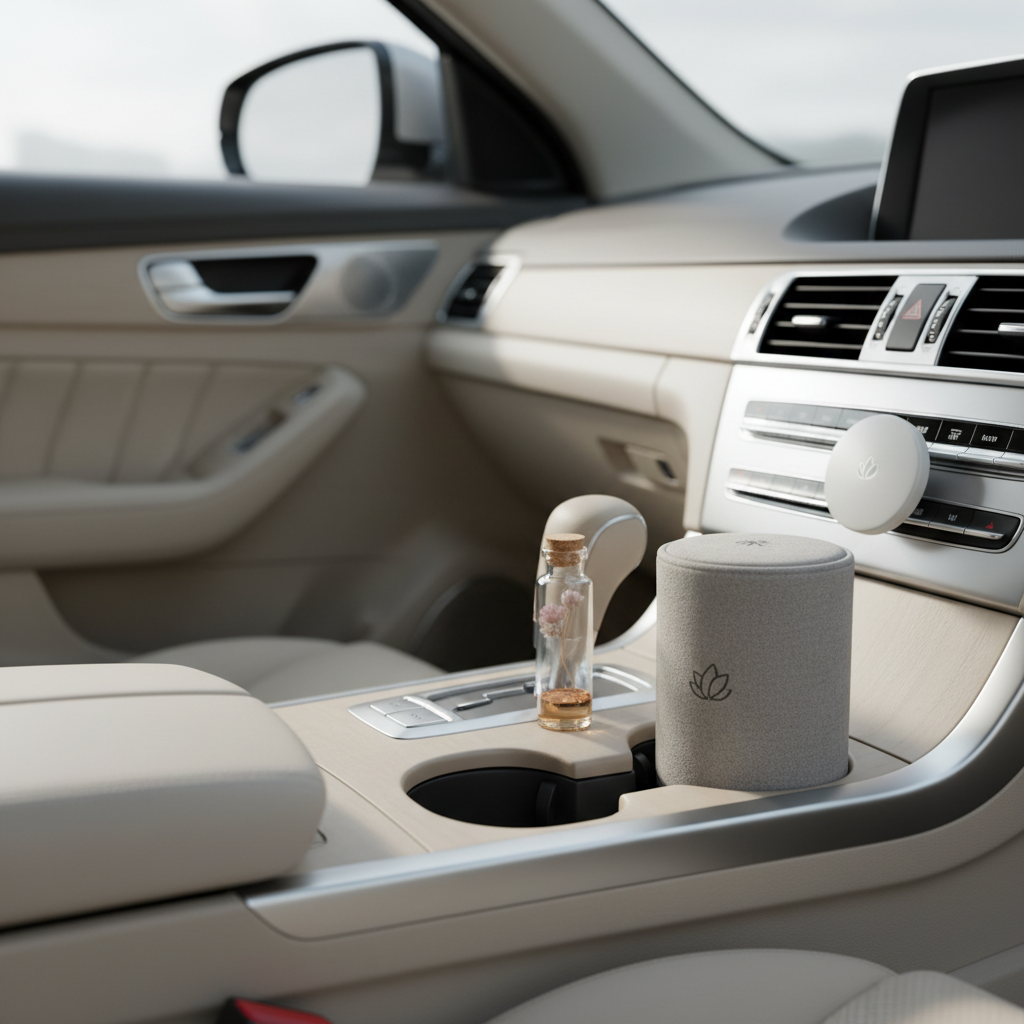
This guide stays practical: what “natural” usually means in car fragrance, which formats tend to feel safer and less overpowering, how to pick a scent profile that won’t fight your upholstery, and a short checklist to help you decide what fits your habits. I’ll also flag common ingredient and usage mistakes, because a good product can still be miserable when it’s used wrong.
What “natural” really means for car scents (and what it doesn’t)
In car air fresheners, “natural” often means the scent comes from essential oils or plant-derived aromatics, and the carrier materials might be paper, wood, felt, or porous stone. It does not automatically mean non-irritating or risk-free, essential oils are still concentrated chemicals.
According to the U.S. Food and Drug Administration (FDA), the term “natural” on consumer products can be interpreted in different ways depending on category, so labels can be a starting point, not the finish line. For car fragrance, the more useful approach is reading for clear ingredient disclosures and avoiding vague “fragrance” when you want more transparency.
- More transparent: lists of specific essential oils, safety notes, refill composition
- Less transparent: “fragrance/parfum” only, no guidance on ventilation or duration
- Not the same as hypoallergenic: natural ingredients can still irritate some people
Why some air fresheners feel harsh in a car
A car cabin amplifies scent because airflow is forced through vents and the interior volume is small. Heat also changes how fast volatile compounds evaporate, so a product that seems mild at home can get intense on a sunny day.
There are a few repeat offenders behind “instant regret” buys, and they’re usually about delivery method, dosage, and the base materials rather than the idea of fragrance itself.
- Overpowered delivery: vent clips can dump scent fast when the fan runs high
- Heat spikes: summer temps can make oils or gels off-gas more aggressively
- Mixed odors: fragrance layering on top of food, smoke, or damp carpets turns weird
- Sensitivities: migraines, asthma, and allergies can be triggered by certain aromatics
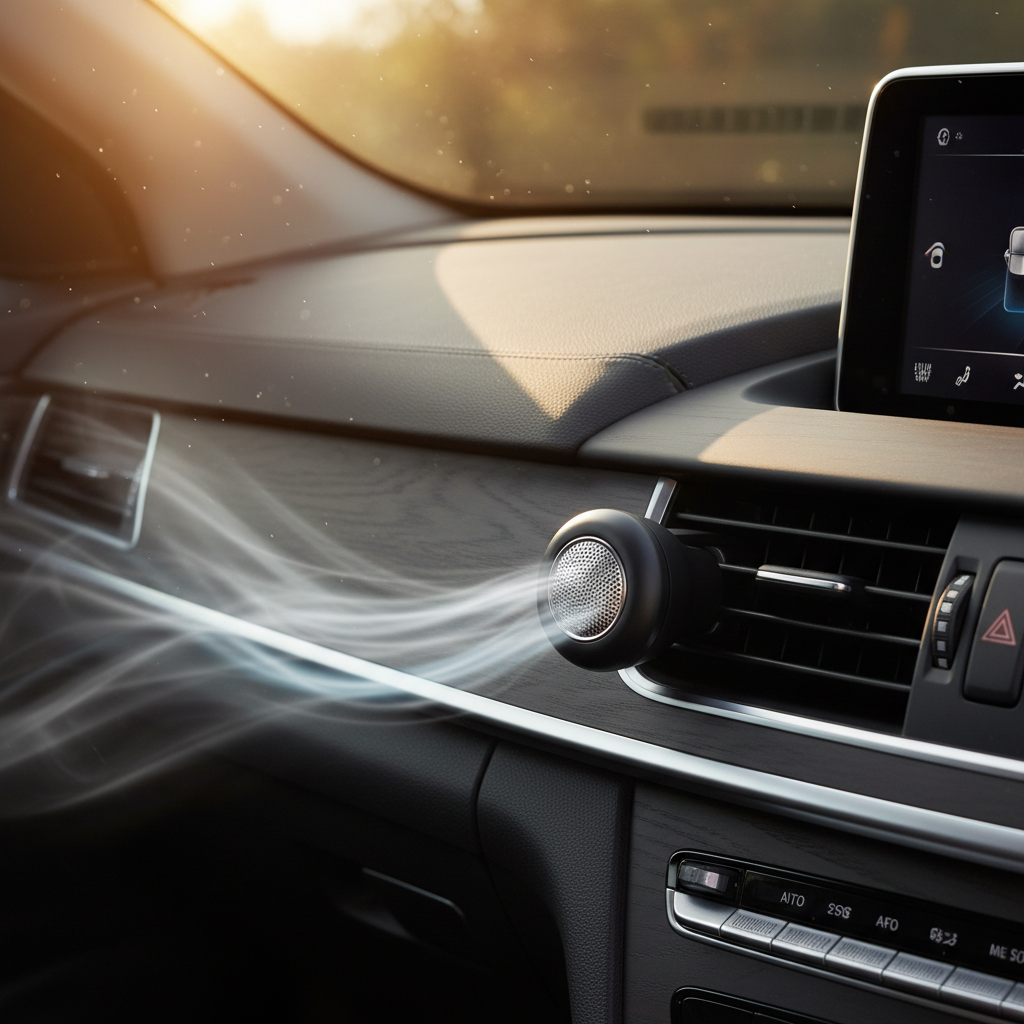
If you’re chasing best car air fresheners for natural scents, you usually want controlled diffusion and a “clean” scent profile, not a blast of fragrance every time you start the engine.
Quick comparison: natural-leaning options by type
Format matters as much as ingredients. Here’s a practical table you can use to narrow down choices before you even look at brands.
| Type | How it works | Why people like it | Watch-outs |
|---|---|---|---|
| Essential oil vent clip (controlled) | Oil diffuses through pad near airflow | Adjustable intensity, easy swap pads | Can get strong with high fan + heat |
| Hanging diffuser (wood cap) | Oil wicks through cap slowly | Gentler, often looks nicer | Spills possible, keep upright |
| Charcoal odor absorber | Adsorbs odors rather than masking | Truly “neutral,” great baseline | No scent, needs sun “recharge” |
| Natural wax/soy tin | Slow release from wax base | Even scent, low maintenance | Can soften in heat, check placement |
| Baking soda style deodorizer | Absorbs some odor compounds | Cheap, simple | Limited impact on heavy odors |
How to choose a natural scent profile that won’t get old
Scent fatigue is real, and cars tend to trap “sweet” notes. If you want something that stays pleasant across commutes, errands, and longer drives, start with lighter profiles and use intensity control as your best friend.
Reliable “safe-feeling” scent families
- Citrus (lemon, bergamot, grapefruit): reads clean, but can turn sharp if too strong
- Herbal (lavender, rosemary): calming for many people, not everyone loves it in a car
- Woody (cedar, sandalwood): hides “car smells” well, feels less sugary
- Mint/eucalyptus: refreshing, but can feel intense for sensitive passengers
A simple rule that prevents most bad picks
If you’re unsure, avoid “bakery” and heavy vanilla for the car. Those can feel cozy at home, but in a warm cabin they often read as cloying, and they mix poorly with fast food odors.
Self-check: which option fits your situation?
This is the part most guides skip, but it matters. The same product can be perfect for a solo commuter and a nightmare for a rideshare driver.
- You get headaches easily: start with charcoal + a very light passive diffuser, keep windows cracked briefly after parking in heat
- You drive with kids/pets: choose spill-resistant formats, avoid dangling glass bottles, consider “odor removal first” before scent
- You smoke or carry food: deodorize the source (filters, fabrics) and use a clean herbal/woody top note
- You want set-and-forget: wax/soy tin or a low-output diffuser, placed away from direct sun
- You do Uber/Lyft: keep it subtle, many passengers prefer nearly unscented, offer a neutral cabin
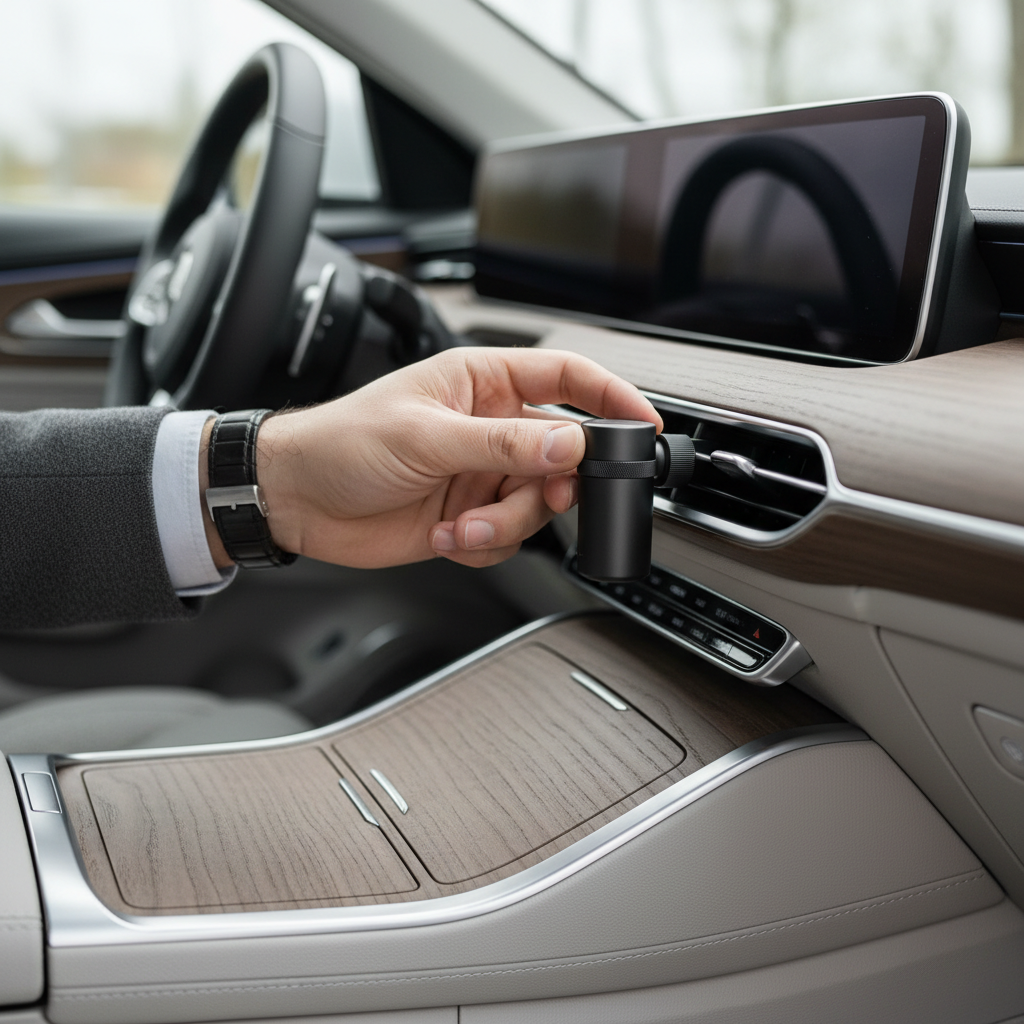
If your goal is best car air fresheners for natural scents, the “best” one is often the least noticeable one that still makes the cabin feel fresh when you first get in.
Practical steps: make natural car scents last (without making them louder)
Most people respond to fading scent by adding more product. That’s how you end up with overload. Instead, improve the baseline first, then use a light fragrance on top.
Step 1: Remove odor sources before adding fragrance
- Empty trash, cups, and trunk bags, even “sealed” containers leak smell
- Wipe sticky surfaces, sugar residue keeps odors alive
- Check floor mats and under seats for dampness
- Replace cabin air filter if it’s old or musty
Step 2: Choose low-and-slow diffusion
- Prefer passive diffusion (wood cap, felt, porous stone) for a steadier output
- If you use a vent clip, run it on lower fan settings and rotate it off when parked in heat
Step 3: Use placement to control intensity
- Keep products out of direct sunlight when possible
- Avoid placing oils where spills could touch plastics, leather, or screens
- Start at half strength for 48 hours, then adjust
In a lot of cars, doing the boring stuff, cleaning and airflow, makes a bigger difference than chasing stronger fragrance. After that, natural scents feel “clean” instead of like cover-up.
Safety notes and common mistakes (worth reading)
Natural scent doesn’t guarantee safety for everyone. Essential oils and plant extracts can irritate skin, eyes, or airways, and some compounds may be more problematic for certain people or pets. If anyone in the car has asthma, migraines, or chemical sensitivities, consider consulting a medical professional and keep scent minimal.
- Mistake: “More drops = more natural.” Better: fewer drops, longer testing window
- Mistake: hanging bottle swinging freely. Better: secure placement to reduce spill risk
- Mistake: masking mildew smell with fragrance. Better: fix moisture source, then add scent
- Mistake: using strong diffuser during rides with passengers. Better: keep cabin close to neutral
According to the U.S. Environmental Protection Agency (EPA), indoor air quality can be affected by many sources, so if you notice persistent irritation or a strong chemical smell that doesn’t make sense, it’s smart to step back and assess ventilation, materials, and any recent interior treatments.
Key takeaways (so you can pick quickly)
- Start with odor removal, then add a subtle scent, it works better and feels cleaner
- Pick controlled formats if you dislike strong fragrance, passive diffusion beats “burst” delivery
- Choose lighter scent families like citrus, herbal, or woody notes to avoid cloying buildup
- Use less than you think, especially in heat, your future self will thank you
Conclusion: what I’d do in a normal, real-life car
If you want a natural-smelling cabin without drama, I’d treat this as a two-part system: keep a charcoal absorber in the car as your baseline, then add a light essential-oil or wax-based option for a gentle “clean” note. That combo tends to deliver the vibe people expect when they search for best car air fresheners for natural scents, fresh air first, fragrance second.
Your next move can be simple: pick one low-and-slow diffuser format, choose a light scent family, and test at low intensity for a couple of days before you commit to stronger output.
FAQ
- What are the best car air fresheners for natural scents if I hate strong fragrance?
Look for passive diffusers (wood cap, felt pad, porous stone) or skip scent entirely and use charcoal odor absorbers. Many people find “less noticeable” feels more natural in a small cabin. - Do charcoal air fresheners actually work, or is it hype?
They can help reduce odors by adsorption rather than covering smells. They’re usually most effective for mild to moderate lingering odors, not active sources like spills or mildew. - Are essential oil car fresheners safe to use every day?
For many drivers, low-level use is fine, but sensitivities vary a lot. If anyone experiences headaches, coughing, or irritation, reduce intensity, improve ventilation, or consider avoiding fragrance and asking a medical professional if you’re unsure. - How do I make a natural car scent last longer without adding more oil?
Lower the diffusion rate: keep it out of direct sun, reduce vent airflow over the pad, and improve the baseline cleanliness so the scent doesn’t have to “fight” odors. - Why does my car air freshener smell good at first and then turn weird?
Usually it’s mixing with existing odors, heat changing evaporation, or the “top notes” fading and leaving heavier base notes. Cleaning fabrics and choosing lighter profiles reduces that shift. - What scent works best for rideshare or carpooling?
Go subtle or neutral. Light citrus or mild woody notes tend to offend fewer people, but many passengers prefer barely scented cabins, so keep intensity low and avoid sweet or musky blends. - Is “fragrance-free” better than natural scents?
It depends on your goal. If you’re sensitive or drive with sensitive passengers, fragrance-free plus odor control can be the most comfortable option, and it still makes the car feel clean.
If you’re trying to create a cleaner cabin experience with less trial-and-error, it can help to start with an odor-control base and then add a gentle, adjustable natural scent option, that way you’re not relying on stronger fragrance to solve a problem it can’t really fix.