
how to fix car heater not blowing hot air usually comes down to one of three things: the engine never reaches proper temperature, hot coolant never flows through the heater core, or air can’t move across it the way it should.
If you’re sitting in traffic with the fan on full blast and the vents still feel cold, it’s more than comfort, it can be a clue your cooling system has a problem that might get worse if ignored.
In this guide, I’ll help you narrow it down with quick checks you can do in your driveway, plus realistic “when to stop” points so you don’t chase parts blindly.

Start with the two fastest clues: engine temp and airflow
Before you open the hood, check two things that often point to the right subsystem.
- Engine temperature gauge: After 10–15 minutes of driving, does it rise to the normal range and stay stable? If it stays low, heat may never get “made.”
- Airflow strength: Does the fan blow strongly but cold, or is the airflow weak even on high? Strong-but-cold hints at coolant flow or blend door issues, weak airflow leans toward blower, cabin filter, or duct problems.
Also do a quick mode test: switch from VENT to DEFROST and back. If airflow direction does not change, a door actuator or vacuum issue may be involved on some vehicles.
Common causes when a car heater won’t blow hot air
People often assume “heater is broken,” but the heater is basically a small radiator using engine heat. That means small cooling-system problems can show up as cold air in the cabin.
- Low coolant level or trapped air: Not enough coolant, or an air pocket, can keep hot coolant from reaching the heater core.
- Thermostat stuck open: Engine runs cool, especially on highways, and the cabin never gets real heat.
- Clogged heater core: Hot coolant can’t circulate through the core, often causing one heater hose hot and the other much cooler.
- Blend door/actuator problem: The system mixes cold and hot air. If the door sticks on “cold,” you get chilly air even if coolant is hot.
- Water pump or cooling system circulation issue: Less common, but poor flow can reduce heater output and sometimes causes overheating at idle.
- Blower motor, resistor, or cabin air filter: These don’t change coolant temperature, but they change how much air actually reaches you.
Key point: If the temperature gauge reads hot or you see steam, stop driving and let the engine cool. Overheating can become expensive quickly.
Quick diagnosis table (symptom → likely cause → what to check)
This table won’t replace a full inspection, but it helps you avoid guessing.
| What you notice | Most likely cause | Fast check to confirm |
|---|---|---|
| Temp gauge stays low, heat weak at any speed | Thermostat stuck open | After warm-up, upper radiator hose warms too early; gauge never reaches normal |
| Heat works sometimes, gurgling sound behind dash | Air trapped / low coolant | Coolant reservoir low when cold; heater output changes with rpm |
| One heater hose hot, the other noticeably cooler | Restricted heater core | Carefully feel hoses when warm; big temperature difference suggests blockage |
| Fan blows strong but always cold, temp gauge normal | Blend door/actuator issue | Change temp knob, listen for actuator movement; scan HVAC codes if available |
| Airflow weak, musty smell, defrost poor | Clogged cabin air filter | Inspect filter behind glove box; replace if dirty |
| Heats at speed but goes cold at idle | Low coolant or circulation issue | Coolant level check; inspect for leaks; consider water pump/thermostat after basics |
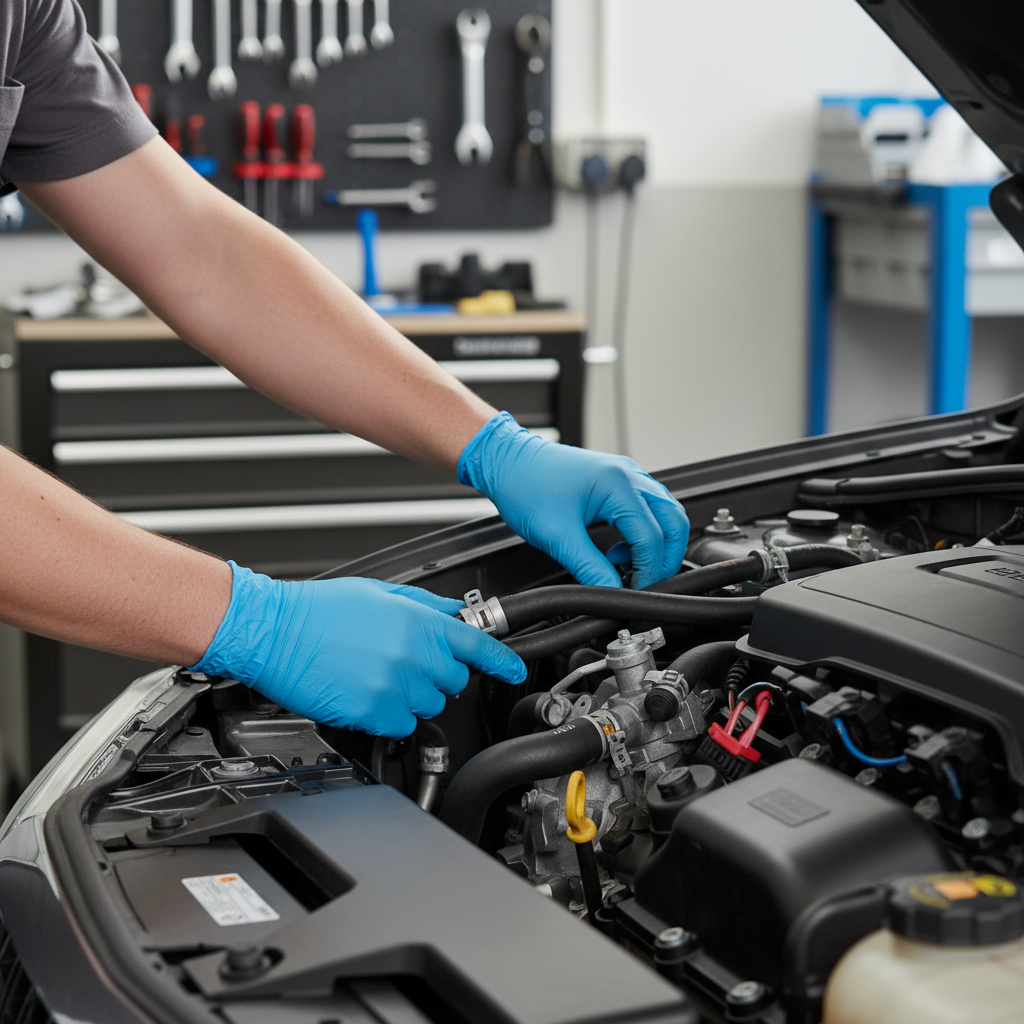
DIY checks you can do safely (in order that usually saves time)
When people search how to fix car heater not blowing hot air, they often jump to flushing the heater core. I’d hold off until you confirm the basics below.
1) Check coolant level (engine cold)
Let the engine cool fully, then check the coolant reservoir level against the MIN/MAX marks. If it’s low, there’s usually a reason: a leak, a bad cap, or air trapped after prior work.
- What to do: Top up with the correct coolant type for your vehicle, then monitor level for a few days.
- What it tells you: If heat returns temporarily, coolant level/air is very likely part of the issue.
According to NHTSA, you should never open a hot radiator cap because pressurized coolant can cause burns. If you’re unsure, wait longer or ask a shop to check it.
2) Confirm the engine reaches normal operating temperature
Start the car cold and drive normally. If the needle barely moves, or drops when you’re cruising, a thermostat stuck open is a common culprit.
- Practical hint: A stuck-open thermostat often means “lukewarm air,” not ice-cold. It’s a subtle but common winter complaint.
3) Feel heater hoses for a temperature mismatch
With the engine warm and the heater set to hot, locate the two heater hoses going into the firewall. Carefully touch near the firewall, avoiding moving parts and hot components.
- Both hoses hot: Coolant likely flows, so look harder at blend doors or airflow control.
- One hot, one much cooler: Flow restriction in the heater core or a control valve issue.
4) Check cabin air filter and blower performance
A clogged cabin filter can make the heater feel “not hot” because barely any air reaches the cabin, especially at defrost vents.
- What to do: Inspect and replace if dirty. If the blower speeds don’t change correctly, the blower resistor or motor may be failing.
Fixes by scenario (what usually works, and what to avoid)
Below are realistic fixes tied to what you find, not a random parts list.
If coolant was low or you suspect air in the system
- Refill correctly: Use the manufacturer-specified coolant and the proper mix. Mixing types can create sludge in some cases.
- Bleed air if required: Many vehicles have a bleed screw or a specific procedure. If you don’t know the process for your model, a service manual or shop is safer than improvising.
- Look for leaks: Wet carpet (heater core leak), sweet smell, crusty residue near hoses, or a dripping radiator end tank are common clues.
Don’t ignore repeated low coolant. Heat might come back today, but the underlying leak tends to grow.
If the thermostat is likely stuck open
- Replace thermostat and gasket: Many times it’s straightforward, but access varies a lot by vehicle.
- Plan for new coolant: You often need to drain some coolant and burp air afterward.
After replacement, confirm normal gauge behavior and consistent heat at idle and at speed.
If the heater core seems restricted
A heater core flush can help, but it’s not always a magic fix, and aggressive flushing can create leaks on an already-weak core.
- Gentle backflush: A low-pressure flush in reverse direction sometimes restores flow.
- Be cautious with chemicals: Use products meant for cooling systems, and follow instructions closely.
- Know when replacement is smarter: If the core is leaking (foggy windows with sweet smell, oily film), flushing won’t solve it.
If the blend door or actuator is the problem
This is where many DIY attempts stall, because the cooling system may be fine. You’re dealing with HVAC controls behind the dash.
- Listen and observe: Turn temperature from cold to hot. Clicking, no sound, or stuck temperature can suggest actuator failure.
- Try a recalibration: Some vehicles allow HVAC actuator relearn by pulling a fuse or disconnecting the battery briefly, but the correct procedure is model-specific.
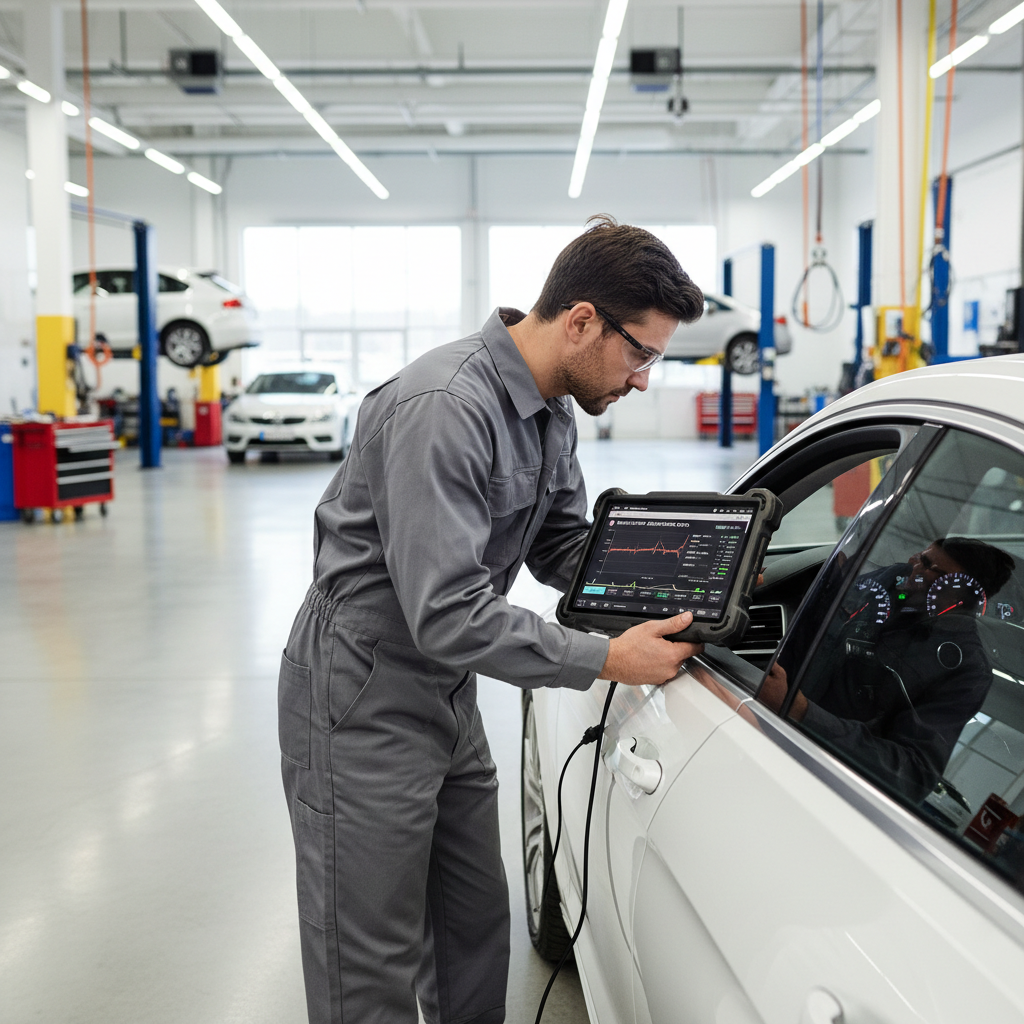
- Scan for HVAC codes: Some scanners read HVAC modules, not just the engine. That can save hours.
If access requires major dash disassembly, many owners choose a shop. It’s not about skill, it’s about time and broken clips.
Common mistakes that waste time (and money)
- Replacing the heater core first: It’s often labor-heavy. Confirm coolant level, thermostat behavior, and hose temps before committing.
- Assuming “fan works” means airflow is fine: A clogged cabin filter can make a strong blower sound with weak vent flow.
- Topping off coolant without asking why it’s low: A small leak can turn into overheating, then you’re dealing with more than cabin heat.
- Opening the cooling system hot: Burns happen fast. Wait until cold and follow safe handling practices.
According to AAA, routine vehicle maintenance checks help reduce breakdown risk. In practice, cooling system neglect is one of the easiest ways to turn a “no heat” annoyance into a tow.
When it’s time to get professional help
DIY makes sense up to the point where risk or uncertainty jumps. A shop is usually the better move if:
- You see overheating, coolant loss you can’t locate, or repeated low coolant after topping off
- You suspect a water pump issue, head gasket concern, or internal blockage beyond the heater core
- The fix involves airbag-adjacent dash work or deep HVAC disassembly
- You want the system pressure-tested and vacuum-filled to remove air properly
Ask for a cooling system pressure test and a heater performance diagnosis. Clear requests tend to get clearer answers.
Practical “get heat today” tips (temporary, not a cure)
If you’re trying to get through a cold week while you schedule repairs, these can help in many cases, but they won’t solve an underlying coolant leak or a failed part.
- Use recirculation once the cabin warms: It reduces the amount of ice-cold outside air the heater must warm.
- Confirm MAX HEAT and correct mode: Some systems blend air even when set hot, so ensure it’s truly at max temperature.
- Raise engine rpm slightly at idle: If heat improves, it hints at low coolant/air pocket or circulation issues.
Conclusion: fix the cause, not the symptom
When you’re figuring out how to fix car heater not blowing hot air, the fastest path is usually: verify coolant level and engine temperature, check heater hose temperatures, then decide whether the issue sits in the cooling system or inside the HVAC box.
Action steps: If the temp gauge stays low, plan for a thermostat check. If coolant is low, top up correctly and find the leak. If hoses show a big temperature split, consider a careful heater-core flow check or a shop diagnosis.
If you want, tell me your vehicle year/make/model, whether the engine reaches normal temp, and what the heater hoses feel like. With those three details, it’s often possible to narrow the next best step quickly.