
How to fix car ac compressor noise usually starts with one unglamorous step: figuring out what kind of noise you’re hearing and when it happens. A squeal at startup, a rattle only with A/C on, or a grinding sound that gets worse at idle can point to very different problems.
Compressor noise matters because it rarely stays “just a noise.” In many cases the sound shows up before cooling drops, and that’s when you still have options: a small fix, a targeted part replacement, or a smart decision to stop running the A/C before it spreads metal debris through the system.
A common misconception is blaming the compressor every time the A/C gets loud. In reality, the belt drive, clutch, pulley bearing, mounting hardware, or even refrigerant charge can create noises that mimic compressor failure. This guide helps you narrow it down, run a few safe checks, and choose a repair path that makes sense for your car and budget.
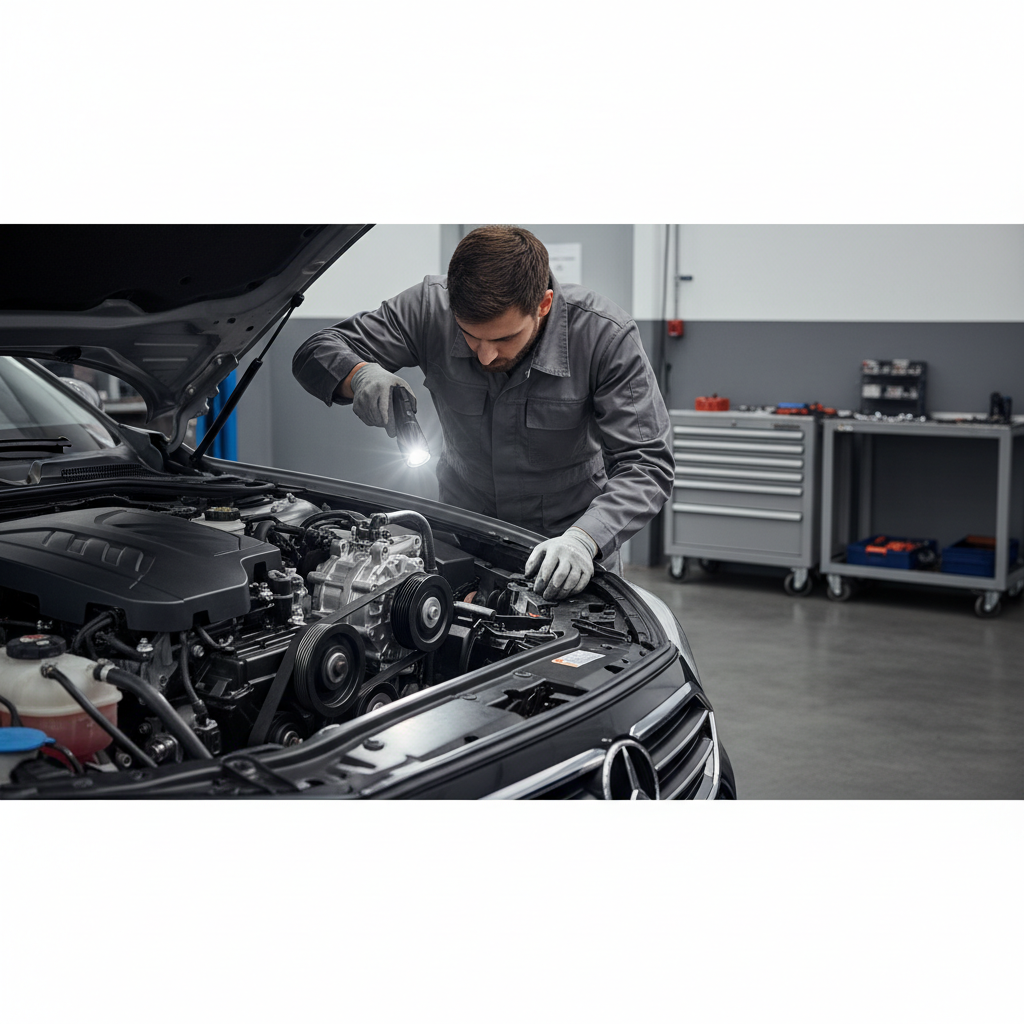
What the noise is telling you (quick sound-to-cause map)
Different sounds tend to correlate with different failures, and the “when” matters as much as the “what.” Use this as a starting point, not a verdict.
| Noise | When you hear it | Likely causes | Risk if ignored |
|---|---|---|---|
| Squeal / chirp | Start-up, A/C kicks on | Belt slip, weak tensioner, clutch drag, misaligned pulley | Thrown belt, loss of A/C (and sometimes charging/steering depending on layout) |
| Rattle / tapping | Idle, bumps, A/C on | Loose mounting bolts, worn clutch hub, line bracket vibration | Progressive wear, refrigerant line damage in worst cases |
| Grinding / growl | A/C on, often louder with RPM | Compressor internal wear, pulley bearing failing | Metal contamination, compressor seizure |
| Hiss | Right after shutdown or during operation | Normal pressure equalization, or refrigerant leak | Loss of cooling, possible compressor damage from low charge |
| Clicking / clacking | Repeated cycling on/off | Low refrigerant, pressure switch behavior, electrical/clutch issues | Overheating clutch, poor cooling |
Why car A/C compressors get noisy in real life
Most noisy compressors aren’t “random failures.” They usually follow a pattern, and spotting the pattern helps you avoid replacing the wrong part.
- Belt and tension problems: A glazed serpentine belt or weak tensioner can squeal the moment the compressor loads up.
- Worn clutch or pulley bearing: Many vehicles make noise from the pulley bearing even when the A/C is off, then change tone when the clutch engages.
- Low refrigerant charge: Not just “warm air.” Low charge can cause rapid clutch cycling and chatter, plus poor lubrication return to the compressor in some designs.
- Overcharge or airflow issues: Too much refrigerant or poor condenser airflow (debris, bad fan) can raise head pressure, making the system strain and sound harsher.
- Internal compressor wear: A growl or grinding that tracks engine RPM with A/C on is often the one people fear, because it can shed metal into the system.
- Vibration and mounting: A slightly loose bracket or line clamp can rattle only at certain RPM, and it’s easy to misdiagnose as “the compressor.”
According to NHTSA, drivers should address unusual vehicle noises that could indicate a mechanical problem, and seek qualified service when needed. That’s especially true if the noise is paired with smoke smell, belt dust, or visible wobble at a pulley.
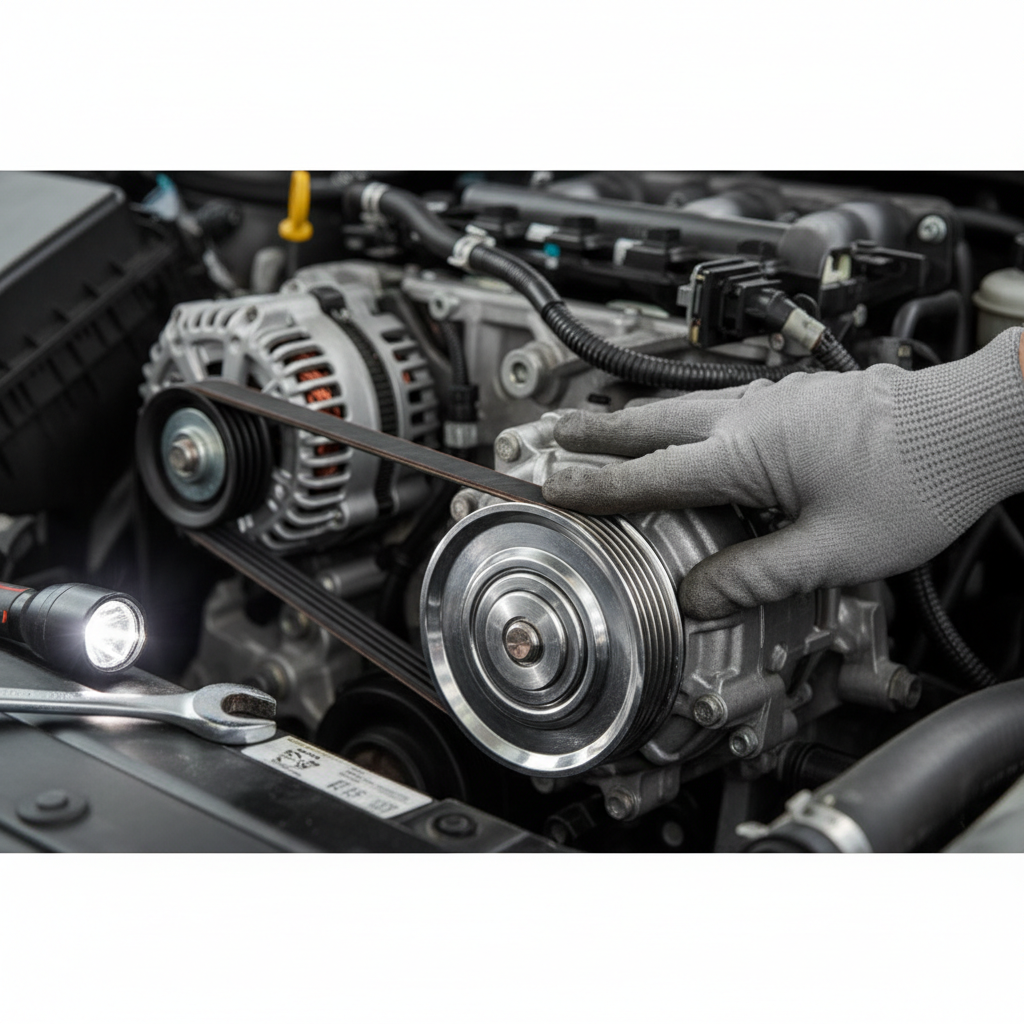
Self-check checklist: confirm it’s the compressor (not something nearby)
Before you chase how to fix car ac compressor noise with parts and money, run a few basic checks that don’t require specialized A/C tools. If anything feels unsafe, stop and have a shop take over.
- When does the noise start? Engine on but A/C off, or only when A/C is commanded on.
- Does the sound change with RPM? A belt or bearing usually follows RPM, a loose bracket can come and go at a narrow RPM band.
- Watch the clutch engagement: With A/C on, the clutch plate should engage smoothly, not chatter or wobble.
- Look for belt dust or glazing: Black dust near pulleys often points to belt slip.
- Check pulley wobble (visual only): Any visible wobble at idle is a red flag.
- Cooling performance: If noise plus weak cooling shows up together, treat it as higher priority.
Safety note: Keep hands, hair, and clothing away from belts and fans. Avoid using improvised tools near moving pulleys. If you need closer diagnosis, a professional may use an automotive stethoscope safely with proper technique.
Fixes by scenario (practical steps that usually work)
This is where people want a single answer, but the best repair depends on what you found above. Here are the common paths, from “simple and likely” to “bigger ticket.”
Squealing when A/C turns on: belt, tensioner, or clutch load
- Inspect belt condition and routing: Cracks, glazing, contamination from oil/coolant can cause slip.
- Check tensioner behavior: A weak tensioner can’t keep grip when compressor load spikes. Many times this is the real culprit.
- Correct pulley alignment: Misalignment from a bent bracket or incorrect pulley can chirp under load.
- If belt and tensioner are healthy: clutch drag or clutch bearing issues become more likely, especially if the sound is sharp and repeatable.
Rattle at idle with A/C on: mounts, brackets, clutch hub
- Check compressor mounting bolts: Slight looseness can transmit a nasty rattle through the bracket.
- Inspect line brackets and shields: A vibrating A/C line against a heat shield can sound like internal compressor knock.
- Listen for clutch hub rattle: Some clutch assemblies develop play and rattle when engaged; replacing the clutch can be cheaper than a full compressor, if the compressor itself is healthy.
Clicking and frequent cycling: charge, pressure switches, airflow
- Check cabin air and condenser airflow basics: plugged cabin filter won’t cause compressor noise directly, but weak airflow leads to complaints that get misattributed.
- Inspect condenser for debris: blocked fins raise pressures and can make operation louder.
- Don’t “top off” blindly: Without gauges and proper procedure, overcharge is a real risk. In many cases, a shop should confirm charge level and check for leaks.
Grinding or growling: pulley bearing vs internal compressor wear
- If noise exists with A/C off: pulley bearing can be failing, because the pulley spins anytime the engine runs on most clutch-style systems.
- If noise mainly with A/C on: internal wear becomes more likely, especially if cooling is inconsistent or there’s visible clutch heat.
- Plan for system protection: if internal failure is suspected, continuing to run the A/C can spread debris. Many shops will recommend compressor replacement plus a receiver-drier/accumulator and often an expansion valve/orifice tube, plus flushing, depending on the failure mode and manufacturer guidance.
DIY vs shop repair: what’s realistic and what’s risky
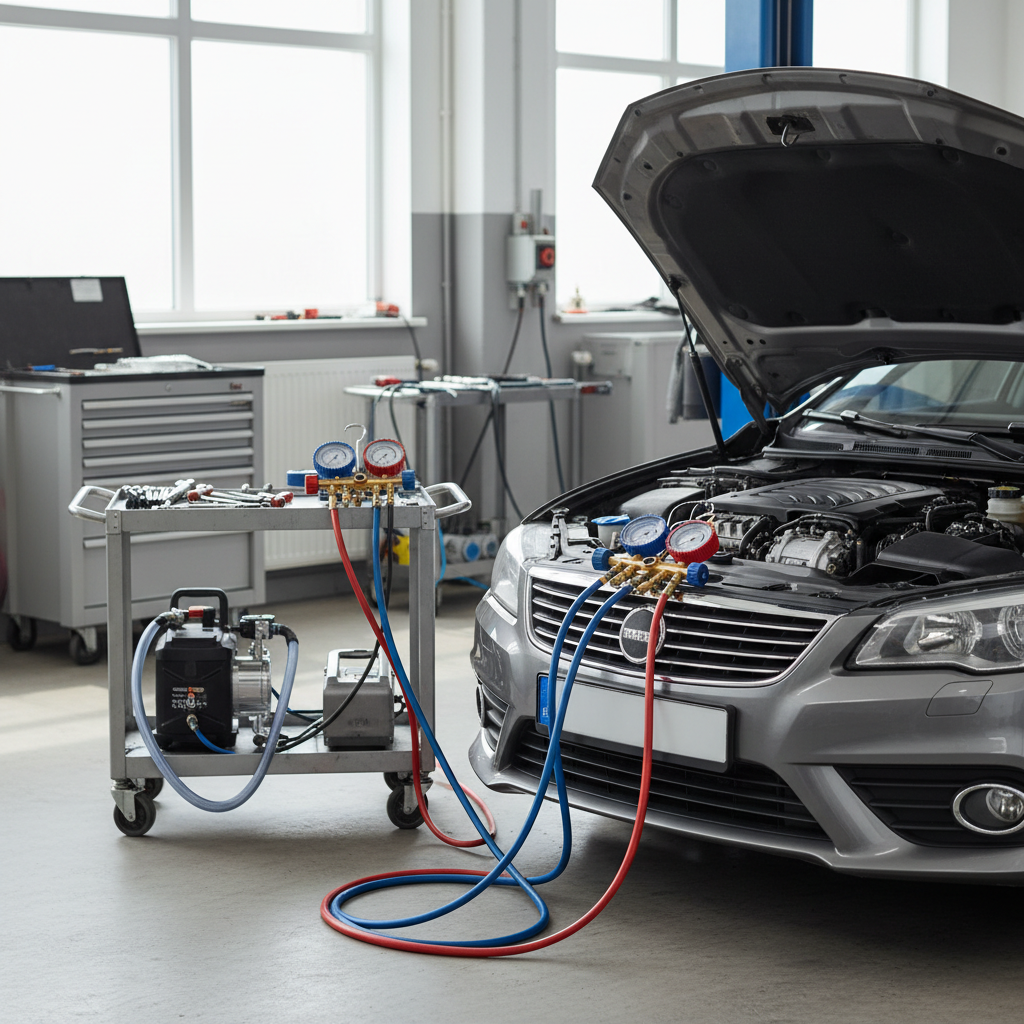
You can do meaningful troubleshooting at home, but A/C systems cross into “special tools + environmental rules” quickly. According to EPA, refrigerant handling typically requires proper recovery equipment and certification, and venting refrigerant is prohibited. So for many owners, the smart DIY line is diagnosis and basic belt-drive work.
- DIY-friendly (often): belt replacement, tensioner/idler replacement, tightening accessible brackets, cleaning condenser face, visual inspection.
- Usually shop territory: refrigerant recovery/evacuation, leak detection with dye/nitrogen, compressor replacement, system flush, charge-by-weight.
- Borderline: compressor clutch replacement can be DIY on some vehicles, but access is often tight and special pullers may be needed.
If your goal is to fix noise without “guess-and-buy,” paying for a proper diagnosis can be cheaper than one wrong compressor.
Common mistakes that keep the noise coming back
- Replacing the compressor when the belt drive is the problem: a chirp under load is frequently belt/tension related.
- Ignoring condenser fans: high head pressure from poor airflow can make the system loud and hard on parts.
- Skipping contamination precautions: if a compressor fails internally, not addressing debris can take out the next compressor.
- Using sealers as a “fix”: stop-leak products can clog equipment and components; many shops avoid systems that have them.
- Charging by pressure alone: correct charge is typically by weight per under-hood label, and conditions matter.
If you’re chasing how to fix car ac compressor noise and the sound changes week to week, that inconsistency is often a clue: intermittent belt slip, cycling behavior, or vibration rather than a single hard failure.
When to stop driving (or at least stop using A/C) and get help
Some noises are annoying but not urgent, others are a “turn it off now” situation. If any of the following show up, it’s safer to stop running the A/C and consider professional inspection.
- Burning smell, smoke, or visible belt shredding
- Grinding that rapidly worsens or a pulley that looks like it’s wobbling
- A/C clutch slipping with heat discoloration (blue/purple tint) or obvious chatter
- Cooling drops suddenly with loud noise, especially after a recent “top off”
- Engine overheating that might relate to condenser fan issues on some vehicles
A reputable shop can confirm whether the pulley bearing is failing, whether the compressor is making metal, and whether the system pressures suggest a charge or airflow problem.
Key takeaways (save this before you pop the hood)
- Match the noise to the moment: A/C on vs off is the fastest way to narrow suspects.
- Belt drive issues are common: squeal often points to belt/tensioner, not the compressor itself.
- Grinding is higher risk: consider stopping A/C use to avoid system contamination.
- Refrigerant work isn’t casual DIY: proper recovery and charge-by-weight matter.
Most people fix this faster when they treat it like diagnosis, not a parts lottery. If you’re unsure, get a professional opinion before you buy a compressor that your car didn’t need.
FAQ
Why does my car make a squealing noise only when I turn the A/C on?
That pattern often points to belt slip under added load, or a weak tensioner that can’t maintain grip when the compressor engages. It can also be clutch drag, but checking belt condition and tensioner behavior is usually the quickest first step.
Can low refrigerant cause car A/C compressor noise?
Yes, in many cases low charge leads to rapid clutch cycling and clicking, plus unstable operation that sounds rough. The catch is that confirming charge accurately typically requires proper gauges and correct procedures, so it’s often a shop check rather than guesswork.
Is it safe to drive with a noisy A/C compressor?
It depends on the noise. Mild rattles from a loose bracket might be low risk, but grinding, burning smells, or visible pulley wobble can become a breakdown. If you can’t identify it quickly, turning the A/C off is a reasonable precaution while you arrange inspection.
How do I tell if it’s the A/C compressor clutch or the compressor itself?
If the sound exists with A/C off, the pulley bearing is a strong suspect because it spins all the time on many systems. If the noise appears mainly when the clutch engages and cooling is also inconsistent, internal compressor wear becomes more likely, and a shop diagnosis helps avoid replacing the wrong part.
Will replacing the serpentine belt fix compressor noise?
Sometimes, especially if the belt is glazed, cracked, or contaminated. But if a weak tensioner or misaligned pulley caused the belt to slip, a new belt alone may squeal again pretty quickly.
What repairs are commonly done with a failed compressor?
Many shops recommend more than just the compressor, depending on failure type: receiver-drier/accumulator, expansion valve or orifice tube, and a flush if contamination is suspected. The exact list varies by vehicle and what the old compressor did when it failed.
Can I use stop-leak to quiet a noisy compressor?
It might mask symptoms briefly, but sealers can create bigger problems by clogging components and service equipment. If noise is the main issue, it’s usually better to diagnose the mechanical cause rather than add chemicals.
If you’re trying to solve compressor noise but you want a clearer answer before spending on parts, a quick inspection focused on belt drive, clutch behavior, and system pressures can save time, and it’s often the difference between a targeted fix and a frustrating repeat repair.