
How to clean car wheels rims alloy comes down to two things: using the right chemistry for brake dust, and using tools that won’t scratch or dull the finish. If you’ve ever “washed the car” and the wheels still look brown or cloudy, you’re not alone—wheels collect the harshest grime on the vehicle.
The payoff is bigger than looks. Clean rims make tire shine look better, help you spot damage earlier, and can reduce long-term staining from baked-on brake dust. The catch is that alloy wheels can be surprisingly easy to damage if you use the wrong brush, the wrong cleaner, or scrub when the wheel is hot.
This guide walks you through a realistic at-home process, how to pick a wheel cleaner based on your situation, and what to avoid so you don’t turn a quick detail into a permanent haze.
What makes alloy wheels hard to clean (and easy to mess up)
Most modern “alloy” wheels are aluminum-based, usually coated with clear coat or paint. That coating is what you’re cleaning and protecting—once it etches or scratches, the shine becomes much harder to recover.
In real garages, these are the usual culprits:
- Brake dust: tiny hot metal particles that stick and oxidize, often turning the rim brown or speckled.
- Road film and salt: oily grime that “mutes” gloss, especially in wet or winter states.
- Hard water spots: minerals left behind after rinsing, more noticeable on dark wheels.
- Old dressings: sling from tire shine can bake on the rim lip and look like a dirty halo.
Also, wheel finishes vary. A cleaner that’s fine on a glossy clear-coated rim may be too aggressive for raw/polished metal, and matte finishes often punish you for using the wrong protectant.
Quick self-check: what kind of grime and finish are you dealing with?
Before you spray anything, take 60 seconds and classify the problem. It saves time and prevents “stronger and stronger” mistakes.
Finish checklist
- Glossy painted/clear-coated: most OEM wheels; generally the most forgiving.
- Matte/satin: shows streaking easily; avoid glossy waxes that can look patchy.
- Polished lip: sometimes has a clear coat, sometimes not—if in doubt, treat as delicate.
- Chrome or PVD: often fine with pH-balanced products, but harsh acids can stain.
Grime level checklist
- Light: gray film, wipes off easily, no speckling.
- Medium: visible brown brake dust, especially near barrels and behind spokes.
- Heavy/baked: rough specks you can feel, dark staining that doesn’t lift after a normal wash.
If you can’t tell what finish you have, play it safe: start with the mildest wheel soap approach, then step up only if needed.
Tools and products that actually matter (and what to skip)
You don’t need a wall of bottles, but you do need a few basics. If your current setup is “one sponge for everything,” that’s where swirls and embedded grit usually start.
- Dedicated wheel bucket + grit guard (separate from paint bucket).
- pH-balanced wheel cleaner for routine washes; safer across finishes.
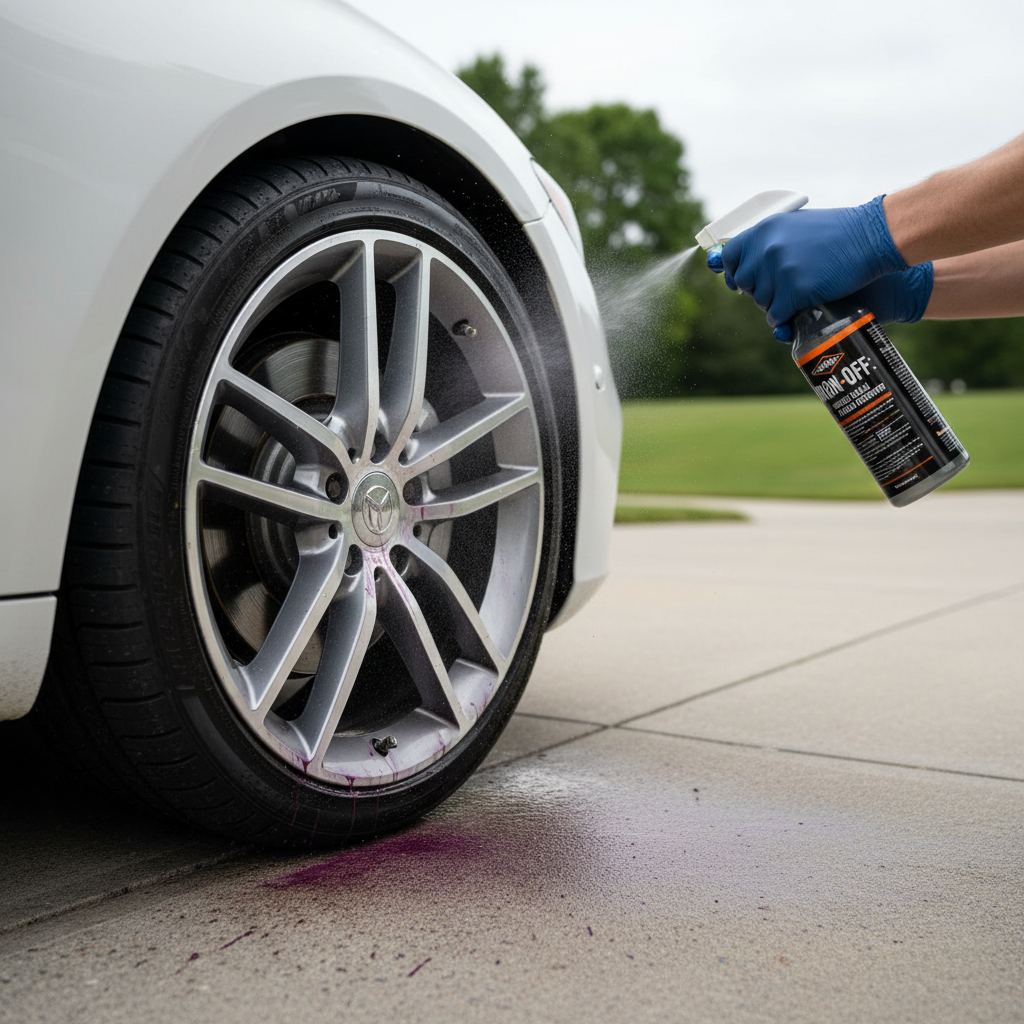
- Iron remover (optional) for stubborn brake dust; often smells strong but works well.
- Soft wheel face brush or microfiber wheel mitt for spokes and faces.
- Barrel brush for the inner rim; choose soft bristles or microfiber.
- Small detailing brush for lug nuts, valve stems, and tight corners.
- Microfiber drying towels to prevent water spots.
What to skip most of the time:
- Household degreasers that can strip protection or stain sensitive finishes.
- Steel wool / abrasive pads that can haze clear coat fast.
- Very acidic “instant” wheel acids unless you know your finish and you’re comfortable using them.
According to the U.S. Environmental Protection Agency (EPA), you should follow the label directions for cleaning chemicals and avoid letting them run into storm drains; many areas treat wash water as runoff that should be managed responsibly.
Step-by-step: the safest way to clean alloy rims at home
This is the process that fits most weekly or biweekly washes. The key is keeping the wheel cool and not letting products dry on the surface.
1) Work on cool wheels, in shade if possible
If you just drove, wait. Hot wheels can flash-dry cleaner, increasing spotting risk and sometimes staining. If the wheel feels warm to the touch, give it more time.
2) Rinse first, longer than you think
Flush the face, then aim through the spokes to rinse the barrel. This removes loose grit so you’re not grinding it into the clear coat.
3) Spray wheel cleaner and let it dwell briefly
Apply a pH-balanced wheel cleaner. Let it sit per label directions, usually a short dwell. Don’t let it dry. If the wheel is heavily contaminated, you can switch to an iron remover after you test a small area.
4) Agitate gently: face first, then barrel, then details
- Use a soft brush or mitt on the wheel face and spokes.
- Use a barrel brush for the inner rim.
- Use a small detailing brush for lug recesses and around the valve stem.
Keep dunking and rinsing the tools in your wheel bucket, grit stays off the rim that way.
5) Rinse thoroughly, then dry immediately
A full rinse matters more than people expect. Residue can dull shine. Dry with microfiber, especially around lug holes and spoke bases where water hides.
When brake dust won’t budge: a realistic escalation plan
If you’re learning how to clean car wheels rims alloy because you’re facing “permanent” brown spots, you’re usually dealing with embedded iron particles or etching. Don’t jump to aggressive methods right away.
Escalation table (pick the mildest that works)
| Problem you see | Likely cause | What to try | What to avoid |
|---|---|---|---|
| Brown film that returns quickly | Brake dust + road film | pH-balanced wheel cleaner + gentle brushing | Over-scrubbing dry areas |
| Rust-colored specks | Embedded iron | Iron remover, short dwell, rinse well | Letting it dry on the wheel |
| Rough texture even after cleaning | Bonded contamination | Clay towel/bar with lubricant (careful on delicate finishes) | Clay without plenty of lube |
| Dull spots or “watermark” rings | Etching or minerals | Water spot remover made for wheels; test spot first | Random acids without finish knowledge |
| Cloudy haze that won’t clean off | Clear coat damage | Light polishing or professional refinishing consult | Abrasive pads that worsen haze |
For iron removers and water-spot products, ventilation helps and gloves are smart. If you have any respiratory sensitivity, consider a mask and follow the label; in uncertain cases, asking a detailing pro is usually cheaper than correcting damage.
How to make alloy wheels “shine” after cleaning (without making them greasy)
Cleaning gets you to “not dirty.” Shine comes from two things: a fully clean surface, and a thin protective layer that adds clarity and makes future washes easier.
Pick a protection style that matches your use
- Spray sealant: fast, good gloss, easy maintenance; reapply every few washes.
- Wheel wax: can look great, but takes longer and may not suit matte finishes.
- Ceramic coating (consumer): longer-lasting, but prep must be clean and dry, and application takes patience.
Apply protection to a cool, dry wheel, then buff lightly with microfiber. Too much product often looks worse than too little, especially on dark wheels where smears show.
Key points that keep wheels looking “fresh”
- Dry every time, water spots kill gloss more than most people realize.
- Clean barrels occasionally, the face won’t look truly bright if the inner rim stays brown.
- Use a separate wheel towel, brake dust transfers and scratches paint.
Mistakes that cause scratches, haze, and staining
Most wheel damage comes from rushing. A few small habits make a big difference.
- Cleaning in direct sun: products dry fast, leaving streaks and possible staining.
- Using one brush for everything: grit from the barrel ends up on the face.
- “Stronger chemical = better” thinking: many alloys only need better dwell and agitation, not harsher acid.
- Ignoring the tire sidewall: a dirty tire makes a clean rim look dull; clean tires first or at least rinse well.
- Skipping protection: unprotected wheels grab brake dust faster, so every wash gets harder.
According to OSHA, reviewing Safety Data Sheets (SDS) for chemicals and using appropriate personal protective equipment can reduce exposure risks; if a product recommends gloves or eye protection, treat that as non-optional.
Practical maintenance routine (so you don’t fight baked-on dust again)
If you want the “just detailed” look without spending your Saturday on wheels, frequency matters more than intensity.
- Weekly/biweekly: rinse, pH-balanced wheel cleaner, gentle agitation, dry.
- Monthly: deeper barrel cleaning, lug area detail brush, top up sealant.
- Seasonally or as needed: iron remover treatment, spot-treat water spots, consider decontamination.
If you drive in winter conditions or near construction zones, plan on more frequent rinsing. In many cases, that alone prevents heavy buildup.
Conclusion: clean wheels, fewer headaches later
If you remember one thing about how to clean car wheels rims alloy, make it this: keep the wheel cool, start mild, and don’t let chemicals dry. That’s the difference between a crisp shine and a cloudy finish that never looks right again.
Action-wise, pick a dedicated wheel cleaner and a soft barrel brush, then add a simple spray sealant after drying. The next wash becomes noticeably easier, and your rims stay bright without drama.
FAQ
How often should I clean alloy wheels?
For most daily drivers, every 1–2 weeks keeps brake dust from bonding. If you wait months, you usually end up needing stronger chemicals or more agitation, which increases risk of marring.
Is dish soap safe for alloy rims?
In a pinch it can remove grime, but it may strip wax or sealant and leave the surface unprotected. A dedicated pH-balanced wheel cleaner is typically a better long-term choice.
Do “color-changing” wheel cleaners damage the finish?
Many are formulated to be safe on clear-coated wheels when used correctly, but they can be harsh if allowed to dry or used on sensitive finishes. Test a small area and follow label dwell times.
What’s the safest brush for the wheel barrel?
A soft microfiber barrel brush or a flagged-tip soft bristle brush tends to be safer than stiff bristles. If your barrel has sharp edges or tight clearances, microfiber reduces the chance of scratching.
Why do my rims look cloudy after cleaning?
Cloudiness is often leftover residue, hard water spotting, or existing clear coat damage that cleaning reveals. Try a more thorough rinse and a careful dry first; if haze remains, you may need polishing or a pro evaluation.
Can I use tire shine on rims to make them glossy?
It’s tempting, but many tire dressings sling and attract dirt, and some can stain porous finishes. If you want gloss, use a wheel-safe sealant or wax instead.
How do I remove water spots from alloy wheels?
Start with a proper wash and dry. If spots remain, a wheel-safe water spot remover can help, but test first and avoid aggressive acids unless you’re confident the finish can handle it.
If you’re trying to keep wheels clean between washes or you’re dealing with stubborn brake dust that keeps coming back, a simple kit with a pH-balanced cleaner, an iron remover for occasional resets, and a quick spray sealant can be the more “set-and-forget” route without going overboard.